
Tag: special needs attorney

  • Can You Rely on Legal Insurance for Your Special Needs Estate Plan?

    Can You Rely on Legal Insurance for Your Special Needs Estate Plan?

    As the need for affordable legal services becomes even more important in today’s world, it’s common to opt for group legal insurance offered through your workplace benefits. These group insurance plans provide free legal assistance for a variety of needs from law firms that have contracted with the insurance company to perform the legal work.

    While group legal insurance might seem like an easy option to save on your family’s legal needs, it’s likely inadequate for addressing the specific and often complex legal planning needed to protect your loved one with special needs.

    Here are the reasons why special needs planning demands a highly tailored approach and expertise beyond the scope of your group legal insurance coverage. I’ll explore the potential pitfalls of using group legal insurance for special needs planning and share suitable alternatives to ensure your loved one with special needs is protected and cared for over their entire lives.

    One Size Doesn’t Fit All

    When it comes to special needs planning, there is no such thing as a one-size-fits-all solution. Each person with special needs has unique care requirements, abilities, and aspirations. The financial, medical, and emotional needs of your loved one must be taken into account to craft a comprehensive plan that will serve their needs and foster a meaningful life for them after you’re gone. 

    Your group legal insurance plan may offer general legal services and even estate planning services, but a general set of estate planning documents isn’t enough for an individual with special needs.

    To create a plan that’s right for your loved one, it must:

    01 | Be customized for their abilities, as well as their financial and medical needs, 

    02 | Properly incentivize the care you want them to receive throughout their life, after you’re gone, and

    03 | Follow state and federal laws in order to keep your loved one eligible for public benefits like Social Security and Medi-Cal.

    The type of cookie-cutter estate plan you’re likely to receive through your group legal insurance plan simply won’t include the kind of customizations necessary to deliver a plan that will serve your loved one in the way you would want while preserving their public benefits.

    Understanding the Laws and Regulations

    Navigating the legal landscape of special needs planning for the one you love can be like walking through a maze. The laws and regulations that govern special needs planning are complex and change frequently, and involve an understanding of federal and state law.

    There are countless legal tools available to support your loved one’s future, from government benefits like Social Security and Medi-Cal to special needs trusts and in-home support services. It can be difficult to know which programs your loved one qualifies for, which program will achieve your desired outcome, and how to apply for each program without proper training.

    To navigate these complexities and create a truly effective special needs plan for your loved one, your attorney not only needs to be an expert in this area of law, but they also need to ask the right questions to understand your personal needs, goals, and family dynamics in order to recommend the tools most appropriate for your situation.

    Unfortunately, the in-network attorneys contracted under group legal insurance plans rarely have the training or expertise necessary to handle special needs planning cases. Even if the legal insurance plan lawyer does have the training, the legal insurance plan fees wouldn’t cover the custom planning needed to care for your loved one.

    You Need a Holistic Planning Approach

    Caring for a loved one with special needs extends beyond legal matters. It involves addressing emotional, financial, and medical aspects with equal importance. I take a holistic approach to serving you by working closely with you and your family to understand your family’s values, dreams, and aspirations you have for your loved one and your family as a whole. This allows me to create a truly personalized plan that takes into account every aspect of your family’s well-being.

    What’s more, the needs of your loved one with a disability and your own financial and medical needs will change over time. That’s why it’s crucial to coordinate your estate plan and their benefit eligibility so that both you and your loved one will be cared for if you die or become incapacitated during your loved one’s life.

    To do this, I look at how your needs and the needs of your loved one intersect and can provide you with personalized guidance at any stage in life’s journey, such as when it’s time to appoint someone else to assist you in caring for your loved one and making plans to increase your loved one’s independence while keeping their eligibility for public assistance.

    Special needs planning requires a continuum of proactive and interconnected planning to ensure your loved one and your entire family always have the best care while preserving your family’s wealth, legacy, and lifestyle as much as possible.

    Legal Insurance Plans Lack Long-Term Considerations

    Special needs planning is a journey that spans a lifetime. As your loved one grows and their needs evolve, your planning must adapt accordingly. Relying solely on group legal insurance won’t provide the ongoing support and guidance needed to address changing circumstances over the years. 

    Under group legal insurance, your choice of attorneys is limited to the firms that have contracts with the insurance company, and there’s no guarantee that the attorney you worked with this year will be available to help with changes in your loved one’s care several years from now. 

    Your child with special needs will grow into an adult. That means you’ll lose your ability to make decisions for them unless you update your estate plan to nominate a permanent guardian or power of attorney for them. We can help with that.

    Your loved one with special needs may inherit assets from a well-meaning relative. This is a wonderful gift, but an increase in your loved one’s assets may cause a lapse or loss of government benefits unless quick action is taken by your special needs planning attorney. We will help you look at all of these considerations as part of our planning with you.

    Without a personal attorney-client relationship, the window to achieve time-sensitive changes to your plan may close before you even get started with a new in-network attorney. Instead, you want to work with an attorney who knows your family’s story and can pick up right where you left off, allowing them to quickly and effectively address any needed changes to your plan.

    Trusted Expertise in Special Needs Planning

    Special needs planning is essential to secure a comfortable and enriching future for your loved one with special needs. Creating a special needs plan can be incredibly stressful for caregivers, and requires in-depth knowledge and expertise in both the law and state and federal disability programs.

    While group legal insurance may seem like the ultimate way to protect your loved one’s future legal needs and your family’s wallet, sadly, the services available through these group insurance plans simply aren’t comprehensive enough to provide special needs plans that will work for your family for the long term.

    Instead, it’s crucial to work with an experienced special needs planning attorney who gets to know your family on a personal level and can guide you every step of the way.

    Your family’s special needs journey deserves personalized attention, compassionate understanding, and unwavering dedication. That’s why I have dedicated my practice to mastering the intricacies of special needs planning, allowing me to guide you skillfully through the process. 

    If you want to make sure your loved one with special needs is always cared for no matter what the future holds, schedule a phone call with me. Together we can create a comprehensive special needs plan that honors your family’s unique story and ensures your loved one’s life is filled with love, support, and abundance.

    This article is a service of Jeannette Marsala, Personal Family Lawyer. We don’t just draft documents; we ensure you make informed and empowered decisions about life and death, for yourself and the people you love. That’s why we offer a Life & Legacy Planning Session, during which you’ll get more financially organized than you’ve ever been before and make all the best choices for the people you love. You can begin by calling our office today to schedule a Life and Legacy Planning Session and mention this article to find out how to get this $750 session at no charge.
  • Rhinestones and Tears – A Call to Disability Advocacy

    Rhinestones and Tears – A Call to Disability Advocacy

    Guest columnist, lawyer with special needs focus, Shauna Collins

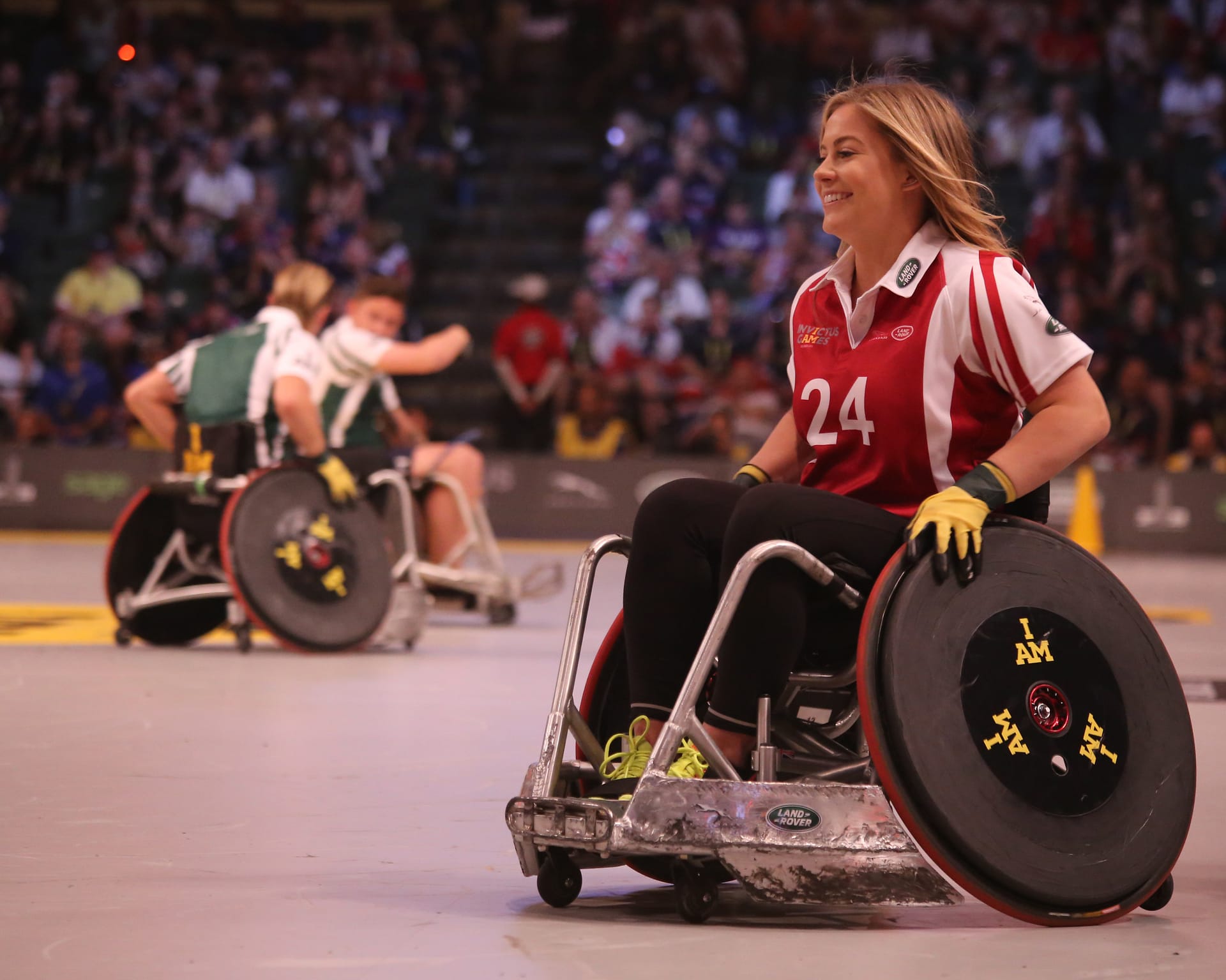
    Have you ever attended the Special Olympics, a disability resource fair, or maybe a softball game and been surprised to find yourself in tears?  I don’t mean when someone gets injured or suffers a disappointing finish – those tears are easily explained. The origin is a little less clear for the tears I’m talking about.

    I once attended a soccer match in which my niece was a star player, in her element and having a stellar game. Her mom was cheering her on wildly as always, but I was blubbering like a baby. I was perplexed but could neither stop nor pinpoint the source of the tears.

    I had a similar moment years ago when Dolly Parton passed by in her annual parade opening Dollywood for the season. Back then, I was mortified by my tearful response, and words fail to describe my husband’s alarm at my tear-filled reaction. He hadn’t always shared my conviction that “doing my work” in therapy was the best investment of family resources, but all comments on therapy bills ceased immediately. 

    Well, the tears poured again recently at a special needs softball game and yet again during a noisy lunch at Disability Day on the Hill in Nashville. 

    At the game, teams of players, diverse in abilities and skills, alternated cheers and groans. They exulted with hands in the air and expressed disappointment by shaking heads and stomping their feet. And as usual, our team geared up their trash-talking. They loudly announced plans to outdo each other, “show ‘em who’s boss,” “knock it out of the park,” and finally, “get ‘em next time.” Here my tears crept up again.

    My years of therapy have not been in vain, though. Well past any embarrassment at emotion taking me by surprise, I was able to get curious. Why did those same unstoppable tears come up when our team started egging on the opposition? Why did it feel just like seeing Dolly pass by that spring day long ago, rhinestones sparkling in the sun? What could these events possibly have in common? 

    Luckily, I had nine innings to ponder these questions, and here’s what I figured out:  

    The team felt they belonged. They belonged on this field, and they belonged to each other. They belonged to the Sertoma Center, a nonprofit providing services for adults with intellectual and developmental disabilities, and the Sertoma Center and its team belonged to them. They belonged to the wider community that is the Knoxville Parks and Recreation Dynamic Softball League, and that wider community – maybe the whole city – belonged to them. 

    And the staff and parents watching – we belonged to them too. And the gift of belonging to them was a big part of what I was born to be. Serving them and their community is a vital part of what I was born to do. Just like my niece on that soccer pitch – talented, trained, hard-working, determined – doing what she was born to do and doing it with all her heart. 

    Something similar stirred my tears at Disability Day on the Hill. We were focused on two things: increasing pay for direct service providers (“DSPs”) and defeating a bill that would have allowed harsh physical restraints by lightly trained staff on students with special needs. Low DSP pay has meant continual staff shortages and curtailed services. The proposed restraints were not only prohibited on neurotypical students but also refused as ineffective by the most highly trained crisis intervention specialists.

    While advocating for these changes, some lawmakers kept us waiting for scheduled appointments – and it’s no small matter to throw my son with autism off his schedule. Some politicians had not fully committed to our requests, but they had all ultimately listened and engaged with our son – always respectfully, but often even joyfully!

    We ultimately got what we asked for on both counts, but we didn’t know that when scores of people impacted by disabilities gathered for lunch that day. Challenges abounded, and the chaos and fear levels were as high as the noise. 

    No matter our political perspective, we all feel some brokenness in our society, and the stakes are even higher for people with disabilities and the families who love them. 

    But the lump in my throat that day wasn’t from a fear of the outcome or the dry turkey sandwich in our boxed lunches. We were together with our people, doing what we were meant to be doing, and doing it with all our hearts. Just like Dolly – fully and majestically herself, doing what she was born to do and doing it with all her heart, dang near all the dang time. 

    When a stringy-haired little girl from the Smoky Mountains started singing at church, no doubt many were impressed. Perhaps she only glimpsed all that was to come as she poured her gifts out into the world, but that glimmer was enough, joined with her absolute resolve, to see her potential realized. 

    I’ve come to embrace those moments when my tears arise at some sacred glimpse into human potential. Just like Dolly, we have the potential to become people and a society at our best, doing what we were meant to be doing – listening to each other, learning, and figuring it out together. 

    The disability community knows perhaps better than any other how to celebrate the individual while also valuing collective efforts. Given the skin we have in the game, it wouldn’t surprise me one bit for our community to lead the way – rhinestones, tears, and all!

    As a firm with a special needs focus, we don’t just focus on a special needs plan for our clients – as crucial as that is. We recognize the gifts that individuals with special needs provide to their families and their communities, and we embrace our shared responsibility to empower those individuals to live their best lives. Sharing that responsibility with our clients is an honor that we don’t take lightly. Sharing it with our society through disability advocacy is yet more sacred ground. 

    Take the Next Steps in Your Journey Today 

    We invite you to join us today in seeing our potential realized – as both individuals and as a society – in the ways best suited to your needs and gifts at this time. 

    First, if you love someone with a disability (including yourself) and want to ensure your family’s resources and legal planning are aligned to support that individual in realizing his or her potential, please schedule a complimentary call to learn about our heart-centered special needs planning process. We will gladly put our legal skills and knowledge to work in support of your own commitment and resolve to achieve your family’s goals. 

    If you’re ready to start your advocacy journey, support the Home and Community-Based Services (HCBS) Relief Act of 2023. The bill extends funding to address the DSP workforce crisis and move 650,000 people nationwide off waitlists and into services. Providing this support for employment, community integration, and care for disabled individuals is among the most meaningful choices we make as a society.

    And stay tuned right here, to our blog, for even more advocacy opportunities. We look forward to seeing you out there – and just in case, we’ll bring the Kleenex!

    This article is a service of Jeannette Marsala, Personal Family Lawyer. We don’t just draft documents; we ensure you make informed and empowered decisions about life and death, for yourself and the people you love. That’s why we offer a Life & Legacy Planning Session, during which you’ll get more financially organized than you’ve ever been before and make all the best choices for the people you love. You can begin by calling our office today to schedule a Life and Legacy Planning Session and mention this article to find out how to get this $750 session at no charge.
  • How Asking for Help Holds The Key to a Strong Caregiver Team

    How Asking for Help Holds The Key to a Strong Caregiver Team

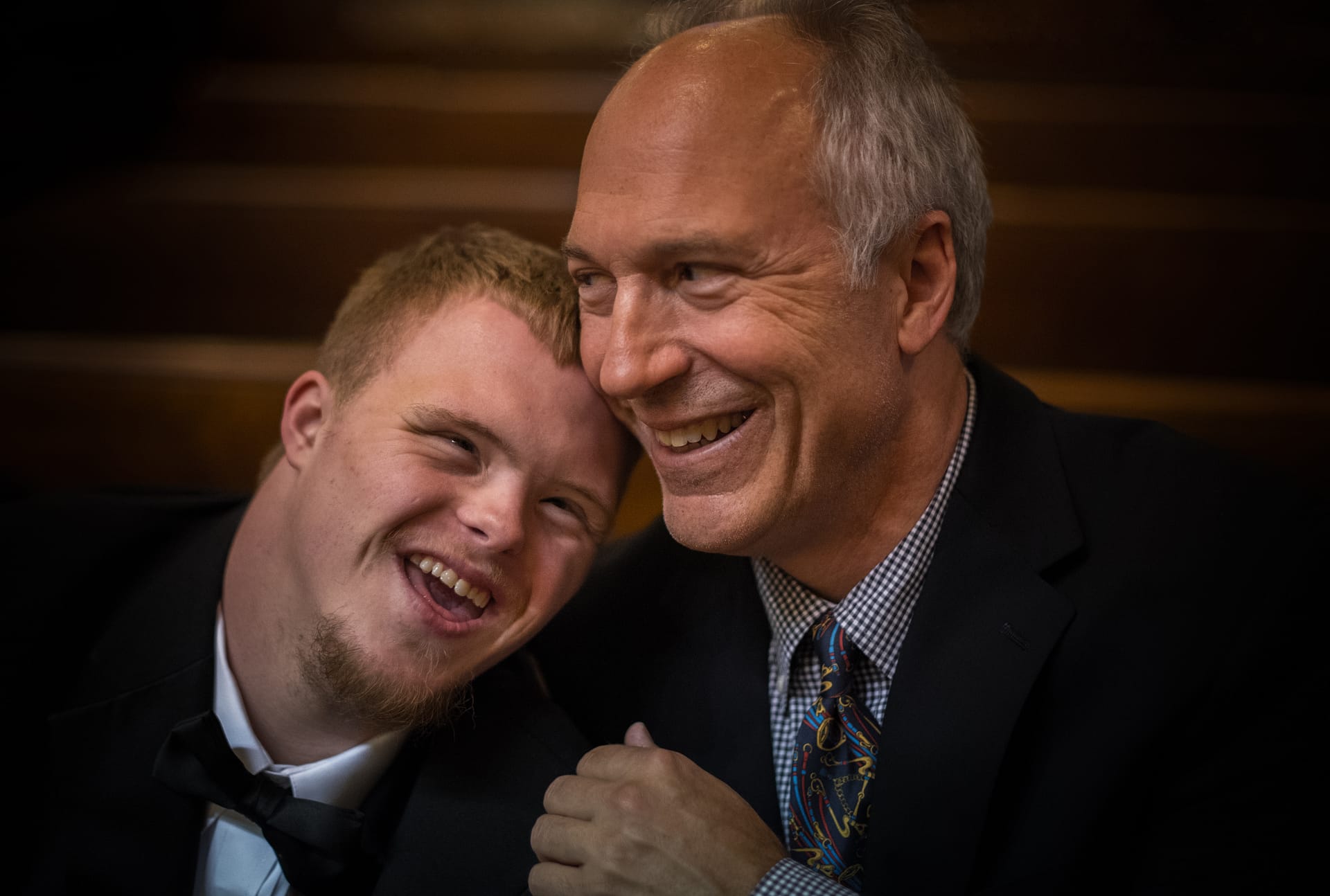
    Chances are you’ve been caring for your child with special needs for so long, that it can be hard to seek help because 1) you don’t have time to find and train someone, and 2) you feel that no one else is going to care for your child as much or as well as you do. Yet asking for help not only gives you much-needed support, but it also ensures your child will have time to get accustomed to being cared for by others if and when you’re no longer around to personally provide that care.

    As important as those reasons are, they’re still not the most important reason to ask for help. The most important reason to ask for help is to begin training your child’s future primary caregiver. 

    As the primary caregiver for your child with special needs, you’ve likely been through some trials, and with them, you’ve identified your child’s support needs and connected with resources to help you find that support.  

    But what you may not have thought of is making sure that your successor caregivers and child with special needs are also connected to your support network and ready for the eventual transition in caregivers when you can no longer act as the primary caregiver of your child.

    Who Steps In When You Can’t Be There?

    Imagine that you’re suddenly no longer able to care for your child with special needs due to your own disability or death. You probably have a successor primary caregiver in mind – perhaps your child’s sibling, aunt, uncle, cousin, or close family friend. You may have even named a backup conservator or guardian, or your loved one with special needs may have named a successor caregiver in a power of attorney. 

    Now, imagine that you haven’t practiced asking for help during your healthy years. After all, once you develop a routine of providing support to a person with special needs, it can take more effort to train someone else to assist you. 

    But unfortunately, this makes it easy to fall into the admirable, but ultimately harmful, habit of self-reliance. It feels good in the short term to be the only person who knows how to care for your loved one just right, but this doesn’t serve them well long-term. Most individuals with special needs struggle with change, so the more gradual a transition in caregiving can be, the smoother the process will be for everyone.

    Holding the bulk of the responsibility for your loved one’s care can also cause burnout and increase the likelihood your successor will be overwhelmed with tasks that have become routine for you. Plus, since this successor is likely someone close to you, chances are that they will either be in the grieving process after your death or, if you’ve developed a disability yourself, in a dual caregiver role of caring for both you and your loved one with special needs. 

    At best, the successor caregiver can be under immense stress that negatively impacts family relationships and careers. At worst, your loved one with special needs could unnecessarily end up in institutional or agency care when they would be better served at home.

    Experience for Your Care Team, Respite for You

    Asking for help caring for your loved one with special needs doesn’t just provide a much-needed break for you. It also provides your successor caregivers with experience in the greater caregiving roles they’ll play in the future. 

    If you’ve set a clear example of asking for the help you need, at least one person will gain some experience dealing with Social Security and Medi-Cal agencies, and someone will have assisted with insurance companies and healthcare providers. By having a successor caregiver at least observe your caregiving activities once or twice a year, they will know exactly where the necessary contact information and legal documents are located to enable this critical work. 

    Beyond these essential basics, getting your support team acquainted with your loved one’s routine early on will provide your loved one with a greater quality of life even in your absence. During this time, they will benefit from continuity in their daily activities while becoming more familiar with their other caregivers. 

    In addition, by routinely gathering input from your support team in your decision-making processes, you will model a process for future caregivers on how to receive input and make decisions for your loved one – or support your loved one with special needs in making those decisions for themselves.

    Supporting You and Your Network at Every Stage

    As you model asking for bits of help now from the people you trust, you’re setting the example of self-care for future caregivers and giving them experience caring for your loved one now. By doing this, you’ll also find the weak spots in your support team where more training or familiarity with your loved one’s care routine may be needed. This translates directly into better health and quality of life for your loved one with special needs.

    We can help you identify the support roles that you and your loved one need, and the best persons or agencies to fill each role. We’ll also ensure you have at least one backup person for each role and can help you design a plan for how these support roles work together for your loved one’s benefit. We’ll guide you from the beginning to implement a plan now, train your support team for the future, and give you some well-deserved breaks in the meantime.

    Contact our office to learn more about how we can guide you in asking for help and setting a positive example for your support team. We look forward to putting our experience – and the experience of our mentors and other clients – to work for your family, especially your loved ones with special needs and their caregivers, both now and in the future.  

    This article is a service of Jeannette Marsala, Personal Family Lawyer. We don’t just draft documents; we ensure you make informed and empowered decisions about life and death, for yourself and the people you love. That’s why we offer a Life & Legacy Planning Session, during which you’ll get more financially organized than you’ve ever been before and make all the best choices for the people you love. You can begin by calling our office today to schedule a Life and Legacy Planning Session and mention this article to find out how to get this $750 session at no charge.

  • Does Your Child With Special Needs and Their Caregivers Have a Circle of Support?

    Does Your Child With Special Needs and Their Caregivers Have a Circle of Support?

    Every parent and every child needs a support network to help them achieve their goals and live their best lives, but for parents of children with special needs – no matter their age – the worries of who will take care of your child now and in the future take on heightened significance. Your child may need support for the rest of their life, even after you have become incapacitated or have died.

    As parents of a child with special needs, you also require your own level of support for your personal, physical, and emotional needs, as well as resources to help you make financial or educational decisions for yourself and your child. 

    To ensure your child with special needs is always cared for without interruption or delay, and to make sure you and future caregivers have the support you need to take care of yourself and your child, it’s important to establish a group of family members, friends, and professionals that I call your circle of support.

    Creating Your Circle of Support and Fiduciary Manual

    Whatever your child’s special needs may be, carefully creating and preparing a circle of support is an important component of holistic special needs planning. I can assist you with this process through our circle of support and fiduciary manual, and provide you with methods for selecting your future caregivers and fiduciaries–the people you’ve entrusted with using your assets to support your child in the event of your incapacity or death–and beginning to educate them on their role in your child’s life. 

    Your fiduciaries include your attorney-in-fact under a power of attorney, the trustee of your revocable living trust, and the trustee of your child’s special needs trust. Each of these legal instruments provides guidance to the fiduciary, but many important details of your child’s needs will change over time. 

    The manual is the place to record these details – and update them annually as needed. Details that you should record in your fiduciary manual include the names and contact information of your child’s doctors, tax preparer, counselor, and healthcare providers, to name a few.

    Of course, some adult children with special needs can handle many of these matters themselves, so some sections of your manual will provide guidance on trustworthy financial and tax advisors or an annual reminder of emergency and disaster procedures. 

    Sections on your hopes for their future education and employment will be meaningful to your child in certain seasons of life, and the steps you share of your own decision-making processes may remind them at a critical moment of the values you strived to uphold during your lifetime that you hope they will embody in theirs.

    Upon its completion, you’ll have a plan in place for everything from who handles disability redeterminations and driver’s license renewals to who changes the air filters in your child’s home, how often, and what type of filter to use. 

    The manual also serves as a guide for your fiduciaries on how you would like them to manage your assets and your child’s care at different stages of their life.

    Putting Your Circle of Support Into Action

    Your fiduciaries themselves may need support and input from a variety of sources as your child grows, and this is where the circle of support steps in. At least annually, it’s a good idea for trusted family members, friends, and professionals to come together and assess how well-supported the individual with special needs has been during the preceding year, what adjustments should be made, and what improvements could be gained in the coming year to help the individual thrive.

    I often suggest that parents start holding informal circle of support meetings every 1-3 years while they’re still alive and healthy. As parents, you can develop blind spots to your child’s needs, and meeting with your circle of support can bring these gaps to light. Far more likely, your own needs can easily be forgotten while caring for a child with special needs, and making sure you’re getting the care and support you need is equally important to your child’s ability to thrive.

    Who is caring for the caregiver (you!) right now, and who will look after the well-being of future caregivers and fiduciaries as they support your child? I can help you answer these questions and more so you can rest assured there’s a plan in place for your child’s care at every stage of their life.

    Completing Your Circle of Support With Your Lawyer for Life

    Being the parent and caregiver of a child with special needs is a rewarding experience that works best when you and your child have a network of support and a documented plan and team. 

    Whether your family elects supported decision-making or your child requires a conservatorship – and whether you’ve named family members or professional fiduciaries – I’m committed to helping you record your wishes and your fiduciaries’ information, store it securely in a location known by future fiduciaries, and pass it along the moment it’s needed.

    Any bit of data and wisdom that you have gleaned over your lifetime that you include in your fiduciary manual could be a crucial component that serves to craft your child’s future and helps them thrive. To learn how to receive a fillable .pdf or Word version of the manual to get started, or if you haven’t yet taken that first step to begin your family’s special needs planning journey, reach out to me at (650) 600-1735. 

    My goal is to ensure your child experiences continuous, consistent support throughout their lifetime in order to live their best life and I would be glad to share more about how we can work together to achieve that goal for your child and your family. Call me today at (650) 600-1735 to learn more. 

    This article is a service of Jeannette Marsala, Personal Family Lawyer. We don’t just draft documents; we ensure you make informed and empowered decisions about life and death, for yourself and the people you love. That’s why we offer a Family Wealth Planning Session, during which you’ll get more financially organized than you’ve ever been before and make all the best choices for the people you love. You can begin by calling our office today to schedule a Family Wealth Planning Session and mention this article to find out how to get this $750 session at no charge.

>