
Tag: san jose

  • Protecting Your Family’s Safety Net: How to Set Up Your Life Insurance Policy The Right Way

    Protecting Your Family’s Safety Net: How to Set Up Your Life Insurance Policy The Right Way

    A comprehensive Life & Legacy Plan is about creating a strategy that lets you enjoy your life to the fullest while protecting your loved ones’ future when you can no longer be there. It might seem like life insurance is an easy way to help secure your loved ones’ future – and it is – but your policy must be set up in the right way to have the best possible impact on your family.

    The way you set up your beneficiary designations on your insurance policy can significantly impact its effectiveness, how it’s used, and who controls it after you die. In this blog, we’ll explore how not to name beneficiaries on your life insurance and how to name beneficiaries to ensure your loved ones have the funds they need to thrive when something happens to you. 

    DO NOT Name a Minor As The Beneficiary of Your Life Insurance Policy  

    Naming your child or grandchild as a direct (or even backup) beneficiary of your life insurance policy may seem like a natural choice, but if you do that, you’re guaranteeing a bad outcome for the people you love.

    First of all, if a minor child is the beneficiary of a life insurance policy, it guarantees a court process called “guardianship” or “conservatorship” must occur to name a legal guardian or conservator to manage the assets for your minor beneficiary until they turn 18. Then, at 18, your minor child who is just barely an adult receives everything left in the account, outright, unprotected, with no oversight or guidance. This is the worst possible outcome for everyone involved. 

    If you’re buying life insurance, you’re doing it to make the lives of your loved ones better. We often say “insurance says I love you.” But naming a minor child as a beneficiary doesn’t say I love you; it says that you didn’t take the time to set your life insurance up the right way. You might think the answer is to name a trusted family member or friend as the beneficiary of your life insurance, hoping they’ll use the funds for your kids, but don’t do that! 

    If you name another adult as the beneficiary for a life insurance policy intended for your kids, your kids will have no legal right to the money – which means the adult you named as beneficiary can use the money however they want and don’t have to use it for your kids at all! 

    So what’s the solution? Keep reading to find out what to do instead.

    DO NOT Name Adult Beneficiaries Directly or They Risk Losing The Money Entirely

    Direct payouts to adult beneficiaries may seem straightforward, but can have unintended consequences. Life circumstances change, and the lump sum received from a life insurance policy might be at risk if not managed properly. By avoiding direct payouts, you can ensure that the financial security provided by the insurance is preserved for the long term.

    One key concern is the potential for beneficiaries to hastily misuse or exhaust the funds. A sudden windfall might lead to imprudent spending, leaving your loved ones without the financial support you intended. Additionally, if your beneficiaries aren’t financially savvy, they may struggle to manage a lump sum effectively, meaning the policy might lose money over time.

    Even if an adult beneficiary is financially responsible and savvy – or knows enough to speak to a financial advisor – life events can put the funds at risk. Because the life insurance proceeds now belong entirely to your beneficiaries in this case, the proceeds of the policy are now completely vulnerable to any future divorces or lawsuits that your beneficiary may go through in the future.

    That means that if your beneficiary is divorced, sued, or accumulates debt, all the money they received from your insurance policy could be lost.

    Plan For Your Life Insurance The Right Way: Use a Trust 

    A trust is an agreement you make with a person or an institution you choose. This person is called your trustee, and their directive is to manage the assets you put into or leave to your trust, according to the rules you create. 

    Instead of naming minors or adult loved ones as the direct beneficiaries of your life insurance, name your trust as the beneficiary of your policy instead. By doing this, your loved ones will still receive the funds you intend for them while maintaining control over how the funds are managed and distributed. This ensures that your wishes for your assets and your loved ones are carried out even after you’re gone. 

    How does it work?

    A well-drafted trust allows you to specify conditions for distributing the trust funds, ensuring that the funds are used for intended purposes such as your beneficiaries’ education, homeownership, or other specific needs. Distributions from the trust can also depend on the ages and circumstances of each beneficiary. This level of control can prevent the misuse of funds and promote responsible financial behavior for everyone involved. Plus, assets held in a trust bypass the probate process, ensuring a more efficient and timely distribution of funds to your beneficiaries. This can be crucial in providing immediate financial support to your loved ones when they need it the most. 

    While you can choose to have your trustee distribute life insurance proceeds directly to your beneficiaries outright at specific ages and stages, you may want to provide even more protection for your beneficiaries. One of the considerations we’ll help you make is whether to retain the assets in trust, giving your beneficiaries control over the trust assets, but in a manner that keeps the inherited life insurance protected from lawsuits, future divorces, and creditors.

    Let Us Set Up Your Entire Plan In The Best Way Possible

    Setting up your life insurance policy with the right beneficiaries involves careful consideration of your unique family dynamics, financial goals, and long-term objectives while being proactive to avoid future issues. By doing so, you maximize the benefits of your life insurance to provide a lasting legacy of financial security and support for your loved ones. 

    But planning for your life insurance is only one step in creating a plan for everything you own and everyone you love today and in the future. My mission is to guide you to create a comprehensive estate plan, which I call a Life & Legacy Plan, that ensures your wishes are fulfilled and your family’s future is protected no matter what the future holds.

    Schedule a complimentary call with my office to learn more.

    This article is a service of Jeannette Marsala, Personal Family Lawyer. We don’t just draft documents; we ensure you make informed and empowered decisions about life and death, for yourself and the people you love. That’s why we offer a Life & Legacy Planning Session, during which you’ll get more financially organized than you’ve ever been before and make all the best choices for the people you love. You can begin by calling our office today to schedule a Life and Legacy Planning Session and mention this article to find out how to get this $750 session at no charge.

  • This Change to The FAFSA Rules Could Help Your Grandkids Qualify for More Student Aid

    This Change to The FAFSA Rules Could Help Your Grandkids Qualify for More Student Aid

    Want to contribute to your grandchild’s future college education? The FAFSA Simplification Act, which went into effect last month, now makes it possible for grandparents to do even more to help finance their grandchild’s education.

    In the past, any contributions or distributions from a grandparent’s 529 college savings plan were subject to FAFSA reporting, potentially impacting the student beneficiary’s eligibility for federal financial aid. The new changes, however, bring a breath of fresh air. 

    In this blog, you’ll learn what has changed under the new rule and how grandparents can leverage it to support their grandchild’s educational pursuits.

    Understanding the 529 Account

    First things first – what exactly is a 529 college savings account? It’s a special savings account designed to help individuals, including grandparents, set aside money for future college expenses. Contributions aren’t federally tax-deductible, but the good news is that earnings within the account grow tax-free. When funds are withdrawn for qualified education expenses, they remain untaxed.

    What The New Rule Changes

    When the account owner is a dependent student or custodial parent, the total value of the 529 plan is reported as an investment asset on the Free Application for Federal Student Aid (FAFSA). Previously, if a grandparent owned the 529 plan, any distributions were considered untaxed income for the student, potentially affecting financial aid eligibility. The upcoming change eliminates this concern.

    In a nutshell, a 529 plan owned by a grandparent will no longer require reporting on the FAFSA. Even more impactful is that distributions from this grandparent-owned 529 plan will not be deemed as untaxed income for the student. This opens up opportunities for grandparents to contribute to their grandchild’s education without jeopardizing financial aid eligibility.

    Maximizing Grandparent Contributions

    It’s important to keep the following in mind when you make contributions to a 529 account for a grandchild:

    1 | Funds Must Be Used For Qualified Educational Expenses

    Grandparents can use 529 plan funds for a range of qualified educational expenses, including tuition, room and board, books, supplies, laptops, and internet access. However, certain expenses like insurance, student health fees, transportation, and extracurriculars aren’t covered and may incur a ten percent penalty if 529 plan funds are used toward these expenses.

    2 | The Annual Gift Exclusion

    While grandparents can contribute to their grandchild’s 529 plan, it’s essential to be mindful of the federal annual gift exclusion, which is the amount of money a person can gift to someone else without needing to file a gift tax return. The limit currently stands at $18,000 for an individual and $36,000 for those filing jointly with a spouse. A special rule allows gift givers to spread larger one-time gifts across five years to stay within their lifetime gift exclusion.

    3 | Reconsider Payments Made Directly to The School

    Distributions directly paid to the school from grandparent-owned 529 accounts won’t affect aid eligibility. However, for now, it’s recommended to pay the grandchild directly.

    4 | Timing Matters

    When withdrawing funds from the 529 plan, it’s crucial to do so within the same tax year as the educational expenses. This strategic move ensures smooth financial transactions and adherence to tax regulations.

    5 | Watch Your Withdrawal Limits

    The amount withdrawn from all 529 plans should be no more than the total cost of the qualified educational expenses billed by the school. Excess withdrawals may incur a 10 percent penalty, but there’s a 60-day window to rectify the situation without penalties.

    Helping You Plan For Your Family’s Future In The Most Loving Way Possible

    It’s a heartwarming prospect to be able to help shape a brighter future for the younger generation. By understanding the new FAFSA rule and strategically utilizing 529 plans, you can contribute meaningfully to your grandchild’s education without compromising financial aid opportunities. This makes a 529 account an even better investment tool that not only helps your grandchild afford their education but leaves behind a legacy of love and wisdom.

    At our firm, we believe this is what estate planning is all about – your Life & Legacy. That’s why we refer to estate planning as Life & Legacy Planning. It isn’t just about making a plan for what happens to your assets when you die – it’s about making meaningful, heart-centered decisions that provide peace, love, and guidance to the ones you love today and for years to come in the future.

    If you’re ready to create a plan that takes care of everything you own and everyone you love in the most loving way possible, give us a call to learn what a Life & Legacy Planning Session can do for you.

    This article is a service of Jeannette Marsala, Personal Family Lawyer. We don’t just draft documents; we ensure you make informed and empowered decisions about life and death, for yourself and the people you love. That’s why we offer a Life & Legacy Planning Session, during which you’ll get more financially organized than you’ve ever been before and make all the best choices for the people you love. You can begin by calling our office today to schedule a Life and Legacy Planning Session and mention this article to find out how to get this $750 session at no charge.

  • Can You Rely on Legal Insurance for Your Special Needs Estate Plan?

    Can You Rely on Legal Insurance for Your Special Needs Estate Plan?

    As the need for affordable legal services becomes even more important in today’s world, it’s common to opt for group legal insurance offered through your workplace benefits. These group insurance plans provide free legal assistance for a variety of needs from law firms that have contracted with the insurance company to perform the legal work.

    While group legal insurance might seem like an easy option to save on your family’s legal needs, it’s likely inadequate for addressing the specific and often complex legal planning needed to protect your loved one with special needs.

    Here are the reasons why special needs planning demands a highly tailored approach and expertise beyond the scope of your group legal insurance coverage. I’ll explore the potential pitfalls of using group legal insurance for special needs planning and share suitable alternatives to ensure your loved one with special needs is protected and cared for over their entire lives.

    One Size Doesn’t Fit All

    When it comes to special needs planning, there is no such thing as a one-size-fits-all solution. Each person with special needs has unique care requirements, abilities, and aspirations. The financial, medical, and emotional needs of your loved one must be taken into account to craft a comprehensive plan that will serve their needs and foster a meaningful life for them after you’re gone. 

    Your group legal insurance plan may offer general legal services and even estate planning services, but a general set of estate planning documents isn’t enough for an individual with special needs.

    To create a plan that’s right for your loved one, it must:

    01 | Be customized for their abilities, as well as their financial and medical needs, 

    02 | Properly incentivize the care you want them to receive throughout their life, after you’re gone, and

    03 | Follow state and federal laws in order to keep your loved one eligible for public benefits like Social Security and Medi-Cal.

    The type of cookie-cutter estate plan you’re likely to receive through your group legal insurance plan simply won’t include the kind of customizations necessary to deliver a plan that will serve your loved one in the way you would want while preserving their public benefits.

    Understanding the Laws and Regulations

    Navigating the legal landscape of special needs planning for the one you love can be like walking through a maze. The laws and regulations that govern special needs planning are complex and change frequently, and involve an understanding of federal and state law.

    There are countless legal tools available to support your loved one’s future, from government benefits like Social Security and Medi-Cal to special needs trusts and in-home support services. It can be difficult to know which programs your loved one qualifies for, which program will achieve your desired outcome, and how to apply for each program without proper training.

    To navigate these complexities and create a truly effective special needs plan for your loved one, your attorney not only needs to be an expert in this area of law, but they also need to ask the right questions to understand your personal needs, goals, and family dynamics in order to recommend the tools most appropriate for your situation.

    Unfortunately, the in-network attorneys contracted under group legal insurance plans rarely have the training or expertise necessary to handle special needs planning cases. Even if the legal insurance plan lawyer does have the training, the legal insurance plan fees wouldn’t cover the custom planning needed to care for your loved one.

    You Need a Holistic Planning Approach

    Caring for a loved one with special needs extends beyond legal matters. It involves addressing emotional, financial, and medical aspects with equal importance. I take a holistic approach to serving you by working closely with you and your family to understand your family’s values, dreams, and aspirations you have for your loved one and your family as a whole. This allows me to create a truly personalized plan that takes into account every aspect of your family’s well-being.

    What’s more, the needs of your loved one with a disability and your own financial and medical needs will change over time. That’s why it’s crucial to coordinate your estate plan and their benefit eligibility so that both you and your loved one will be cared for if you die or become incapacitated during your loved one’s life.

    To do this, I look at how your needs and the needs of your loved one intersect and can provide you with personalized guidance at any stage in life’s journey, such as when it’s time to appoint someone else to assist you in caring for your loved one and making plans to increase your loved one’s independence while keeping their eligibility for public assistance.

    Special needs planning requires a continuum of proactive and interconnected planning to ensure your loved one and your entire family always have the best care while preserving your family’s wealth, legacy, and lifestyle as much as possible.

    Legal Insurance Plans Lack Long-Term Considerations

    Special needs planning is a journey that spans a lifetime. As your loved one grows and their needs evolve, your planning must adapt accordingly. Relying solely on group legal insurance won’t provide the ongoing support and guidance needed to address changing circumstances over the years. 

    Under group legal insurance, your choice of attorneys is limited to the firms that have contracts with the insurance company, and there’s no guarantee that the attorney you worked with this year will be available to help with changes in your loved one’s care several years from now. 

    Your child with special needs will grow into an adult. That means you’ll lose your ability to make decisions for them unless you update your estate plan to nominate a permanent guardian or power of attorney for them. We can help with that.

    Your loved one with special needs may inherit assets from a well-meaning relative. This is a wonderful gift, but an increase in your loved one’s assets may cause a lapse or loss of government benefits unless quick action is taken by your special needs planning attorney. We will help you look at all of these considerations as part of our planning with you.

    Without a personal attorney-client relationship, the window to achieve time-sensitive changes to your plan may close before you even get started with a new in-network attorney. Instead, you want to work with an attorney who knows your family’s story and can pick up right where you left off, allowing them to quickly and effectively address any needed changes to your plan.

    Trusted Expertise in Special Needs Planning

    Special needs planning is essential to secure a comfortable and enriching future for your loved one with special needs. Creating a special needs plan can be incredibly stressful for caregivers, and requires in-depth knowledge and expertise in both the law and state and federal disability programs.

    While group legal insurance may seem like the ultimate way to protect your loved one’s future legal needs and your family’s wallet, sadly, the services available through these group insurance plans simply aren’t comprehensive enough to provide special needs plans that will work for your family for the long term.

    Instead, it’s crucial to work with an experienced special needs planning attorney who gets to know your family on a personal level and can guide you every step of the way.

    Your family’s special needs journey deserves personalized attention, compassionate understanding, and unwavering dedication. That’s why I have dedicated my practice to mastering the intricacies of special needs planning, allowing me to guide you skillfully through the process. 

    If you want to make sure your loved one with special needs is always cared for no matter what the future holds, schedule a phone call with me. Together we can create a comprehensive special needs plan that honors your family’s unique story and ensures your loved one’s life is filled with love, support, and abundance.

    This article is a service of Jeannette Marsala, Personal Family Lawyer. We don’t just draft documents; we ensure you make informed and empowered decisions about life and death, for yourself and the people you love. That’s why we offer a Life & Legacy Planning Session, during which you’ll get more financially organized than you’ve ever been before and make all the best choices for the people you love. You can begin by calling our office today to schedule a Life and Legacy Planning Session and mention this article to find out how to get this $750 session at no charge.

  • Your Most Important New Year’s Resolution: A Kids Protection Plan

    Your Most Important New Year’s Resolution: A Kids Protection Plan

    As we welcome the New Year, filled with hope and resolutions for a brighter future, if you have minor children or grandchildren, put this commitment at the top of your list– a Kids Protection Plan. 

    Even if you’ve already named legal guardians for your children (or your siblings have done it for their kids, or your kids have done it for your grandchildren), most people…even lawyers!…make 1 of 6 common mistakes when naming legal guardians. And if you (or your siblings or your children) haven’t named legal guardians for minors you care about, make it your New Year’s resolution to take care of the littles in your life before the end of this month.

    It can be hard to think about a future where you couldn’t be there for the people you care about the most, but having a plan in place will ensure the little ones you love stay in the care of the people they know and trust in the event you become incapacitated or die. If you don’t take action, the decisions about their care could be left up to chance, or to whichever judge is overseeing the family court at the time something happens. 

    This isn’t just some task to add to your to-do list. It’s a warm embrace of security for the littles you love. So why is this the ultimate resolution for you in 2024? Keep reading to find out.

    Unforeseen Circumstances Can Leave Your Kids In the Care of Strangers (or Worse)

    What could be worse than your kids being left in the care of strangers if something happens to you? Your kids being left in the care of that one person you know you’d never want making decisions about their education, healthcare, or financial life. If you don’t have a person like that in your life, lucky you!

    And you still want to choose who makes the most important decisions for your kids if you can’t, right? 

    Imagine your kids at home with a babysitter and you don’t make it home. Your babysitter waits and frets, but doesn’t know what to do.

    S/he has no choice but to call the authorities because you didn’t leave any instructions otherwise. The authorities arrive and they have no choice but to take your kids into the care of strangers, even if you’ve already named legal guardians in your will.

    They probably don’t know where your will is located. If they can find it quickly, they may not know how to get in touch with the people you’ve named. Or the people you’ve named all live hours or even days away.

    Finally, because your will must go through the court process to be operative, the authorities can put your kids in the care of people who may be strangers to your kids – or even someone you wouldn’t want – while they wait for the court process to play out.

    We do have a solution! It’s called a Kids Protection Plan, and it will solve each of these problems plus ensure your children are never in the care of anyone you wouldn’t want.  

    A Kids Protection Plan Lets You Pick Who Cares for Your Kids – Not a Judge

    Is there someone in your life whom you unequivocally would never want raising your kids? Even if you’ve already named permanent legal guardians for them, it’s still up to a judge to make the official determination of who should raise your children long-term. If this person is an immediate family member, the judge may choose them as your kids’ permanent legal guardian if they come forward as a candidate, despite what your permanent guardian nomination paperwork says. Crazy, I know! But it’s how the system works.

    A comprehensive Kids Protection Plan confidentially excludes anyone you would never want raising your kids and we’ve figured out how to create it in a way that makes it highly unlikely that anyone you would never want to take custody or care of your kids would even try. With this confidential document, you can ensure your children are always kept out of the care of anyone you would never want to make decisions for them. 

    You Have Unique Desires for Your Kids’ Education, Healthcare, and Financial Well-Being

    You spend an inordinate amount of time planning your kids’ activities, their care, and their birthday parties. You almost certainly have distinct desires regarding their education, healthcare, and financial well-being. A Kids Protection Plan allows you to articulate these wishes in a way that provides your kids’ legal guardians with guidance and your children with the comfort of their routine. 

    Plus, providing clear instructions to potential guardians ensures your children’s upbringing aligns with your values and aspirations. This process not only secures their future but also provides you with clarity about your parenting priorities.

    Comprehensive Protection for the Ones You Love Most

    While nominating permanent legal guardians is fundamental, it might not suffice in every situation. A full-fledged Kids Protection Plan offers a holistic approach, addressing the potential pitfalls of leaving your kids with caregivers, excluding unwanted individuals from guardianship, and outlining your unique desires for their well-being. This comprehensive plan ensures that your children remain in the care of trusted individuals who understand and respect your values.

    If you’re ready to make creating a Kids Protection Plan your most significant New Year’s resolution, the first step is to schedule your Life & Legacy Planning Session. During the session, we’ll guide you through our unique, heart-centered process to tailor a plan that reflects your wishes, secures your family’s future, and includes a Kids Protection Plan. 

    Unlike other resolutions that may be hard to stick to, we’re here to guide and support you through every step to ensure your Kids Protection Plan offers the best protection for the people you love – both now and for years to come.

    Schedule a complimentary call to learn more about our process and schedule your own Life & Legacy Planning Session

    This article is a service of Jeannette Marsala, Personal Family Lawyer. We don’t just draft documents; we ensure you make informed and empowered decisions about life and death, for yourself and the people you love. That’s why we offer a Life & Legacy Planning Session, during which you’ll get more financially organized than you’ve ever been before and make all the best choices for the people you love. You can begin by calling our office today to schedule a Life and Legacy Planning Session and mention this article to find out how to get this $750 session at no charge.

  • Hiring a Lawyer: What Flat Fees, Hourly Fees, and Retainer Billing Could Mean For Your Life and Family

    Hiring a Lawyer: What Flat Fees, Hourly Fees, and Retainer Billing Could Mean For Your Life and Family

    Trying to find the right lawyer to help with legal matters, especially if you’re under the gun in a crisis situation, but even if you aren’t, can often feel like navigating uncharted waters. You want to find an attorney you like who will understand your family’s needs, but you also have to consider the cost of the attorney you’re hiring, and whether they can meet your immediate needs and be there for you in the long term. 

    Depending on the type of legal work you need handled, whether it’s a high-conflict litigation matter, a one-off transactional matter, or ongoing strategic support, the options can be confusing to say the least. Maybe you’ve even considered a legal insurance plan or a pre-paid legal program. While the idea of legal insurance is fantastic, the execution is often lacking. 

    In this blog, we’ll explore your options for hiring a lawyer just by looking at the legal billing models. In future articles, we’ll consider other factors, such as the benefits of consistent relationships, strategic guidance, and proactive risk prevention. In addition, for the purposes of this article, we’ll focus on proactive estate planning, and touch on some of the other more reactive situations, such as crisis planning to support an elder who needs immediate nursing care or a high-conflict divorce or business break-up.

    The Pitfalls and Costs of Hourly Billing

    Hourly billing, tracked and invoiced in 6-minute increments, was the standard legal billing model for generations. If you’ve ever hired a lawyer billing by the hour, you probably experienced the reality where you really didn’t want to share too much with that lawyer, and wanted to keep your conversations as concise as possible, always tracking whether the conversation strayed into anything personal and perhaps wondering “am I getting billed for this?”

    As a result, when hiring an attorney who bills by the hour, you’ll likely find yourself hesitant to contact your attorney with questions or additional pieces of information because you don’t want to incur extra costs or get a surprise bill in the mail. This creates a barrier to open communication with your lawyer and can keep you from getting the legal support you truly need. 

    Or, you may not even think about how your lawyer is billing, and after a quick phone call to your lawyer here and an email to them there, you could be caught off guard by how quickly those 6-minute increments add up to substantial invoices you weren’t planning on. This can harm your relationship with your lawyer, make it challenging to budget for legal services effectively, and can leave you feeling stressed about your legal bills instead of focusing on the reason that brought you to the lawyer in the first place.

    Complex cases or unforeseen complications can inflate your bill even more by prolonging the time your lawyer is needed to complete the work. Even without a complex case, hourly billing may unintentionally skew your lawyer’s incentives. After all, a longer legal process means more billable hours for them. If you’re wondering if this is the case with your lawyer, it negatively impacts your sense of trust in your relationship with them.

    Hourly rates for lawyers can be as low as $125 per hour, and as high as $1000 or more per hour. In some big firms, they even get as high as $2000 per hour now. The general range seems to be $250-$650 per hour, depending on the type of matter. 

    Because hourly billing comes with so many risks to the relationship with your lawyer and your bank account, whenever possible, we recommend that you work with a lawyer who is experienced enough in the type of matter they’re handling for you that they’re able to quote you a flat fee for a specific outcome related to the work you need handled.

    The Advantages of Flat Fees

    Choosing a lawyer who charges flat fees flips the script, offering a straightforward and transparent approach to legal billing. With flat fees, you know exactly what you’ll pay from the outset, and what you’ll be delivered in return. As we say here in our office: everything is billed on a flat-fee basis, agreed to in advance, so there are no surprises. This transparency eliminates the stress of unexpected costs and allows you to plan for legal expenses more effectively.

    Flat fees give you and your lawyer room to speak freely about your needs without feeling as if you need to watch the clock or wonder if you’ve strayed too far afield in your conversation and connection. This means you can ask questions without worry, and leave it to your lawyer to set boundaries around whether any of the additions you may want would increase the fee for the services you need.

    The way we see this work in our office when we’re focusing on your estate planning matters is that we’ve invested considerable time in coming up with a flat fee billing structure that’s based around the outcomes you desire, rather than the specific documents you need, and that’s flexible to change and grow with you over time. 

    For example, you may begin with a plan that’s focused on keeping your kids in the care of people you know, love, and trust but doesn’t fully avoid the court process. Later, you might upgrade to a more comprehensive plan that focuses more on asset protection. The critical aspect here is that your fee is tied to the outcomes you desire, not the hours it takes or the documents we create. 

    When an attorney charges a fee for their services that’s based on the outcome you desire, you know you’re getting a comprehensive package, not just one or two documents or a set of hours that won’t actually deliver for you and your family at the end of the day. 

    Keeping The Focus On You

    We specialize in providing comprehensive estate planning with a focus on our client relationships. That means charging a reasonable flat fee for a comprehensive plan where we can take the time to get to know you, your family, and your needs on an intimate level and tailor your fee to the outcomes you desire. 

    Plus, we understand that planning for death and incapacity can be a lot to think about, and we want to give you the mental and emotional space to consider your estate planning options without the anxiety or distraction of a bill that changes every month. We want our time spent together to be entirely focused on you and your needs. 

    If you’re ready to create an estate plan for the people you love that will serve and protect them for years to come, we invite you to reach out. 

    Schedule a complimentary discovery call with us to get started.

    This article is a service of Jeannette Marsala, Personal Family Lawyer. We don’t just draft documents; we ensure you make informed and empowered decisions about life and death, for yourself and the people you love. That’s why we offer a Life & Legacy Planning Session, during which you’ll get more financially organized than you’ve ever been before and make all the best choices for the people you love. You can begin by calling our office today to schedule a Life and Legacy Planning Session and mention this article to find out how to get this $750 session at no charge.

  • Not Your Regular Estate Planning Attorney: Why Your Family Deserves a Lawyer With a Special Needs Focus

    Not Your Regular Estate Planning Attorney: Why Your Family Deserves a Lawyer With a Special Needs Focus

    Families caring for a loved one with special needs experience challenges as varied as the types of special needs themselves. Nonetheless, each faces a shared reality: the savings or life insurance proceeds you intend to provide for your child with special needs after your death or disability can cause your child to lose their disability payments, health care, and support services. 

    As a lawyer with a special needs planning focus, I can help prevent this, ensuring that your loved one can keep their public benefits while your assets supplement and improve their care for years to come.

    But it takes more than basic estate planning to create a plan for an individual with special needs.

    Keeps reading to learn why.

    How a Lawyer With a Special Needs Focus Makes The Difference

    I’m an estate planning attorney who has committed to providing premium special needs planning in my community and have undergone rigorous training and testing to earn the designation.

    My goal is to use my comprehensive legal training to help maximize your loved one’s public benefits, preserve family resources, and enable all family members to live their best lives.

    Special needs planning requires substantial knowledge beyond what an ordinary estate planning attorney provides. 

    Each public benefits program such as Social Security, Medi-Cal, and Housing Assistance have specific eligibility requirements and asset limits that are difficult to understand without the proper training. A seemingly helpful change in the life of your loved one with special needs, such as them getting a job at a local grocery store or getting financial help from their grandparents, can result in the loss of their eligibility to receive much-needed benefits for months or even years.

    Thankfully, there are several estate planning tools that help individuals with special needs and their families live meaningful and comfortable lives without needing to sacrifice their needs or their family’s best intentions. I help you understand these options and evaluate all of the legal tools available to find the best methods for protecting your assets while ensuring your loved one with special needs continues to receive excellent care.

    In the end, we create a plan that not only meets your family’s unique needs and circumstances but also helps your loved one foster their independence while always having the best possible support so they can live their life to the fullest.

    Supporting Your Family Every Step of The Way

    Imagining a future where you aren’t there to care for your child with special needs can be difficult. I gently guide families in preparing for the realities of death and disability with clear eyes and an open heart. 

    I understand that your loved one is everything to you and making sure they have the care and support they need throughout their life is of the utmost importance.

    To make the planning process as easy as possible, I help you set up your core estate planning foundations and then incorporate the special needs planning tools that best serve your loved one and their future caregivers. 

    In addition, I work with you and your family to make sure that everyone involved in your loved one’s care knows their role and knows they can count on my office for support in understanding how best to serve as your loved one’s guardian, trustee, or power of attorney. 

    Finally, I review your plan at least every three years to keep it up to date with life’s changes so it will always work for you and your family.

    I embrace the responsibility of empowering individuals with special needs to live their best lives, and am honored to join in solidarity with the special needs community to serve that goal. 

    If you’re ready to create an estate plan that is specifically tailored to your family dynamics and needs, schedule your free 15-minute call to learn more. I can’t wait to serve you and the ones you love.

    This article is a service of Jeannette Marsala, Personal Family Lawyer. We don’t just draft documents; we ensure you make informed and empowered decisions about life and death, for yourself and the people you love. That’s why we offer a Life & Legacy Planning Session, during which you’ll get more financially organized than you’ve ever been before and make all the best choices for the people you love. You can begin by calling our office today to schedule a Life and Legacy Planning Session and mention this article to find out how to get this $750 session at no charge.

  • What Caregivers Need to Know About Estate Planning for a Loved One With Dementia – Part 2

    What Caregivers Need to Know About Estate Planning for a Loved One With Dementia – Part 2

    Last week, we started our discussion on estate planning for a loved one with a dementia diagnosis and what this means for their ability to protect their wishes through an estate plan. We covered: 

    • What it means to have mental capacity or be incapacitated
    • How dementia affects capacity for estate planning purposes
    • The essential estate planning tools a person with dementia needs to create right away

    However, as dementia progresses, estate planning must become more proactive and strategic than ever to avoid court and conflict over your loved one’s wishes in the future. If dementia becomes too advanced before planning is complete, the question of who will manage your loved one’s assets and care will be left to a judge who doesn’t know your loved one or their wishes.

    Keep reading to learn what steps need to be considered when estate planning for someone with more advanced dementia.

    Seek a Cognitive Evaluation

    If your loved one’s cognitive capacity is in question, seeking a professional evaluation is a prudent and proactive step in the estate planning process. Schedule an appointment with your loved one’s primary care physician or a specialist in dementia care to assess their mental state and make a recommendation on your loved one’s ability to make estate planning decisions.

    During this evaluation, the medical professional will talk to your loved one and ask them questions about their everyday life, how aware they are of their circumstances, and what they would do in certain situations, such as if a stranger came to the door or if a pipe burst in their home. 

    Your loved one doesn’t need to remember every detail about their life for the evaluation to be beneficial. The professional will be most concerned with your loved one’s ability to analyze a scenario and make a thoughtful decision on how to respond. For example, your loved one may not remember what day of the week it is but may remember they shouldn’t open the door for a stranger.

    Receiving a report from your loved one’s doctor stating they have the cognitive ability to make estate planning decisions (at least when they’re in a lucid state) protects their ability to make decisions for their finances and healthcare, and dissuades any future debate from third parties as to whether your loved one had the ability to make a plan in the first place.

    Encourage Private Meetings Between Your Loved One and Their Lawyer

    It may be second nature to help your loved one with appointments, especially if hearing and memory troubles make it difficult for your loved one to follow along. But as much as possible, allow your loved one to meet with their lawyer independently. A private meeting between your loved one and their lawyer will provide them with the opportunity to express their wishes without external influence. 

    Even if you have your loved one’s best intentions at heart and they would prefer to have you present during the meetings, encouraging your loved one to have private conversations with their lawyer when possible helps avoid questions about whether or not you influenced their estate planning decisions.

    If it isn’t feasible for your loved one to have an entire meeting with their lawyer alone, make sure they at least have opportunities to talk to their attorney in private by leaving the room while your attorney confirms their wishes.

    Be sure to document every time your loved one meets alone with their lawyer and ask their lawyer to document it as well. 

    Make Sure Their Estate Plan Is Executed Carefully

    Unfortunately, errors that occur at the time an estate plan is signed are common. Every state has different laws for how estate planning documents are executed, how they can be signed, and what witnesses or notaries are required to make the document binding. 

    If your loved one’s plan isn’t executed properly, it can result in your family needing to involve a judge to determine whether the estate plan is still valid. This also creates an opportunity for family members to question whether your loved one had the mental capacity to create the plan at all.

    It’s also essential to document your loved one’s capacity at the time the estate plan documents are signed. Make sure that their lawyer reviews the documents carefully with your loved one before they sign them, that the documents reflect your loved one’s wishes, and that your loved one is creating the plan of their own free will.

    If you have any concerns about other family members questioning your loved one’s estate planning decisions or mental state at the time, ask your loved one and their attorney if they could record the signing meeting to dispel any claims that your loved one was coerced into planning or didn’t know what they were signing. 

    Conclusion

    If your loved one received a dementia diagnosis and hasn’t addressed their legal matters, don’t despair – but act fast. Even in the advanced stages of dementia, individuals may have moments when they can participate in decision-making and estate planning. But, due to the progressive nature of dementia, time is of the essence for your loved one to create an estate plan, and the sooner they plan, the easier it will be for them to get the help they need as their condition progresses.

    In cases where your loved one’s capacity is severely diminished and estate planning hasn’t been completed, your family will need to pursue a court guardianship. This legal arrangement involves a court appointing a legal guardian who assumes responsibility for making decisions on behalf of the person with dementia. This process can be stressful, and it’s possible the court will appoint someone your loved one never would have wanted to manage their assets or healthcare decisions. 

    To make sure your loved one’s wishes are documented before it’s too late, I invite you to book a Life & Legacy Planning Session with my office today. Our team is dedicated to providing compassionate guidance and legal expertise to ensure the well-being and wishes of your loved one are preserved. 

    This article is a service of Jeannette Marsala, Personal Family Lawyer. We don’t just draft documents; we ensure you make informed and empowered decisions about life and death, for yourself and the people you love. That’s why we offer a Life & Legacy Planning Session, during which you’ll get more financially organized than you’ve ever been before and make all the best choices for the people you love. You can begin by calling our office today to schedule a Life and Legacy Planning Session and mention this article to find out how to get this $750 session at no charge.

  • What Caregivers Need to Know About Estate Planning for a Loved One With Dementia – Part 1

    What Caregivers Need to Know About Estate Planning for a Loved One With Dementia – Part 1

    Caring for a loved one with dementia is a challenge that millions of families undertake each year. As a caregiver, understanding how a dementia diagnosis affects your loved one’s legal decision-making is crucial to ensuring their wishes are honored and that you’re providing them with the best possible care.

    In this blog, we’ll explore the importance of estate planning, even after a dementia diagnosis, as the best method to ensure the wishes and rights of your loved one are protected.

    Understanding Incapacity

    Dementia is a progressive condition that affects memory, cognition, and daily functioning. As dementia causes your loved one’s cognitive abilities to decline, there may come a time when they’re no longer able to make sound decisions about their finances, healthcare, and overall well-being. 

    When the effects of dementia make it difficult for a person to understand information and make sound decisions, that person is considered to be incapacitated, which means they can no longer legally make healthcare or financial decisions for themselves. This change in their memory and cognition can be emotionally overwhelming for both your loved one and your whole family, and without proper planning, can require court involvement.

    But there’s still some good news. Thoughtful estate planning can ensure that your loved one is cared for by the people they know and trust if they can no longer care for themselves, and even if your loved one has already been diagnosed with dementia, it’s still possible for them to create a legally-binding estate plan during the early stages of the disease.

    Estate Planning In The Early Stages of Dementia

    Every adult should create certain legal documents to protect their rights and wishes, and this is no different for a loved one with a dementia diagnosis. What is important to remember is that in order to create a legal document, you need to have mental capacity – meaning you need to be fully aware of what you’re doing and what the consequences of your choices will be.

    Thankfully, a person doesn’t need to constantly be in a state of capacity to create an estate plan. As long as your loved one has the mental capacity at the moment they sign their estate plan documents, the documents will be valid, even if they regress into a state of incapacity afterward.

    In the early stages of dementia, and ideally long before any health problems surface, your loved one should create (or review and update) the following estate planning documents:

    General Durable Power of Attorney

    A General Durable Power of Attorney (POA) is a legal tool that allows your loved one to appoint someone to make financial and legal decisions on their behalf. Their POA can write checks, pay bills, maintain their home, and manage their financial assets. 

    This document becomes especially significant as dementia progresses. Encourage your loved one to designate a trusted individual as their financial power of attorney while they’re still able to make such decisions. 

    A Revocable Living Trust

    A General Durable Power of Attorney is an important tool, but many financial institutions place constraints on the use of a POA or don’t acknowledge their authority at all. To make sure your loved one has complete protection of their financial wishes, encourage them to establish a revocable living trust and move their assets into the name of the trust. Creating a trust document alone isn’t sufficient. Assets must be retitled, and beneficiary designations updated to ensure all assets are covered by the trust, and that the named successor trustee can step in with ease, when necessary.

    As part of creating a trust, your loved one will name the person they want to manage their assets when they’re no longer able to do so. This person is called the trustee or successor trustee. The trustee and power of attorney are often the same person, but not always. 

    Determination of who should serve in what role, and at what point your loved one should give up control over their financial assets, is part of what we counsel our clients to decide. If you have any uncertainty whatsoever, please call us to discuss. It’s far better to get the right tools in place, and the right people named, early than it is to wait until it’s too late. Once it’s too late, it’s really too late, and your family could be stuck with a court process as the only path.

    By having these two estate planning tools in place and the support of our proactive guidance, you can rest assured that the people your loved one knows and loves will be able to manage their assets for them as their dementia progresses. One of the best things we’ve experienced about part of this process it that the people who have taken care of all of this before they begin to experience dementia are able to relax into a phase of life that can often be full of anxiety because they know it’s been handled.

    Power of Attorney for Healthcare

    Similar to a General Durable POA, a Power of Attorney for Healthcare (HPOA) appoints someone to make medical decisions on behalf of your loved one when they’re unable to do so for themselves. Discussing and establishing a healthcare power of attorney early on allows your loved one to express their medical preferences and ensures their wishes are honored. 

    Their power of attorney for healthcare should also include a declaration to physicians, also called a living will, that outlines their desires regarding medical treatment, life support, and end-of-life care. Creating a declaration to physicians and discussing their wishes with you ensures that their preferences regarding life-sustaining treatment, resuscitation, and other medical interventions are documented and respected.

    The economic burden of caring for a loved one with Alzheimer’s or advanced dementia can be significant – between $2,500 to more than $10,000/month isn’t unusual. The time to discuss these costs, and what you or your loved one want is right now, before dementia or Alzheimer’s makes it impossible to have any choice.

    Plan As Early As Possible

    One of the most crucial steps in preparing for the challenges of dementia is to help your loved one complete their estate planning while they still have the capacity to do so. Waiting until the later stages of the disease can limit their options and increase stress for everyone involved. 

    By addressing legal matters early on, you can ensure that your loved one’s wishes are respected, and their affairs are managed in the way they intended, by the people they trust, without the need for court involvement. 

    If you have a loved one with more advanced dementia, check back here next week as we explore late-stage estate planning options and methods to avoid family and legal conflict over your loved one’s care. 

    To learn more, schedule a complimentary 15-minute call with our office.

    This article is a service of Jeannette Marsala, Personal Family Lawyer. We don’t just draft documents; we ensure you make informed and empowered decisions about life and death, for yourself and the people you love. That’s why we offer a Life & Legacy Planning Session, during which you’ll get more financially organized than you’ve ever been before and make all the best choices for the people you love. You can begin by calling our office today to schedule a Life and Legacy Planning Session and mention this article to find out how to get this $750 session at no charge.
  • Rhinestones and Tears – A Call to Disability Advocacy

    Rhinestones and Tears – A Call to Disability Advocacy

    Guest columnist, lawyer with special needs focus, Shauna Collins

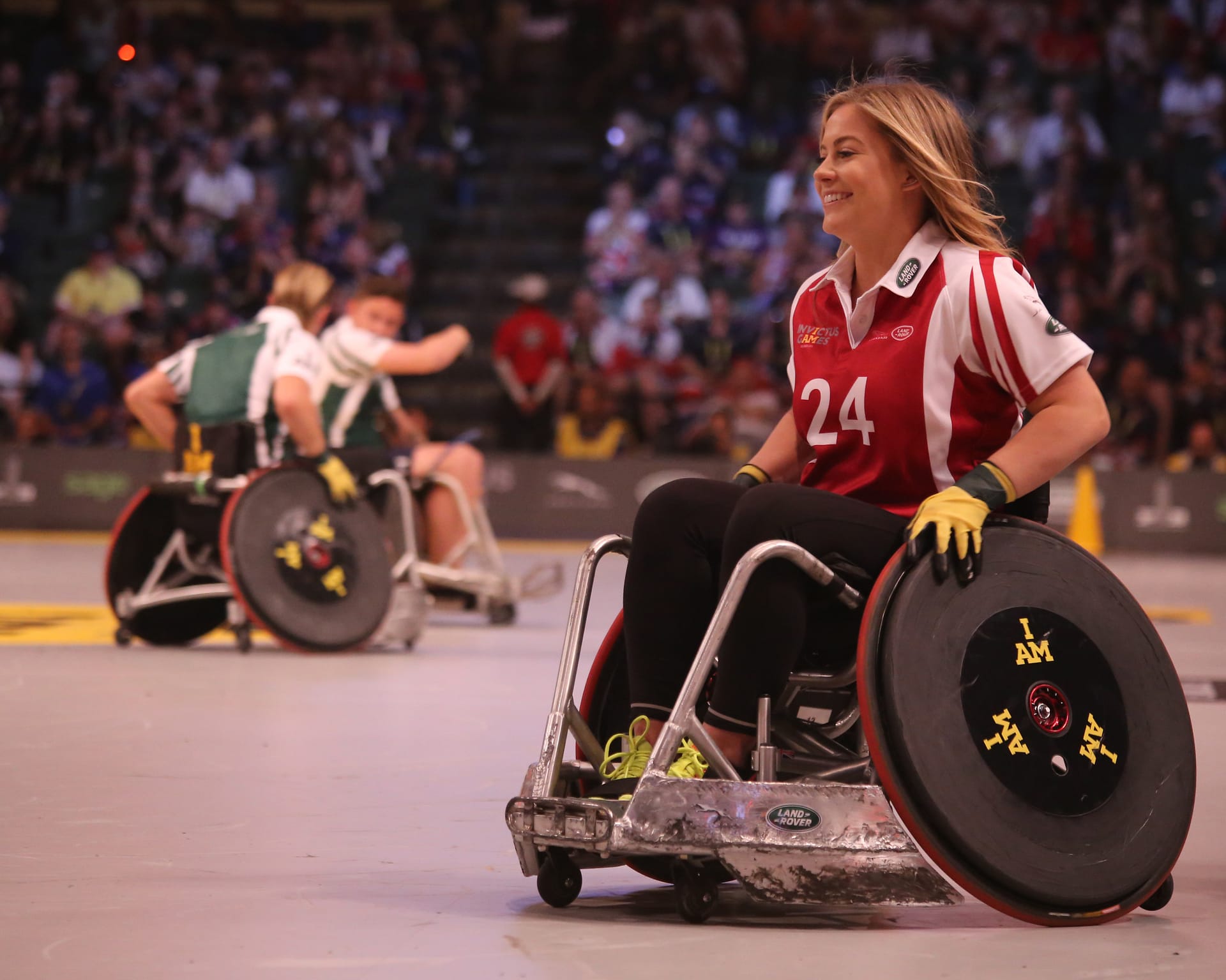
    Have you ever attended the Special Olympics, a disability resource fair, or maybe a softball game and been surprised to find yourself in tears?  I don’t mean when someone gets injured or suffers a disappointing finish – those tears are easily explained. The origin is a little less clear for the tears I’m talking about.

    I once attended a soccer match in which my niece was a star player, in her element and having a stellar game. Her mom was cheering her on wildly as always, but I was blubbering like a baby. I was perplexed but could neither stop nor pinpoint the source of the tears.

    I had a similar moment years ago when Dolly Parton passed by in her annual parade opening Dollywood for the season. Back then, I was mortified by my tearful response, and words fail to describe my husband’s alarm at my tear-filled reaction. He hadn’t always shared my conviction that “doing my work” in therapy was the best investment of family resources, but all comments on therapy bills ceased immediately. 

    Well, the tears poured again recently at a special needs softball game and yet again during a noisy lunch at Disability Day on the Hill in Nashville. 

    At the game, teams of players, diverse in abilities and skills, alternated cheers and groans. They exulted with hands in the air and expressed disappointment by shaking heads and stomping their feet. And as usual, our team geared up their trash-talking. They loudly announced plans to outdo each other, “show ‘em who’s boss,” “knock it out of the park,” and finally, “get ‘em next time.” Here my tears crept up again.

    My years of therapy have not been in vain, though. Well past any embarrassment at emotion taking me by surprise, I was able to get curious. Why did those same unstoppable tears come up when our team started egging on the opposition? Why did it feel just like seeing Dolly pass by that spring day long ago, rhinestones sparkling in the sun? What could these events possibly have in common? 

    Luckily, I had nine innings to ponder these questions, and here’s what I figured out:  

    The team felt they belonged. They belonged on this field, and they belonged to each other. They belonged to the Sertoma Center, a nonprofit providing services for adults with intellectual and developmental disabilities, and the Sertoma Center and its team belonged to them. They belonged to the wider community that is the Knoxville Parks and Recreation Dynamic Softball League, and that wider community – maybe the whole city – belonged to them. 

    And the staff and parents watching – we belonged to them too. And the gift of belonging to them was a big part of what I was born to be. Serving them and their community is a vital part of what I was born to do. Just like my niece on that soccer pitch – talented, trained, hard-working, determined – doing what she was born to do and doing it with all her heart. 

    Something similar stirred my tears at Disability Day on the Hill. We were focused on two things: increasing pay for direct service providers (“DSPs”) and defeating a bill that would have allowed harsh physical restraints by lightly trained staff on students with special needs. Low DSP pay has meant continual staff shortages and curtailed services. The proposed restraints were not only prohibited on neurotypical students but also refused as ineffective by the most highly trained crisis intervention specialists.

    While advocating for these changes, some lawmakers kept us waiting for scheduled appointments – and it’s no small matter to throw my son with autism off his schedule. Some politicians had not fully committed to our requests, but they had all ultimately listened and engaged with our son – always respectfully, but often even joyfully!

    We ultimately got what we asked for on both counts, but we didn’t know that when scores of people impacted by disabilities gathered for lunch that day. Challenges abounded, and the chaos and fear levels were as high as the noise. 

    No matter our political perspective, we all feel some brokenness in our society, and the stakes are even higher for people with disabilities and the families who love them. 

    But the lump in my throat that day wasn’t from a fear of the outcome or the dry turkey sandwich in our boxed lunches. We were together with our people, doing what we were meant to be doing, and doing it with all our hearts. Just like Dolly – fully and majestically herself, doing what she was born to do and doing it with all her heart, dang near all the dang time. 

    When a stringy-haired little girl from the Smoky Mountains started singing at church, no doubt many were impressed. Perhaps she only glimpsed all that was to come as she poured her gifts out into the world, but that glimmer was enough, joined with her absolute resolve, to see her potential realized. 

    I’ve come to embrace those moments when my tears arise at some sacred glimpse into human potential. Just like Dolly, we have the potential to become people and a society at our best, doing what we were meant to be doing – listening to each other, learning, and figuring it out together. 

    The disability community knows perhaps better than any other how to celebrate the individual while also valuing collective efforts. Given the skin we have in the game, it wouldn’t surprise me one bit for our community to lead the way – rhinestones, tears, and all!

    As a firm with a special needs focus, we don’t just focus on a special needs plan for our clients – as crucial as that is. We recognize the gifts that individuals with special needs provide to their families and their communities, and we embrace our shared responsibility to empower those individuals to live their best lives. Sharing that responsibility with our clients is an honor that we don’t take lightly. Sharing it with our society through disability advocacy is yet more sacred ground. 

    Take the Next Steps in Your Journey Today 

    We invite you to join us today in seeing our potential realized – as both individuals and as a society – in the ways best suited to your needs and gifts at this time. 

    First, if you love someone with a disability (including yourself) and want to ensure your family’s resources and legal planning are aligned to support that individual in realizing his or her potential, please schedule a complimentary call to learn about our heart-centered special needs planning process. We will gladly put our legal skills and knowledge to work in support of your own commitment and resolve to achieve your family’s goals. 

    If you’re ready to start your advocacy journey, support the Home and Community-Based Services (HCBS) Relief Act of 2023. The bill extends funding to address the DSP workforce crisis and move 650,000 people nationwide off waitlists and into services. Providing this support for employment, community integration, and care for disabled individuals is among the most meaningful choices we make as a society.

    And stay tuned right here, to our blog, for even more advocacy opportunities. We look forward to seeing you out there – and just in case, we’ll bring the Kleenex!

    This article is a service of Jeannette Marsala, Personal Family Lawyer. We don’t just draft documents; we ensure you make informed and empowered decisions about life and death, for yourself and the people you love. That’s why we offer a Life & Legacy Planning Session, during which you’ll get more financially organized than you’ve ever been before and make all the best choices for the people you love. You can begin by calling our office today to schedule a Life and Legacy Planning Session and mention this article to find out how to get this $750 session at no charge.

  • Holding Space for Grief: Ways to Comfort and Support A Loved One in Mourning

    Holding Space for Grief: Ways to Comfort and Support A Loved One in Mourning

    Losing a loved one is an incredibly challenging experience, and the journey through grief can be both complex and overwhelming. Unfortunately, we all experience grief at one time or another, and knowing how to manage your own grief and how to be there for others who are grieving is an important skill that can improve your life and relationships.

    We understand that our role extends beyond legal matters. In times of loss, it’s crucial to provide comfort and support to those grieving, and when they’re ready, guidance for the steps ahead.

    In this blog, we explore practical and heartfelt ways to hold space for your loved ones who are mourning.

    01 | Express Empathy

    When someone is grieving, the simple act of expressing empathy can provide immense comfort. Let your loved one know that you’re there for them, ready to listen without judgment. Phrases like “I’m here for you,” or “I’m so sorry for your loss” can make a significant impact. 

    If you have also lost a loved one, consider relying on your own experience to relate to their feelings and encourage the person that they will make it through this. Just be mindful to keep the focus on their feelings, as everyone experiences the emotions of loss differently.

    If you aren’t sure what to say or aren’t able to be with them physically, a heartfelt card or a handwritten note can convey your sympathy in a tangible and lasting way. Being present on a telephone call can also be extremely comforting. Even if your loved one doesn’t want to talk, just being together in silence can help. 

    02 | Create a Safe Environment

    Grief is a personal journey, and everyone copes differently. Some may need solitude, while others seek companionship. Respect your loved one’s grieving process and offer support tailored to their needs.

    Grieving individuals often need a safe space to express their feelings without fear of judgment. Encourage open communication and let your loved one know that it’s okay to feel a range of emotions. Avoid offering unsolicited advice and instead provide a listening ear. 

    Sometimes, just being present and allowing them to share memories or express their pain can be incredibly therapeutic. 

    If your loved one doesn’t feel like talking or being around others, don’t push them. Leave them a message of support and give them space. Check in with them only if you haven’t heard from them in an unusual amount of time based on your relationship with them.

    Be patient and understand that the stages of grief are unique to each individual. Even if your loved one is feeling better, they will likely have days or weeks where they will feel overwhelmed by grief again. Offer comfort in these moments without trying to change how they feel.

    03 | Offer Practical Help

    During times of grief, even daily tasks can feel insurmountable. Offering practical help, such as preparing a meal, running errands, or assisting with household chores, can make a world of difference to someone in mourning. Small gestures can alleviate the burden on your loved one, allowing them the time and space they need to navigate their emotions.

    If your loved one is grieving for their spouse, they may be at a loss for how to manage their finances or other daily tasks that their partner normally would have handled. Offer to help them pay their bills, set up memorial arrangements, or inform your other relatives about the loss. If your loved one has children to care for, offer to watch their kids for a while, pick them up after school, or help with homework. 

    Where you’re able, try to assist your loved one as part of a routine or ritual. Establishing routines can provide a sense of stability amid grief. This could be as simple as giving them a weekly phone call to check in, a monthly visit to a special place, or inviting them over for dinner every Sunday. The consistency and socialization these routines bring can offer a source of connection and help ease the depression that comes with loss.

    Ease The Burden of Loss on Your Family By Planning Ahead

    In times of grief, the support of friends and family is crucial. But the best way to alleviate some of the stress and anxiety that comes with the loss of a loved one is to create a plan ahead of time. By doing so, everyone you love will know exactly what you want to happen if you become incapacitated or die, and the care of your assets, bills, and loved ones will be handled quickly and smoothly by the people you trust.

    Even more importantly, your loved ones will have our support to walk them through any necessary legal steps they need to take during the mourning process.

    To learn more about how we can help you create a plan that will provide guidance, comfort, and ease for your loved ones after your death or incapacity, schedule a complimentary call with our office.

    We would be honored to be there for your family.

    This article is a service of Jeannette Marsala, Personal Family Lawyer. We don’t just draft documents; we ensure you make informed and empowered decisions about life and death, for yourself and the people you love. That’s why we offer a Life & Legacy Planning Session, during which you’ll get more financially organized than you’ve ever been before and make all the best choices for the people you love. You can begin by calling our office today to schedule a Life and Legacy Planning Session and mention this article to find out how to get this $750 session at no charge.

>