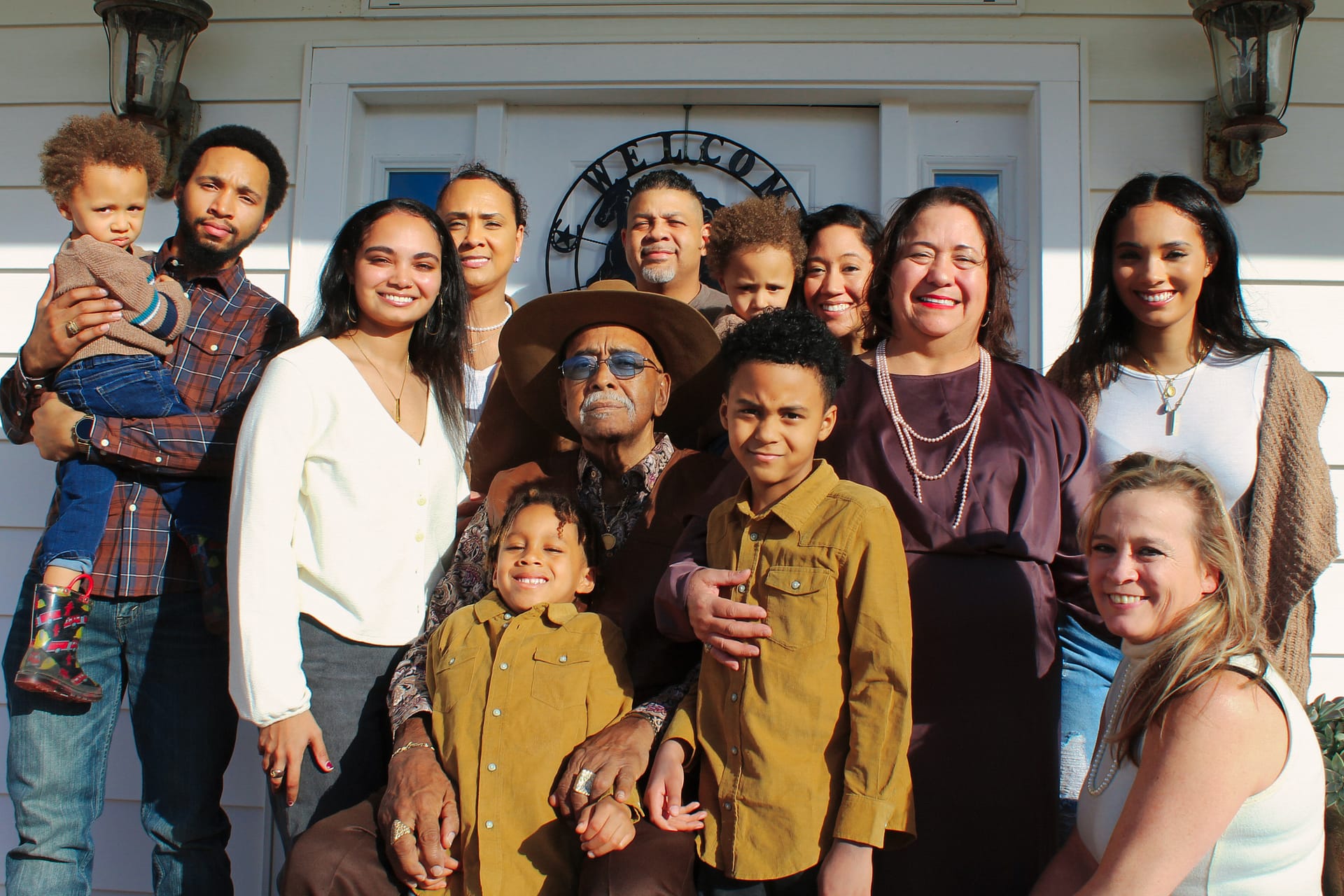
Tag: legacy

  • 10 Steps to Take Now to Secure a Comfortable Retirement: Part 1

    10 Steps to Take Now to Secure a Comfortable Retirement: Part 1

    Retirement is more than just an end to the working years; it’s an exciting new phase of life that requires thoughtful preparation and strategic planning. Since May is Older Americans Awareness Month, it’s the perfect opportunity to explore 10 steps you can take now to ensure a comfortable and fulfilling retirement. In this article, we’ll discuss the first 5 steps, why they’re important, and how to implement them. Next week, we’ll continue with the remaining 5 steps.

    Step 1: Plan for the Transfer of Your Assets

    Why It’s Important: Effective estate planning ensures that your assets are distributed according to your wishes, potentially reduces estate taxes, and can prevent a lot of legal complications for your heirs. Proper estate planning also helps to avoid the public, often lengthy and costly process of probate, ensuring that your heirs have quicker access to the assets you leave behind. Moreover, clear directives in estate planning can prevent family disputes (sometimes resulting in irretrievably broken relationships) and ensure that your specific instructions are followed, preserving your legacy exactly as you intend.

    Practical Steps: Consult with us. We always start the client relationship with education about your options that align with your specific family dynamics, assets, and wishes. From there, we’ll help you create a tailored Life & Legacy plan that works when you and your family need it to, keeping you and them out of court and conflict. Importantly, we can also help you avoid unnecessary taxes before and during retirement (and who doesn’t want that?).

    Life Insurance: Having adequate coverage to handle any debts and funeral expenses can provide a financial cushion for those who depend on you. As part of our Life & Legacy Planning process, we’ll educate you about how much insurance you need and how to pass the funds to the people you want, while avoiding unnecessary taxes and ensuring the funds are available as soon as possible.

    Step 2: Prepare for Long-Term Care Expenses

    Why It’s Important: As we continue to live longer, so does the probability of needing some form of long-term care. These services, whether in-home care, assisted living, or nursing facilities, can be costly and aren’t typically covered by Medi-Cal. Without proper planning, the high costs of long-term care can quickly deplete retirement savings, potentially leaving less financial support for spouses or other family members. Furthermore, preemptive financial planning can significantly ease the emotional and logistical challenges of arranging for long-term care.

    Practical Steps: Research long-term care insurance. Investigate different policies early, ideally in your 50s or early 60s, before premiums rise significantly. Compare benefits, coverage limits, and the reputation of insurance providers.

    Learn About Government Programs: Understand what Medi-Cal covers and explore Medi-Cal eligibility for long-term care, which generally requires spending down your assets.

    Preparing for long-term care can be tricky because the laws are quite complicated. However, we offer elder care planning to help you navigate your options and create a plan that preserves your assets for your loved ones, rather than draining them for health care costs.

    Step 3: Pass on Generational Wealth

    Why It’s Important: By ensuring that wealth passes effectively to future generations, you can secure their financial future and teach them how to manage and grow that wealth responsibly. Furthermore, generational wealth can enhance the lives of future family members and their communities by providing educational opportunities, fostering entrepreneurship, and supporting philanthropic efforts. It also instills a sense of responsibility and stewardship, which are crucial for maintaining family wealth over generations.

    Practical Steps: Explore educational trusts. We can help you set up trusts that release funds for your children or grandchildren based on milestones such as graduation from college. These trusts also have tax benefits, and we can educate you about how they work.

    Create a Family Investment Plan: Include younger family members in discussions about family investments to educate them about financial principles.

    We can not only help you create an educational trust but also asset protection trusts so you can create generational wealth for your family.

    Step 4: Leave a Legacy

    Why It’s Important: What your family will treasure most isn’t the financial gifts you leave, but your life lessons, values, and memories that define your family heritage. A well-planned legacy can inspire and guide future generations, providing them with a sense of identity and belonging to a greater family story. You can ensure that your philosophical and ethical beliefs continue to influence even when you’re no longer present, helping to shape the character and choices of your descendants.

    Practical Steps: Record Life & Legacy Interview with us. We include an interview as an important part of our unique Life & Legacy Planning process. The interview ensures your family has a piece of your family history they can hold onto long after you’re gone. They’ll also treasure being able to see you and hearing your voice whenever they want.

    Step 5: Cultivate and Share Family Values and History

    Why It’s Important: Continuing the idea of leaving a legacy, know that strengthening family bonds through shared history and values helps maintain a sense of continuity across generations. This cultural and historical continuity enhances their psychological resilience and emotional well-being. Additionally, a well-documented family history can serve as a valuable asset for educational and genealogical purposes, enriching the lives of current and future generations. Here are some steps you can take outside of recording a Life & Legacy Interview with us.

    Practical Steps: Create a family archive. Gather photos, letters, and important documents in a digital format to ensure preservation and easy sharing. Enlist the help of a younger family member (Gen Z, anyone?) if you need to. Also consider writing down recipes, stories, and holiday traditions that can be passed down as family legacies.

    Compile Family Histories: Write or record stories about family elders, significant events, and the origins of family traditions. Note that writing these down the “old school” way, i.e., pen and paper, will be meaningful to younger generations. They’ll love having a piece of paper with your handwriting on it.

    Host Family Reunions: Regular gatherings not only help reinforce family bonds but also allow older generations to impart wisdom and traditions firsthand.

    So whether you’re a few years away or are about to retire now, it’s never too early (or too late!) to start planning. Be sure to check back next week for even more steps you can take to ensure peace of mind when the time comes.

    Let Us Help Secure Comfort in Your Retirement

    At our firm, we do more than just guide you through estate planning; we provide you with peace of mind, knowing you’re free to enjoy retirement. However, understanding the complexities of retirement—from estate planning to ensuring long-term care and preserving generational wealth—can be daunting. That’s why, as your heart-centered law firm, we streamline the process, making it as easy on you as possible.

    If you’re interested in learning more about how to create a Life & Legacy Plan that secures your comfort in retirement, we invite you to schedule a complimentary 15-minute call with our office. Let us help you live your best life, every step of the way.

    This article is a service of Jeannette Marsala, Personal Family Lawyer. We don’t just draft documents; we ensure you make informed and empowered decisions about life and death, for yourself and the people you love. That’s why we offer a Life & Legacy Planning Session, during which you’ll get more financially organized than you’ve ever been before and make all the best choices for the people you love. You can begin by calling our office today to schedule a Life and Legacy Planning Session.

  • Till Death or Divorce: Why You Need to Plan Now for Your Relationship’s End

    Till Death or Divorce: Why You Need to Plan Now for Your Relationship’s End

    After the excitement of Valentine’s Day fades away and the last indulgence of chocolate is savored, it’s crucial to turn our attention to a topic that may not be as thrilling as the idea of everlasting love: the reality that all relationships come to an end one day. Before you stop reading, hear me out.

    Whether it’s a breakup, divorce, or the death of a loved one after a lifetime together, every relationship eventually will come to an end. The most important thing is how you’ve planned for that ending, or whether you haven’t at all, as your planning (or lack of it) will have a real impact on you, your partner, your children, and your assets.

    The silver lining? While we can’t prevent the end, we can prepare for it with a blend of compassion and strategic planning that makes the end the best possible foundation for a new beginning.

    Understanding the Intersection of Love and Law

    Love is wonderful—joyful moments, shared dreams for the future, and yes, some legal considerations too. For married couples, the law has default provisions in place for what happens to your assets if one of you dies, but those default plans may not align with your personal preferences or the life you’ve built with your partner.

    If you’re an unmarried couple, the absence of a plan could leave you vulnerable, risking the loss of assets or the inability to make crucial decisions about your property or your medical care.

    To better understand how a lack of planning can leave you and your partner out in the rain, let’s look closer at these important areas that are affected when a relationship ends.

    1 | Property Ownership

    Let’s say you and your partner purchase a home and other assets together. Without clear documentation outlining ownership rights, a dispute can arise if the relationship ends in a breakup. But breakups aren’t the only danger.

    If you aren’t married and one of you passes away, the other partner might find themselves without a rightful claim to the property, potentially facing homelessness or a significant financial loss.

    If you own any property with anyone else or if you want to ensure your property lands in the hands you choose in the event of your death, contact us to plan for that property now.

    2 | Healthcare Decisions

    In the unfortunate event of a medical emergency where one partner becomes incapacitated, lacking appropriate legal documentation could impede the other partner’s ability to make critical healthcare decisions on their behalf. This can lead to delays in medical treatment or disagreements among family members over the person’s treatment, causing unnecessary stress and complications during an already challenging time.

    3 | Guardianship for Children

    For couples with children, failing to establish guardianship arrangements in the event of both parents’ incapacity or death can have devastating consequences. Without a designated guardian, children may be placed in the care of individuals who may not align with your wishes or values, leading to potential custody battles and emotional upheaval for the children and your extended family.

    If you and your partner end your relationship without coming to a mutual agreement on a guardian for your children, things could get even more chaotic – especially if one of you has documented your desired guardian and the other partner hasn’t.

    Worst of all, typical wills don’t cover planning for the needs of minor children sufficiently. It’s why we offer the Kids Protection Plan, specifically designed to ensure your children are never raised by anyone other than people you know, love, and trust, and are never taken from your home and into the care of strangers.

    4 | Business Interests

    If you and your partner share business interests or investments, the lack of a solid plan could jeopardize the future of these assets. Without clear instructions, the surviving partner may face challenges in managing or transferring ownership of these assets, potentially leading to financial instability or the dissolution of the business.

    Be Proactive, No Matter What the Future Holds

    In each of the scenarios above, the absence of proactive estate planning measures leaves individuals vulnerable to legal and financial uncertainties. By taking proactive steps that consider what will happen when your relationship ends, couples can safeguard their assets, ensure their wishes are honored, and provide peace of mind for themselves and their loved ones.

    Not sure how to start the conversation with your partner?

    Start by explaining to your partner your desire to safeguard the life you’re building together. Just as relationships evolve over time, your wishes and how they’re documented should too. Continuously engaging in dialogue and revisiting your plans ensures they remain aligned with your evolving needs and aspirations.

    Let Us Make It Easy to Plan Ahead

    Whether you’ve already started the conversation with your partner or need more guidance, planning for the future of your relationship can feel overwhelming. We can help.

    At our firm, we don’t merely dispense legal counsel; we safeguard your love story. We comprehend the profound significance of your relationship and are dedicated to ensuring its protection. Whenever (and however) your relationship ends, we’ll work with you to create a plan that considers these contingencies ahead of time so you and your loved ones can avoid the stress, conflict, and chaos that comes with incomplete planning.

    To learn more about how we approach estate planning from a place of heart, schedule a complimentary 15-minute call with our office.

    This article is a service of Jeannette Marsala, Personal Family Lawyer. We don’t just draft documents; we ensure you make informed and empowered decisions about life and death, for yourself and the people you love. That’s why we offer a Life & Legacy Planning Session, during which you’ll get more financially organized than you’ve ever been before and make all the best choices for the people you love. You can begin by calling our office today to schedule a Life and Legacy Planning Session.

  • 2 Conversations About Money and Death You Need to Have With Your Parents Right Now

    2 Conversations About Money and Death You Need to Have With Your Parents Right Now

    If you’ve given any thought about estate planning, you probably associate it with preparing for death. But did you know that there are critical reasons (and significant benefits) for planning while you’re still well and alive? That’s why I refer to my services as Life & Legacy Planning. When done right, planning for your assets and your death is something that should start right now through honest, open conversations with your family.

    It starts by talking with your parents, siblings, and children about what you want the future of your family to look like, how you’d like assets managed, and what type of care each family member would want in the event of a debilitating or terminal illness.

    You may have already started a conversation about estate planning with your family. But this week, I dive deeper into the conversations you need to have right now to truly understand your family’s financial picture and plan for the future in the best way.

    Conversation #1: What Exactly Do Your Parents Own?

    Initiating the first conversation involves posing fundamental questions to your parents and the older members of your family: “What do we have? Where is it? How would I access it if you weren’t here to guide me?” 

    The potential risk to your family’s wealth is intricately tied to the costs incurred in the event of a passing. Beyond the visible expenses of funerals, burial or cremation, and end-of-life medical care, there exists a myriad of unseen costs. 

    Unclaimed assets, amounting to approximately $70 billion in various departments across the U.S., often slip through the cracks because family members don’t know where the assets are, how to get them, or that they even exist.

    Because of this, tracking and documenting assets, including crypto assets, before incapacity or death is essential to protecting your family’s wealth when someone dies or becomes incapacitated.

    It may be difficult to bring up this topic with your parents or other family members, but how you approach it with them will make all the difference. The secrecy of asset locations or the fear of appearing greedy may hinder an open discussion between family members, but this can be overcome by building trust between relatives and entire generations.

    For the junior generation, building trust involves understanding the root causes of distrust and stepping into a mature, caring perspective for the greater family good. Similarly, senior generations can nurture trust by taking ownership of past parenting shortcomings and demonstrating faith in the individuals their children have become – after all, if you raised your children with a sense of financial and personal responsibility, you should be able to trust them!

    Navigating these challenges may be daunting, but the rewards of building trust and initiating this crucial conversation are immeasurable. Use the conversation as an opportunity to record the locations and access permissions of family assets. If you aren’t sure how to do this, we can help you create a clear inventory of your assets so nothing is lost when death or illness strike.

    Conversation #2: What Are Their Wishes for Long-Term Care?

    The next conversation you need to have with your parents is about long-term care planning. This conversation extends beyond financial considerations and looks into the emotional intricacies of care, posing questions about who will provide care if your parents become incapacitated or disabled, how it will be administered, and the potential burdens on loved ones.

    While money can be a less vulnerable entry point to this conversation, the core involves the tender question of personal care. Addressing concerns such as, “Who will take care of me? How will I be cared for? Will I be a burden on my loved ones?” brings a level of vulnerability that goes beyond financial considerations.

    Neglecting this conversation can leave crucial decision-making up to the medical system, often resulting in undesirable outcomes and accumulating costs. By engaging in the long-term care conversation, clarity emerges on preferences, funding, and avenues for protection against unforeseen care costs.

    Let Us Guide The Conversation

    If initiating these conversations feels challenging or uncomfortable, we can help. We focus on building personal relationships with our clients and their families, and can help guide you and your family through difficult discussions and tough questions about your family’s assets and wishes.

    It starts with a Life & Legacy Planning Session, where we look at everything you own and everyone you love to identify gaps in your family’s security and make a plan that ensures everything will be cared for the way you want when you die or if you become incapacitated.

    To learn more, schedule a complimentary 15-minute discovery call with us.

    This article is a service of Jeannette Marsala, Personal Family Lawyer. We don’t just draft documents; we ensure you make informed and empowered decisions about life and death, for yourself and the people you love. That’s why we offer a Life & Legacy Planning Session, during which you’ll get more financially organized than you’ve ever been before and make all the best choices for the people you love. You can begin by calling our office today to schedule a Life and Legacy Planning Session and mention this article to find out how to get this $750 session at no charge.

  • Include Your Intellectual Property In Your Estate Plan

    Include Your Intellectual Property In Your Estate Plan

    You don’t have to be a famous producer or household name to own intellectual property. If you create music, own a business, write stories, or build gadgets in your garage, you almost certainly have intellectual property. However, because intellectual property is intangible, it’s often overlooked in estate planning.

    If you do have intellectual property, it may hold significant sentimental and even monetary value for you and the people who love you. Without properly planning for these works in your estate plan, your family could lose these valuable assets forever.

    Even if you’ve worked with a lawyer to set up your business, write a will, or file your taxes, those professionals may not be thinking about what happens to your intangible assets upon your death. Many lawyers who focus on estate planning don’t really understand the value of intellectual property and how to protect it. We do, and now so will you.

    It’s essential that you take the proper steps to not only protect these intangible assets during your lifetime but also ensure that your intellectual property is properly handled following your death. That way, the monetary and human value of your intellectual property isn’t lost forever when you die.

    Safeguard Your Intellectual Property During Life

    While you might think that identifying, protecting, and valuing your intellectual property is something that only applies to big companies and famous artists, that’s definitely not the case. Your intellectual property has sentimental value to your family and may have more monetary value than you realize, and could be of even greater value to your loved ones after you’ve died.

    The first step to take in protecting your intellectual property is to formally document it in an inventory of assets that describes what the asset is, where it’s located, and how to access it if it’s a digital or intangible item. This is something I help all of my clients create to ensure that no asset, whether tangible or intangible, is left out of their plan or lost when they die. 

    The next step is to consider if any of your intellectual property should be legally registered in the form of trademarks, copyrights, or patents with the U.S. Patent and Trademark Office. Original works are automatically copyrighted when you create them, but without legally registering your copyrights, it can be difficult to prove and enforce your copyright if someone steals your work and presents it as their own. If you’re lending, renting, licensing, or selling anything you’ve created to a third party, it’s also important to have the proper legal agreements and contracts in place to ensure there’s no question about who owns the material.

    Likewise, if you own a business and haven’t protected your intellectual property with copyrights, trademarks, patents, royalty and licensing agreements, non-competes for employees, and work-for-hire provisions in your existing agreements with independent contractors and vendors, now is the time to do so.

    Don’t wait until your intellectual property is stolen or you receive a cease-and-desist letter to put these protections in place. Registering a trademark or copyright might cost you time and money, but failing to register your original works can cost you far more than that in legal fees or the lost value of your assets, especially if your family ends up in court trying to fight for what you created.

    Protect Your Intellectual Property for Future Generations

    In addition to protecting your intellectual property during your lifetime, it’s equally important to plan for what will happen to these assets at your incapacity or death, and to protect your heirs from a potentially long and costly court battle over the ownership of your intangible assets.

    The most important thing is to make sure that your family can locate and access your intellectual property after you’re gone. Otherwise, your work could be lost forever. 

    Once you’ve created an inventory of your assets, you’ll need to make sure your loved ones know how to find your inventory so that if you die or become incapacitated they can easily locate and access your assets. Your inventory should also include how each asset is accounted for in your estate plan and whether you share ownership of any intellectual property with another person or company. 

    To make sure all of your assets are planned for in the right way, it’s imperative to meet with an estate planning attorney who has the experience and knowledge to plan for your intellectual property and protect any future income the property may generate for your loved ones.

    Your attorney should help you plan for each asset, who will inherit it, how its value will be distributed, and how income generated from it will be used, all while avoiding the need for a long and costly probate proceeding. 

    If you think this all sounds overly complicated, imagine how much more difficult it will be for your loved ones to deal with it should something happen to you. In fact, it could prove impossible for your loved ones to handle these matters in your absence, which is why it’s so important for you and your legal team to take care of these issues now. That way, your family isn’t stuck trying to clean up your mess after your death.

    Planning for All of Your Assets, In The Best Way

    While you might not be a famous author, artist, or musician (yet), you very well may have valuable intellectual property, and chances are that property hasn’t been properly documented or accounted for in your estate plan. Besides monetary value, your pieces of intellectual property are unique creations that reflect your heart, soul, and personality that your family will cherish for years to come.

    To make sure all of your assets are protected and planned for, including your intellectual assets, give us a call at (650) 600-1735. We offer expertise in documenting, valuing, and protecting your intangible assets so your loved ones can benefit from these creations for generations to come.

    This article is a service of Jeannette Marsala, Personal Family Lawyer. We don’t just draft documents; we ensure you make informed and empowered decisions about life and death, for yourself and the people you love. That’s why we offer a Family Wealth Planning Session, during which you’ll get more financially organized than you’ve ever been before and make all the best choices for the people you love. You can begin by calling our office today to schedule a Family Wealth Planning Session and mention this article to find out how to get this $750 session at no charge.

  • Want to Grow Wealth? Warren Buffett’s Unexpected Investment Advice

    If you’re going to take investment and estate planning advice from anyone, Warren Buffett is likely one you want to consider. As one of the most successful investors in history, his track record speaks for itself. However, his wisdom goes beyond picking stocks and making money. 

    At this year’s Berkshire Hathaway annual shareholder meeting, Buffett shared several pieces of financial advice but also provided insights on the importance of personal growth and estate planning when seeking to grow wealth. While many of us may feel overwhelmed by the thought of estate planning or building our wealth, Buffett’s advice reminds us of two key but simple steps we can take to create financial and generational wealth.

    Focus on Your Human Assets to Build Your Wealth and Your Legacy

    In almost every interview Buffett provides, he stresses the importance of investing in yourself. “The best thing you can do is to be exceptionally good at something,” said Buffett. “Whatever abilities you have can’t be taken away from you. They can’t actually be inflated away from you. So the best investment by far is anything that develops yourself, and it’s not taxed at all.” 

    Your earning power is the greatest determiner of your financial well-being, and the one thing you can count on no matter what’s happening in the external economic environment. If you have a highly valuable skill, and you know how to get paid well for that skill, market your services, and sell your services to those who need them, you’ll never have to worry about money. That doesn’t mean you won’t worry about money; but it does mean you don’t have to worry about money.

    If you don’t have a highly valuable skill or if you have a skill that will soon be replaced by AI, that’s the first place for you to invest. You may need to get retrained, or uplevel your skills to be more human or relational so you can use AI, but not compete with it, and all that may take investment. Don’t shy away from investing in additional training to get even better at your service, or even get the additional support to learn to market and sell your services. Those investments will always pay off, whereas the stock market is out of your control.

    Investing in yourself not only leads to financial success, but also personal fulfillment and a clear sense of purpose that will organically become your legacy. At the end of the day, you likely won’t be remembered for your financial success (though it’s a nice bonus if you are!). Even Warren Buffett, who is renowned for his wealth and investment skill, is even more often acclaimed for his wisdom, humility, and generosity than for his money.  

    Raising Kids Well is Key in Effective Wealth Planning

    During a Q&A session with an estate planning attorney, Buffett stressed the importance of talking to your children about your estate planning well before your death. Buffett stated, “If the children are grown when the will is read to them and it’s the first they’ve heard about what the deceased thought about things, the parents have made a terrible mistake.” 

    Leaving your family in the dark about your personal and financial wishes until you die or become incapacitated due to an accident or illness can lead to large amounts of confusion and conflict among family members. If you don’t want to leave a mess, don’t wait to talk to the people you love.

    As we recommend and build into our Life & Legacy Planning Process, Buffett recommends involving your heirs in the planning process. By doing so, you can ensure that everyone is on the same page and that your wishes are understood and respected far in advance. Additionally, this provides an opportunity to discuss your values and beliefs with your heirs, which can have a lasting impact on their lives.  Buffett expressed that if you really want your heirs to act responsibly with their inheritance, you must live out your values and instill them in your heirs.

    How to Start the Conversation About Estate Planning With Your Heirs

    So how do you start the conversation about estate planning with your heirs? We recommend you do it directly and with an invitation to meet with you and your lawyer together. This is something we love to do with our clients, and we’d love to support your family in this way too. You might say something like: “I want to make sure that we’re all taken care of, both now and in the future. That’s why I’d like to talk to you about my wishes for our family resources, and how we can ensure that everything is handled smoothly when I can’t be here.”

    If your loved ones aren’t immediately open to having a conversation about estate planning with you or are resistant to how you want your assets managed after your death, don’t worry. Talking about estate planning can be uncomfortable at first, but as you normalize the topic, the conversation will become easier and more open. 

    Or, if you’re worried that filling your heirs in on what they’ll receive will cause harm, please call us at (650) 600-1735. This is a place we can really help by supporting you to get prepared to have a conversation with your heirs and also supporting them to be ready to receive their inheritance. 

    When you talk money and inheritance with your heirs during your lifetime, you have the opportunity to truly pass on not just the money, but your values too. If you wait until you’re incapacitated or have died, it’s simply too late.

    Finally, if you’re the future heir of a parent who hasn’t yet talked with you about estate planning, you can jumpstart the conversation by getting your own planning done, and then talking with your parents about the choices you made, why you made them, and letting them know you’d like to help them feel comfortable talking to you about the choices they’re making. If you aren’t sure how to handle any of this, please reach out to us at (650) 600-1735.

    Thoughtful Guidance to Build Your Personal and Financial Life and Legacy

    Warren Buffett’s advice on building and preserving wealth is timeless and valuable no matter the size of your family or your estate. By involving your heirs in your estate planning and investing in yourself, you can set yourself and your loved ones up for long-term financial success and create a legacy that spans not only through your life but through the generations that follow you. 

    If you aren’t sure where to start or how to talk about your wishes with your family, give me a call at (650) 600-1735. I’d be happy to guide you and your loved ones through the process of creating an estate plan that focuses on the needs and hearts of everyone it involves, so you can build a life you love today knowing that your loved ones and your community will be impacted by your legacy for years to come.

    To learn more about my heart-centered approach to estate planning, reach out to me at (650) 600-1735 to learn about my Family Wealth Planning Session process.

    This article is a service of Jeannette Marsala, Personal Family Lawyer. We don’t just draft documents; we ensure you make informed and empowered decisions about life and death, for yourself and the people you love. That’s why we offer a Family Wealth Planning Session, during which you’ll get more financially organized than you’ve ever been before and make all the best choices for the people you love. You can begin by calling our office today to schedule a Family Wealth Planning Session and mention this article to find out how to get this $750 session at no charge.

  • Create a Stronger Blended Family Through Estate Planning

    Create a Stronger Blended Family Through Estate Planning

    Blended families were once considered “non-traditional” families, but today, blended families are becoming just as common as non-blended families. Currently, 52% of married couples (or unmarried couples who live together) have a step-kin relationship of some kind, and 4 in 10 new marriages involve remarriage. 

    If you’re part of a blended family, you’ve probably recognized the extra layer of complexity that comes with planning for your family’s needs and accommodating the many relationships that exist between step-parents, step-kids, and step-siblings. Topics that might be straightforward for a “traditional” family – such as where to spend the holidays or who gets the old family car  – are more complex. 

    Feelings tend to be more sensitive, as the person in a “step” role may feel self-conscious about their place as the “outsider” of the family, whereas on the other hand, one parent’s children may feel put out by the addition of a new step-parent, step-sibling, or half-sibling when their mother or father remarries.

    In a blended family, you work hard to navigate these complexities to keep the family unified and happy. But what you might not know is that our laws for what happens if you become incapacitated or die are still very much based on the traditional family model, which means that your blended family will likely end up in court and conflict without planning for them in advance.

    What Estate Law Says About Blended Families

    Every state has different provisions for what happens when you become incapacitated or die, and the laws of the state where you become incapacitated or die may or may not match your wishes. What’s more, even though you may see your step-family members the same way as your blood relatives, the law does not.

    For example, in Colorado, if you’re survived by a spouse, your surviving spouse would only receive a part of your estate if you have living children (or parents!), and your living children or parents would receive the rest. And the amount your spouse receives is variable based on the number and ages of your children.

    In contrast, in California, all community property assets would go to your surviving spouse, and separate property assets would be distributed partially to a surviving spouse and partially to children, if living, in amounts depending on the number of surviving children.

    In Texas, it can get very complex, depending on whether your assets are separate or community, and whether you have children from the marriage, no children from the marriage, or living parents or siblings.

    As you can see, what’s true for what happens when you die may not result in the outcome you want for your loved ones, especially in a blended family situation. That’s why it’s so important to create an estate plan for your blended family well in advance, and I encourage you to discuss your plan with the members of your family to avoid hurt feelings, confusion, or pain in the future.

    Avoid Conflict in Your Blended Family Through Open Communication

    Estate planning is often seen as a highly private affair, but it doesn’t have to be, and oftentimes, shouldn’t be. In the case of a blended family, having open conversations with your loved ones about your estate plan and your goals for the family can save them from hurt feelings and even court battles in the future.

    Like all families, how you plan for your blended family will depend entirely on your family dynamics, your family members’ situations, and your own personal values for how an inheritance should (or shouldn’t) be received and what kind of legacy you want to leave behind.

    Maybe you have step-kids and biological kids but want all of your children to inherit an equal share from you and your spouse. Maybe there’s a large age gap between your step-kids and biological child, so you want to make sure that your youngest has the financial support they’ll need if something happens to you, whereas the older children are able to support themselves. 

    Maybe you have a step-parent or step-sibling that you would want to gift a special item of yours like a watch or necklace. Well, for better or worse, a person you have a step-relationship with has no right to inherit from you under the law, unless you put your plan in writing. 

    You don’t need to give away every detail of your will or trust, or tell everyone who you named to make decisions for you if you’re incapacitated. Instead, start by having an open conversation about the general goal of your estate plan, such as wanting everyone to have an equal share, or that you want to provide more for your biological children because your step-children will already receive a full inheritance from their other parent.

    By taking the mystery out of your estate plan goals, your stepchildren will feel included in the discussion and feel like they’re knowledgeable about your plan, rather than feeling hoodwinked or hurt if they find out later that your plan doesn’t align with the expectations they created for it in their minds.

    Most importantly, let the people in your life know you value and love them, and that no matter how they’re related to you, you care about them and want them to inherit not just material things from you, but also your values, stories, and legacy.

    Create More Than a Plan, Create a Family Legacy

    To make sure your wishes for your blended family are followed in the event of your death or incapacity, it’s essential to have a well-crafted estate plan created by an attorney experienced in serving blended families. I know all too well the importance of planning for blended families and can help you navigate your options and desires for your family’s plan.

    But what really sets me apart from other estate planning lawyers is that I know that your material possessions are only a small part of a successful estate plan. What will really matter to your family members, no matter how they became your family, is your legacy. 

    Instead of leaving your family a mess to be battled over in court, leave your family an example of financial wellness, of a plan filled with personal values and family history. 

    To do this, I include what I like to call a Family Legacy Interview with all of my estate plans. During this interview, I give you the opportunity to leave your most important assets – your values, stories, and heart – to your family in a meaningful way that they’ll cherish for years after you’re gone.

    For a blended family, the Family Legacy Interview can be even more valuable, because it gives you the opportunity to really speak to your loved ones about the plan you created for them and how much you value the place they hold in your heart.

    If you want to protect your blended family from a court battle and emotional conflict, give me a call today at (650) 600-1735 to schedule a Family Wealth Planning Session. During the session, I take the time to really get to know you and your family’s unique situation and educate you about what exactly will happen to your family under the law if something happened to you right now, so you can make confident decisions about what’s right for your family. Even more, I welcome you to invite the members of your blended family to be a part of the conversation.

    Schedule your session today at (650) 600-1735.

    This article is a service of Jeannette Marsala, Personal Family Lawyer. We don’t just draft documents; we ensure you make informed and empowered decisions about life and death, for yourself and the people you love. That’s why we offer a Family Wealth Planning Session, during which you’ll get more financially organized than you’ve ever been before and make all the best choices for the people you love. You can begin by calling our office today to schedule a Family Wealth Planning Session and mention this article to find out how to get this $750 session at no charge.

  • Why Everyone Needs to Keep Their Estate Plan Updated

    Why Everyone Needs to Keep Their Estate Plan Updated

    As the world and its laws continue to evolve, everyone needs to keep their estate plans up-to-date. An estate plan is a set of documents, such as a will or trust, that dictate how assets will be distributed upon death or incapacity. An individual’s current legal and financial situation should be considered to create a comprehensive estate plan tailored specifically to their needs.

    Ensure Your Wishes Are Respected

    The primary reason to update an estate plan is to ensure that an individual’s wishes are respected upon death. For example, suppose an individual has recently acquired valuable property or has had changes in family structure (such as marriage or children). In that case, updating the documents that outline how assets should be distributed is important. If the documents aren’t updated, this could lead to disputes between family members and legal complications when probate occurs. Additionally, if laws change at the state or federal level, those changes need to be incorporated into the existing estate plan to remain valid and effective. 

    Ensure Your Loved Ones Are Protected From Tax Implications

    Another reason for updating an estate plan is for future tax planning purposes. Without proper planning and asset allocation, taxes can significantly reduce the amount that beneficiaries receive after one’s death. Additionally, some states have transfer taxes on certain assets (such as real estate), which must be factored into one’s estate planning decisions. In addition, changes in federal tax law may affect whether other taxes, such as capital gains tax, applies at the time of death or while transferring assets during life – thus providing additional incentive for individuals to review their plans regularly with their advisors and make necessary updates when necessary. 

    Ensure Your Medical Decisions Are Handled With Care

    Estate planning also encompasses contingency plans in case of incapacity due to illness or injury – commonly referred to as disability planning. This means creating end-of-life documents such as Advance Health Care Directives, which list specific instructions about medical treatments that should be administered if certain conditions arise – such as if a person suffers from dementia or a traumatic brain injury and can no longer make decisions on their behalf. This planning can provide peace of mind knowing that an individual’s wishes will be respected even if they cannot make decisions themselves due to illness or injury. 

    Ensure You Leave a Legacy For Your Loved Ones

    Finally, updating an estate plan allows people to express gratitude for those who have helped them over the years – whether it be through providing advice on financial matters or being there simply by offering emotional support during difficult times – by including them in a legacy interview with our firm. Specific instructions can also be included in your plan regarding how charitable donations should be handled after death – enabling individuals who wish to donate part of their wealth to leave behind a lasting legacy that furthers causes they believe in long after they pass away. 

    Keep Your Estate Plan Up-To-Date

    In conclusion, having an up-to-date estate plan helps ensure that your wishes are respected upon incapacity or death; protects you from unnecessary taxes; helps with disability planning; and allows you the chance to express appreciation towards those who have had a positive impact on your life while still alive. Therefore, estate plans should consider current circumstances and anticipate future events to avoid any potential problems. We hold regular reviews of your estate plan through the stages of change in your life or every three years. Contact us today with your questions about your current plan and if you need an update.

    This article is a service of Jeannette Marsala, Personal Family Lawyer. We don’t just draft documents; we ensure you make informed and empowered decisions about life and death, for yourself and the people you love. That’s why we offer a Family Wealth Planning Session, during which you’ll get more financially organized than you’ve ever been before and make all the best choices for the people you love. You can begin by calling our office today to schedule a Family Wealth Planning Session and mention this article to find out how to get this $750 session at no charge.

>