Tag: law

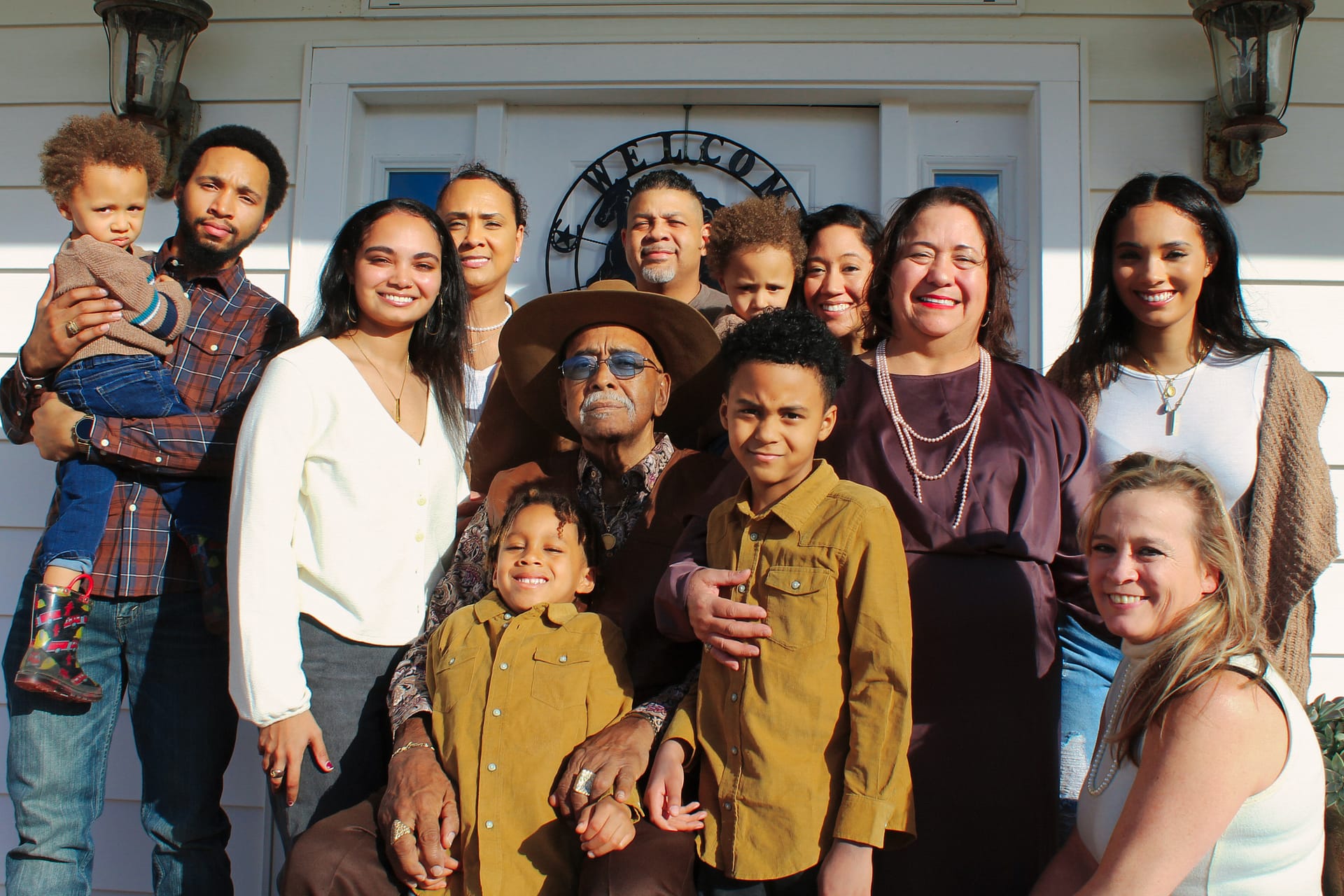
  • Create a Stronger Blended Family Through Estate Planning

    Create a Stronger Blended Family Through Estate Planning

    Blended families were once considered “non-traditional” families, but today, blended families are becoming just as common as non-blended families. Currently, 52% of married couples (or unmarried couples who live together) have a step-kin relationship of some kind, and 4 in 10 new marriages involve remarriage. 

    If you’re part of a blended family, you’ve probably recognized the extra layer of complexity that comes with planning for your family’s needs and accommodating the many relationships that exist between step-parents, step-kids, and step-siblings. Topics that might be straightforward for a “traditional” family – such as where to spend the holidays or who gets the old family car  – are more complex. 

    Feelings tend to be more sensitive, as the person in a “step” role may feel self-conscious about their place as the “outsider” of the family, whereas on the other hand, one parent’s children may feel put out by the addition of a new step-parent, step-sibling, or half-sibling when their mother or father remarries.

    In a blended family, you work hard to navigate these complexities to keep the family unified and happy. But what you might not know is that our laws for what happens if you become incapacitated or die are still very much based on the traditional family model, which means that your blended family will likely end up in court and conflict without planning for them in advance.

    What Estate Law Says About Blended Families

    Every state has different provisions for what happens when you become incapacitated or die, and the laws of the state where you become incapacitated or die may or may not match your wishes. What’s more, even though you may see your step-family members the same way as your blood relatives, the law does not.

    For example, in Colorado, if you’re survived by a spouse, your surviving spouse would only receive a part of your estate if you have living children (or parents!), and your living children or parents would receive the rest. And the amount your spouse receives is variable based on the number and ages of your children.

    In contrast, in California, all community property assets would go to your surviving spouse, and separate property assets would be distributed partially to a surviving spouse and partially to children, if living, in amounts depending on the number of surviving children.

    In Texas, it can get very complex, depending on whether your assets are separate or community, and whether you have children from the marriage, no children from the marriage, or living parents or siblings.

    As you can see, what’s true for what happens when you die may not result in the outcome you want for your loved ones, especially in a blended family situation. That’s why it’s so important to create an estate plan for your blended family well in advance, and I encourage you to discuss your plan with the members of your family to avoid hurt feelings, confusion, or pain in the future.

    Avoid Conflict in Your Blended Family Through Open Communication

    Estate planning is often seen as a highly private affair, but it doesn’t have to be, and oftentimes, shouldn’t be. In the case of a blended family, having open conversations with your loved ones about your estate plan and your goals for the family can save them from hurt feelings and even court battles in the future.

    Like all families, how you plan for your blended family will depend entirely on your family dynamics, your family members’ situations, and your own personal values for how an inheritance should (or shouldn’t) be received and what kind of legacy you want to leave behind.

    Maybe you have step-kids and biological kids but want all of your children to inherit an equal share from you and your spouse. Maybe there’s a large age gap between your step-kids and biological child, so you want to make sure that your youngest has the financial support they’ll need if something happens to you, whereas the older children are able to support themselves. 

    Maybe you have a step-parent or step-sibling that you would want to gift a special item of yours like a watch or necklace. Well, for better or worse, a person you have a step-relationship with has no right to inherit from you under the law, unless you put your plan in writing. 

    You don’t need to give away every detail of your will or trust, or tell everyone who you named to make decisions for you if you’re incapacitated. Instead, start by having an open conversation about the general goal of your estate plan, such as wanting everyone to have an equal share, or that you want to provide more for your biological children because your step-children will already receive a full inheritance from their other parent.

    By taking the mystery out of your estate plan goals, your stepchildren will feel included in the discussion and feel like they’re knowledgeable about your plan, rather than feeling hoodwinked or hurt if they find out later that your plan doesn’t align with the expectations they created for it in their minds.

    Most importantly, let the people in your life know you value and love them, and that no matter how they’re related to you, you care about them and want them to inherit not just material things from you, but also your values, stories, and legacy.

    Create More Than a Plan, Create a Family Legacy

    To make sure your wishes for your blended family are followed in the event of your death or incapacity, it’s essential to have a well-crafted estate plan created by an attorney experienced in serving blended families. I know all too well the importance of planning for blended families and can help you navigate your options and desires for your family’s plan.

    But what really sets me apart from other estate planning lawyers is that I know that your material possessions are only a small part of a successful estate plan. What will really matter to your family members, no matter how they became your family, is your legacy. 

    Instead of leaving your family a mess to be battled over in court, leave your family an example of financial wellness, of a plan filled with personal values and family history. 

    To do this, I include what I like to call a Family Legacy Interview with all of my estate plans. During this interview, I give you the opportunity to leave your most important assets – your values, stories, and heart – to your family in a meaningful way that they’ll cherish for years after you’re gone.

    For a blended family, the Family Legacy Interview can be even more valuable, because it gives you the opportunity to really speak to your loved ones about the plan you created for them and how much you value the place they hold in your heart.

    If you want to protect your blended family from a court battle and emotional conflict, give me a call today at (650) 600-1735 to schedule a Family Wealth Planning Session. During the session, I take the time to really get to know you and your family’s unique situation and educate you about what exactly will happen to your family under the law if something happened to you right now, so you can make confident decisions about what’s right for your family. Even more, I welcome you to invite the members of your blended family to be a part of the conversation.

    Schedule your session today at (650) 600-1735.

    This article is a service of Jeannette Marsala, Personal Family Lawyer. We don’t just draft documents; we ensure you make informed and empowered decisions about life and death, for yourself and the people you love. That’s why we offer a Family Wealth Planning Session, during which you’ll get more financially organized than you’ve ever been before and make all the best choices for the people you love. You can begin by calling our office today to schedule a Family Wealth Planning Session and mention this article to find out how to get this $750 session at no charge.

  • 4 Ways to Use AI to Make Life Easier for You and Your Family

    4 Ways to Use AI to Make Life Easier for You and Your Family

    Whether you’re turning on the news or scrolling through Instagram, it’s hard not to hear about AI technology, so this week I wanted to take some time to cover what the buzz is about and how you can use this technology to make your own life easier. 

    AI (artificial intelligence) language models like ChatGPT and Jasper in particular are enjoying the spotlight this year. Essentially, these are online software programs that have the ability to interpret natural language and provide human-like responses. In a nutshell, that means you can type in questions or commands as if you were writing a message to a real person, and the software will produce an equally human-like response. 

    What has the world buzzing over these programs is their ability to understand and interpret the text you enter into them in the same way a real person would, including an ability to modify its response based on your follow-up questions or commands.

    If you think AI technology seems a bit too “sci-fi” for daily use, I’m happy to share that there are a number of ways you can use an AI language model to make your family’s life easier right now, from saving you time, helping you communicate, and even helping you plan that much-needed vacation. 

    Here are three everyday applications for AI that you’ll want to start using today.

    1. Get Help Writing a Tricky Email

    I think it’s safe to say that we all have times in our lives when we have to deliver an uncomfortable message via email, text, or phone. Maybe you’re resigning from a job, critiquing someone’s work, or delivering bad news. Whatever the situation might be, it can be stressful to try and deliver a message in a way that clearly delivers your message with the right tone for that situation.

    Instead of staring blankly at your email or anxiously picking up the phone, try drafting out your message in an AI language model like ChatGPT or Jasper first. 

    For example, I typed the following into ChatGPT to get a prompt for approaching an employee about a performance issue:

    “Imagine you need to give negative feedback to an employee. This employee is friendly and hard-working but makes many spelling mistakes in the company’s meeting minutes. You want the employee to know that you value having them on your team, but that their accuracy needs to be improved. Write an email that I could send to this employee.”

    ChatGPT provided the following sample email that I can use:

    “Dear [Employee Name],

    I hope this email finds you well. I wanted to take a moment to provide you with some feedback regarding the meeting minutes you have been responsible for drafting. First and foremost, I want to express how much we appreciate your hard work and dedication to the team. You are a valued member of our team, and we are lucky to have you.

    However, I have noticed that there have been a number of spelling mistakes in the meeting minutes recently. While I understand that mistakes can happen, accuracy is critical when it comes to recording important decisions and actions taken in meetings. I wanted to bring this to your attention so that we can work together to improve the accuracy of the meeting minutes.

    I would like to suggest that you take some extra time to review your work before submitting it to ensure that it is error-free. You might also consider using spell-check or grammar-check tools to assist you in catching any mistakes.

    Please know that we have confidence in your ability to improve in this area, and we are committed to supporting you in any way we can. Please feel free to reach out to me if you have any questions or concerns.

    Thank you again for your hard work and dedication to our team.”

    Not only did the software draft a natural-sounding email, but it suggested ways the employee could remedy the situation. What’s more, you can ask the AI to further modify and refine its previous responses. For instance, you could ask it to rewrite the email with a more empathetic or casual tone, or to shorten the length of the message. 

    Gone are the wasted hours trying to craft the perfect email for a challenging situation!

    Even if you need to communicate with someone over the phone, using an AI language model can help get the conversation off on the right foot by providing you with an outline for how to start the conversation or outlining the points you want to cover. 

    2. Find the Best Flight Prices Faster

    If you’ve ever planned a family vacation, you know how time-consuming searching for flights can be. What seems like an easy enough task on the surface can easily become a days-long marathon of comparing airlines, prices, layovers, seasons, and the difference in travel time if you fly from one city versus another.

    Now, thanks to an integration with KAYAK, you can ask ChatGPT questions about your travel plans and ChatGPT will sort through your travel options for you.

    For example, you could ask, “What’s the cheapest flight from Fargo to Orlando?” and the software will provide you with the best options that meet your request.

    Want a direct flight? You can alter your request by adding, “Show me direct flights only” to further narrow down your options. No need to worry about manners, you can simply be direct and to-the-point with your requests.

    Want to compare prices depending on what day of the week? You can ask the software, “What is the cheapest day to fly to Orlando from Fargo in June?” 

    The KAYAK integration is currently only available for paid ChatGPT subscribers, but plans are underway to make it available in the software’s free version. If you’re anxious to do some traveling and want to try out ChatGPTs KAYAK integration, paid subscriptions are billable based on how much you use the software and include a free five-dollar credit to get you started.

    3. Create a Better Resume and Cover Letter

    Whether you’re actively looking for a job or wondering how you could improve your resume to increase your chances of a promotion, having a great resume can mean the difference between getting an interview and being passed up. But it can be difficult to write a resume or cover letter that truly conveys the value of what you bring to the workplace without sounding overly self-promoting. Thankfully, using an AI language model like ChatGPT can help flesh out your resume and create a cover letter that will stand out to a company’s hiring manager. 

    For example, let’s imagine I’m a receptionist for a medical clinic and want to apply for a similar position at another clinic. I’ve written a resume, but I don’t feel confident that it highlights my skills in the role. In this situation, I pasted my skills from my resume into ChatGPT and entered the following instruction:

    “Improve this job description for my resume: 

    • Take patient phone calls and respond to messages
    • Schedule appointments based on the provider’s availability
    • Help team members with questions
    • Follow-up with patients to reschedule canceled appointments”

    ChatGPT provided the following improved bullet points:

    • Responding to patient inquiries via phone, email, and messages with a friendly and professional demeanor, while providing accurate and helpful information.
    • Coordinating and scheduling appointments based on the availability of healthcare providers, while ensuring that patient needs were prioritized.
    • Supporting and collaborating with team members by answering questions and providing guidance when needed.
    • Conducting timely follow-ups with patients to reschedule canceled appointments and ensure their continued care.

    The output from ChatGPT conveys my responsibilities as a receptionist in a more interesting and descriptive way, while also highlighting my skills by showing my focus on patient care and teamwork. 

    By using an AI language model such as this, you can either start your resume or cover letter from scratch or get tips for how to improve a resume you already have. You can also use the software to customize the same cover letter for different companies, saving countless hours in your job search.

    4. Get Help with Your Kids’ Homework 

    If you have kids, you know that helping them with their homework can sometimes feel just as tough for you as it does for them. The good news is that you can use an AI language model to walk through homework problems to make them easier for your child – and you – to understand.

    All you need to do is type the math problem into the software program and ask for an explanation. For example, I entered the following into ChatGPT:

    “Explain how to do this math problem to a 4th grader: 1/2 X 2/3 =”

    ChatGPT responded with the following:

    “Certainly! We want to find out what happens when we multiply these two fractions together. To do that, we need to multiply the numerators (which are the numbers on top) and then multiply the denominators (which are the numbers on the bottom).

    So 1/2 X 2/3 would look like this:

    To multiply the numerators, we just multiply the numbers on top:  1 X 2 = 2

    And to multiply the denominators, we just multiply the numbers on the bottom: 2 X 3 = 6

    So the answer is 2/6!

    But we can simplify this fraction by dividing both the numerator and the denominator by the greatest common factor, which is 2. If we divide 2/6 by 2, we get 1/3. So the final answer is 1/3!

    That means if we had one whole thing that we cut into two equal pieces, and then we shaded in one of those pieces, and then we took that one piece and cut it into three equal pieces, and then we shaded in two of those pieces, we would end up with 1/3 of the whole thing.”

    Pretty helpful, right? Now that was a pretty simple example, but you can even ask more complicated math questions or questions for other subjects as well.

    Not only can this help you and your child better understand their homework, but can help eliminate the frustration you two may feel over the daily homework struggle.

    More Than Legal Advice – Your Trusted Advisor

    By using AI technology, you can save time, communicate more effectively, and plan vacations with ease. I’ll use AI and other technology in my own practice to create more efficiencies and better service, so I can use my heart and humanity to serve you. I’m here to do the parts of lawyering that can never be replaced by a machine and be a trusted advisor for my clients and their families. I know that life can be hectic and stressful, and I’m here to provide resources that can make your life easier now and in the future. 

    In that vein, I love learning about new technologies and the ways they can improve our lives. But I also know that technology – no matter how good – can never replace the care and humanity that real people have to offer. To me, the best part about technology is that by saving us time, it frees us up to spend more time connecting with one another. 

    That’s why when it comes to your legal planning, I offer a Family Wealth Planning Session where I not only discuss how the law affects you and your loved ones, but I truly get curious with you about your life, your goals, and the legacy you want to leave behind, so you can rest assured knowing that your estate plan will work perfectly for you. By using the best technology and systems to do my work, I’m able to be more available to my clients when they need me most.

    If you’re interested in learning more about how I serve my clients differently than most lawyers or have questions about estate planning, please reach out to be today at (650) 600-1735.  I’m not just your family’s legal advisor. I’m a trusted advisor for life.

    This article is a service of Jeannette Marsala, Personal Family Lawyer. We don’t just draft documents; we ensure you make informed and empowered decisions about life and death, for yourself and the people you love. That’s why we offer a Family Wealth Planning Session, during which you’ll get more financially organized than you’ve ever been before and make all the best choices for the people you love. You can begin by calling our office today to schedule a Family Wealth Planning Session and mention this article to find out how to get this $750 session at no charge.

  • Leaving Your Pet in Your Will Won’t Protect Them – Do This Instead

    Leaving Your Pet in Your Will Won’t Protect Them – Do This Instead

    If you’re a pet owner, you know the special bond that exists between you and your pets, and to many pet owners, our furry friends aren’t just a pet – they’re a loved and important part of our families. So if you’re thinking about how best to provide for your family after you die or if you become incapacitated, it makes sense for your beloved pet to be a part of the plan.

    You want your pet to continue to have the kind of love and care you provided during your life, but estate planning for furry friends requires a little more thought than you might expect. 

    To understand why, it’s important to know two things:

    • A pet is considered property under the law.
    • When someone receives a gift of property through a will, that person can do whatever they want with that property, including your pet.

    A Will Won’t Cut It

    While you see them as part of the family, under the law, a pet is considered personal property, just like your money, furniture, and clothes. Because of this, you can’t actually leave money or possessions to your pet directly through your will or trust. Even if you try to leave money directly to your pet in your will, the money will instead skip your pet and pass to the beneficiaries you named to receive the remainder of your possessions. Or, if you didn’t name anyone else, the court will give your possessions, including your pet, to your next of kin, as determined under the law.

    Worst of all, the person that receives your pet and money for its care through your will has no legal obligation to use that money for your pet’s care or to even keep your pet at all. That’s why it’s so critically important to work with an estate planning attorney who knows the proper way to plan for your pet, so that when you die or if you become incapacitated, your beloved companion won’t end up in an animal shelter or given away to anyone you wouldn’t want raising your beloved familiar.

    A Will Provides No Guarantees For Their Future

    Because you can’t leave money to your pet directly, your first thought might be to leave your pet and money for its care to someone you trust through your will instead. While this is an option, it’s not guaranteed to work.

    That’s because the person you name as the beneficiary of your pet in your will has no legal obligation to use the funds you leave for your pet’s care for that purpose. Even if you leave detailed instructions for your pet’s care, there is no law holding the beneficiary to accept the responsibility of caring for your pet or stopping them from changing their mind in the future after the court probate process is finished.  

    You might be thinking that the person you’d leave your pet to loves them and would never think of abandoning them. But even if this person is committed to caring for your pet, it’s simply impossible to predict what circumstances might occur in the future that could make it impossible for them to provide for your pet for your pet’s full lifetime.

    For example, when you die, the new caregiver might:

    • Live in an apartment or condo that doesn’t allow pets
    • Suffer from an unforeseen illness that makes it difficult to care for your pet
    • Have an allergy to your pet you knew nothing about
    • Become so busy with work or family that they just don’t have the time to make a lifelong commitment to your pet’s care

    A Will Isn’t Fast Enough

    The other issue a will creates for your pet is that a will is required by law to go through the court process known as probate before any of your property can be distributed to the people you’ve named, and of course, it only operates in the event of your death, not your incapacity. 

    The probate process itself can take months or even years to complete. During that time, your pet could be passed around between family members and friends, who may even argue over who should care for it. In the worst-case scenario, no one may even think to check in on your pet regularly while the court process is unfolding.

    Plus, a will only goes into effect upon your death, so if you’re incapacitated by accident or illness, it would do nothing to protect your companion. This leaves your pet in limbo and vulnerable to being re-homed to someone you wouldn’t have chosen or wanted to care for your pet. In the worst scenario, your pet could be surrendered to a shelter by the time everything gets figured out.

    Provide Long-Lasting Care for Your Pet Through a Pet Trust

    In order to be completely confident that your pet is properly taken care of and that the money you leave for its care is used exactly as intended, ask us to help you create a pet trust.

    By creating a pet trust, you can lay out detailed, legally binding rules for how your pet’s chosen caregiver (the trustee) can use the funds you leave for your furry friend. And unlike a will, a pet trust doesn’t go through probate, so it goes into effect immediately in the event you become incapacitated or pass away, whereas a will requires the court process called probate to take place before any decisions can officially be made about your pet.

    Additionally, in a pet trust, you can name backup trustees who will receive your pet and any funds left for them if the first person you chose as trustee declines to take your pet or isn’t able to care for them in the future. To add even more certainty to your pet’s future, you can name multiple trustees for your pet. In this way, you’d have two people invested in the care of your pet who can see that the money you leave for its care is used wisely. 

    Finally, all of the care decisions and financial distributions for the care of your pet will happen in the privacy of our office, in the event of your death or incapacity. We’ll guide your decision-makers about how and why you made your decisions, and how they need to care for your pet to receive distributions. You’ll literally have a lawyer ensuring the care of your pet happens as you would want it. While that may seem excessive for some, we have many clients who care that much about the well-being of their pets and want to ensure their care is handled as they want.

    Do Right By Your Pet

    Don’t leave your beloved pet’s future up to chance. Let us help you create a pet trust that will provide for your furry friend’s long-term care and be there for your pet and your decision-makers when you cannot be.

    At our firm, we can help you create a legally binding pet trust that outlines detailed rules for how your pet’s chosen caregiver can use the funds you leave for their care. Unlike a will, a pet trust doesn’t go through probate, which means it goes into effect immediately if you become incapacitated or pass away. We’ll be there for the people you love when you cannot.

    Contact us today at (650) 600-1735 to schedule a consultation and ensure you’re doing right by your pet.

    This article is a service of Jeannette Marsala, Personal Family Lawyer. We don’t just draft documents; we ensure you make informed and empowered decisions about life and death, for yourself and the people you love. That’s why we offer a Family Wealth Planning Session, during which you’ll get more financially organized than you’ve ever been before and make all the best choices for the people you love. You can begin by calling our office today to schedule a Family Wealth Planning Session and mention this article to find out how to get this $750 session at no charge.

  • Stephen “tWitch” Boss Dies Without a Will

    Stephen “tWitch” Boss Dies Without a Will

    Stephen Laurel Boss, also known as “tWitch,” was an American DJ, hip-hop dancer, choreographer, television producer, and actor whose personality lit up the stage on So You Think You Can Dance and as a producer and frequent guest host on The Ellen Degeneres Show. Boss also co-hosted the TV show Disney’s Fairy Tale Weddings alongside his wife and fellow dancer, Allison Holkers. 

    Boss and Holkers shared a seemingly extremely happy life together in Los Angeles, California where they were raising their three children, ages 3, 7, and 14. Sadly, on December 13, 2022, Boss died by suicide at the age of 40. Boss’ death was a complete shock to fans and loved ones who reported the star seemed happy in the weeks leading up to his death. 

    Boss died without a will or trust in place, meaning his wife, Allison Holker, has the task of petitioning the California court system to release Boss’ share of their assets to her. While California has tools to simplify this process for some couples, Holker will still need to wait months before she can formally take possession of the property Boss owned with her, as well as property held in his name alone, including his share of his production company, royalties, and his personal investment account.

    Unnecessary Court Involvement In a Time of Grief

    In order to have access to her late husband’s assets, Holker had to make a public filing in the Los Angeles County Probate Court by filing a California Spousal Property Petition, which asks the court to transfer ownership of a deceased spouse’s property to the surviving spouse. Holker must also prove she was legally married to Boss at the time of his death. 

    While California’s Spousal Property Petition helps speed up an otherwise lengthy probate court process, the court’s involvement nonetheless delays Holker’s ability to access her late husband’s assets – a hurdle no one wants to deal with in the wake of a devastating loss. In addition, the court probate process is entirely public, meaning that the specific assets Holker is trying to access are made part of the public record and available for anyone to read. 

    During such a difficult time, all a person wants is the space to mourn and manage their loved one’s affairs in privacy and peace. With court involvement, the timeline of steps that need to be taken is dictated by the court, and the process of proving your right to manage your loved one’s assets can feel like an unfair burden when there are so many other things to take care of during the death of a loved one.

    This isn’t just a problem for the wealthy. Even if you own a modest estate at your death, your family will need to go through the probate court process to transfer ownership of your assets if you don’t have an estate plan in place.

    How to Prevent This From Happening to Your Loved Ones

    When someone dies without an estate plan in place, the probate court’s involvement can be a lengthy and public affair. At a minimum, you can expect the probate process to last at least 6 months and oftentimes as long as 18 months or more. Court involvement in Boss’ passing could have been completely avoided if Boss and Holker had created a revocable living trust to hold their family’s assets. If they had, Holker would have had immediate access to all of the couple’s assets upon Boss’ death, eliminating the need to petition a court or wait for its approval before accessing the funds that rightly belong to her. 

    A trust would have also kept the family’s finances private. With a trust, only the person in charge of managing the trust assets (the trustee) and the trust’s direct beneficiaries need to know how the assets in a trust are used. There is also no court-imposed timeline on the trustee for taking care of your final matters (with the exception of some tax elections), so your family can move at the pace that’s right for them when the time comes to put your final affairs in order.

    The privacy that a trust provides also helps to eliminate potential family conflict because only the parties directly involved in the trust will know what the trust says. If issues between family members arise over the contents of the trust, the trust will lay out all of your wishes in detail, so that all family members are on the same page and understand your wishes for the ones you’ve left behind.

    Guidance for You and the Ones You Love

    Most importantly, creating a revocable living trust through usensures your loved ones have someone to turn to for guidance and support during times of uncertainty. No one expects the sudden loss of a loved one, but when it happens, your world is shaken. Even the simplest tasks can feel overwhelming, let alone the work involved to manage a loved one’s affairs.

    That’s why we welcome you to meet with us for a Family Wealth Planning Session to discuss your wishes for when you die or if you become incapacitated. During the session, we’ll walk you through all of your options for estate planning and how your choices will impact your loved ones after you’re gone. We even encourage you to bring your family with you to your planning session so they have a chance to meet us. 

    If you’re ready to start the estate planning process, contact us at (650) 600-1735, or click the link in the paragraph below to schedule your Family Wealth Planning session today.

    This article is a service of Jeannette Marsala, Personal Family Lawyer. We don’t just draft documents; we ensure you make informed and empowered decisions about life and death, for yourself and the people you love. That’s why we offer a Family Wealth Planning Session, during which you’ll get more financially organized than you’ve ever been before and make all the best choices for the people you love. You can begin by calling our office today to schedule a Family Wealth Planning Session and mention this article to find out how to get this $750 session at no charge.

  • 3 Simple Mistakes That Can Derail Your Estate Plan

    3 Simple Mistakes That Can Derail Your Estate Plan

    If you’re tempted to use a DIY estate planning service or have already created a plan you aren’t 100% confident in, be sure to read how these three simple mistakes can derail your estate plan and leave your family with an expensive mess.

    We regularly meet with clients who ask us to review an estate plan that they created online or with an attorney who isn’t experienced with estate planning. You see, these clients usually think they found a faster and cheaper solution to estate planning, but once the plan is signed and done, they’re often left wondering whether this “cheap” plan will actually accomplish their goals, or if it will leave their family with a big mess instead. What I see time and again when I review these estate plans are poorly designed plans with simple but devastating mistakes. What’s more, these clients wouldn’t even realize their plan had these mistakes if they hadn’t met with us! 

    While it might seem simple enough to put together a trust online or have your tax attorney prepare your will, it can be very difficult to create an estate plan that works without the proper training and experience. What might seem like minor details to the inexperienced eye can often have major effects on your plan’s final outcome. 

    More often than not, clients who meet with us to review a DIY plan find out that instead of saving money on their estate plan, they’ve actually cost themselves much more by buying a plan that has mistakes. And if these mistakes aren’t caught by you while you’re alive and well, your loved ones will be the ones paying the price to resolve them after you’re gone.

    Here are the three biggest mistakes I see when reviewing DIY and low-cost estate plans:

    Leaving Assets Outright to Loved Ones 

    One of the simplest mistakes you can make in estate planning is distributing your assets directly to your beneficiaries upon your death. This is a bad idea for several reasons:

    • The assets have no protection from your beneficiaries’ creditors once they leave your estate.
    • The money can be squandered and used however the beneficiary wants.
    • If the beneficiary is a minor, a court will decide who manages the assets and how they’ll be used.

    Instead of gifting your assets directly to your beneficiaries, distribute your assets into a trust for the beneficiaries’ benefit. When creating a trust, you can choose who will manage your assets for your beneficiaries while also sheltering those assets from your beneficiaries’ creditors or their own poor money-management skills.

    Setting up a trust to hold your assets is especially important if you have minor children. Minors cannot own money on their own, which means they can’t receive any assets from you directly on your death. Instead, a court will need to appoint a trustee or conservator to manage the assets you leave for your children. There’s a high chance that the person the court appoints will not be the person you would have chosen yourself. And if the court appoints a professional trustee, your assets will be reduced by expensive trust administration fees.

    A court-appointed trustee will distribute the assets to your children outright when they reach the age of 18, but this only puts the assets at risk. Few young adults have the maturity or knowledge to manage a large sum of money responsibly so that it can grow and support them over time. Even if your adult child is responsible or has guidance from someone you trust, those assets are still susceptible to any lawsuits, divorces, and unforeseen financial troubles your child may experience in the future. 

    Instead of leaving assets outright to a minor or young adult, leaving your assets in a trust, established for the child’s benefit, allows you to choose the person who will manage the assets you leave for them, helps the assets grow through careful financial management, and protects the assets from your child’s lack of experience and future risk.

    Not Creating a Lifetime Asset Protection Trust

    Creating a trust to hold your assets can provide years of asset protection for your loved ones, but that protection only exists so long as the assets are held in the name of the trust. The second big mistake I see are trusts that direct the assets to be taken out of the trust’s protection and given to your child or beneficiary at a specific age. You might not see the problem with this scenario at first, but even if your child or beneficiary is mature enough to manage a sum of money, doing this still leaves those assets susceptible to future legal and financial risks.

    Instead, everyone should consider creating a Lifetime Asset Protection Trust to hold their beneficiaries’ assets indefinitely. This gives the assets lifelong protection while still providing financial support to your beneficiaries.

    Unfortunately, most lawyers don’t understand how to use trusts to establish this kind of protection for the inheritance you’re leaving behind, and some may even try to dissuade you from using a trust at all unless you have a very large estate. Even if you’re leaving behind a small number of assets, protecting those assets and helping them grow can make a huge difference in the future well-being of your loved ones. 

    Forgetting to Update Beneficiary Designations

    This final mistake is so simple yet so easily forgotten when creating a DIY plan or using an inexperienced estate planner: forgetting to update your insurance policies and retirement beneficiary designations so they match your estate plan. While your will and trust are important parts of your estate plan, it’s vital to update your insurance policies and retirement accounts to pay out to your trust instead of directly to your beneficiaries. 

    Leaving the names of your beneficiaries on your insurance and retirement accounts instead of the name of your trust ensures the largest assets you own won’t be a part of the plan you just created. Instead, the assets will be distributed directly to the beneficiaries listed on the account, to do with however they want, even if you had other plans for protecting the funds under your trust. We’ve even seen cases where the beneficiaries named on a life insurance or retirement account are so outdated that the person named on the account isn’t even a part of the client’s life anymore!

    Estate Planning That Works

    In order to make sure your estate plan truly works the way you intend it to, it’s essential that all of your assets are reviewed and accounted for to make sure that any accounts you have reflect the name of your trust or other estate plan method. That’s why we always create an inventory of your assets and follow up with you to make sure your assets are updated into the name of your trust. We can even update your assets for you, so you can rest assured that every piece of your plan works together. 

    If you’re thinking about using a DIY estate planning service or had an estate plan created by an attorney in a different practice area,  it’s crucial to check your plan for these three simple but major mistakes. Otherwise, your estate plan might end up causing more problems than it solves, leaving your family in court and conflict.

    That’s why we offer to review your current estate plan during a Family Wealth Planning Session. During this session, you’ll have the opportunity to discuss your concerns, learn how your current plan will (or won’t) work for you, and if you don’t feel confident in your current estate plan, we’ll create a new comprehensive plan for you that will provide the protection and support your family needs for years to come.

    Don’t let a simple estate planning mistake derail your plans for your family. Schedule your Family Wealth Planning Session. Your loved ones will thank you for it!

    This article is a service of Jeannette Marsala, Personal Family Lawyer. We don’t just draft documents; we ensure you make informed and empowered decisions about life and death, for yourself and the people you love. That’s why we offer a Family Wealth Planning Session, during which you’ll get more financially organized than you’ve ever been before and make all the best choices for the people you love. You can begin by calling our office today to schedule a Family Wealth Planning Session and mention this article to find out how to get this $750 session at no charge.

  • Top 5 Questions to Consider Before Hiring a Lawyer for Your Estate Planning Needs

    Top 5 Questions to Consider Before Hiring a Lawyer for Your Estate Planning Needs

    I know discussing topics like death, incapacity, and other potentially frightening life events, with someone like me, an estate planning lawyer, may feel intimidating or even morbid. Take a deep breath and relax… it doesn’t have to and shouldn’t be that way.

    Hiring a lawyer to help you make wise decisions for life and death can be the most empowering choice you ever make for yourself and your loved ones. The way I explain it to my friends and family is, “estate planning isn’t about planning for your death, it’s about planning for your life.” So, with that frame in mind, let’s talk about how to choose an estate planning attorney, because we aren’t all cut from the same cloth.

    The right lawyer will be there for your family when you can’t be, so you want to understand who the lawyer is as a person, not just an attorney. Of course, you’ll also want to discover the services your lawyer offers and how they run their business.

    Here are five questions to ensure you don’t end up paying for legal services you don’t need, expect, or want. Once you know exactly what you should be looking for when choosing an estate planning lawyer, you’ll be much better positioned to hire an attorney that will provide the kind of love, attention, care, and trust your family deserves.

    01 | How Do They Bill For Their Services?

    Your first question to a lawyer may be, “how much does it cost?” But that’s typically only because you aren’t clear on what else to ask. So we’re going to give you an upgrade here.

    The first question to ask isn’t “how much does it cost,” but rather, “how do you bill for your services and how do you determine what to bill for your services?”

    The right lawyer for you will have a clear answer that helps you understand how they determine how much to charge you and how you’ll be charged. They’ll set clear boundaries and expectations around fees – so there are no surprises.

    When working with an estate planning lawyer, find a lawyer who bills for all their services on a flat-fee, no surprises, basis —and never hourly—unless a court requires it for limited “court-related” services.

    Your lawyer should determine the fees they charge you only after guiding you through a process of discovery in which they learn about your family dynamics and your assets and educate you about what would happen for your family and assets if and when something happens to you. Through that process, they will help you choose the right plan that meets your budget and desired outcomes.

    At my firm, all of our fees are a flat-fee, agreed to in advance, and you choose your fee through our Family Wealth Planning Session process, during which we educate you about the law, and you educate us about your family dynamics and assets. Then, you choose the right plan, at the right price, for the people you love.

    02 | How Will Your Lawyer Respond To Your Needs On An Ongoing Basis?

    One of people’s biggest complaints about working with lawyers is a lack of responsiveness. We’ve even heard of situations in which clients went weeks without getting a call back from their lawyer. It’s unfortunate, and yet it makes sense when a lawyer doesn’t have systems in place to ensure they can serve their existing clients and respond to the needs of past clients.

    So, to ensure your lawyer can be responsive to your needs, ask them how quickly calls are typically returned in their office and if someone will be on-hand to answer quick questions when and as needed.

    Ideally, all calls to your lawyer should be pre-scheduled with a clear agenda, so you both can be ready to focus on your specific needs.

    03 | How Will Your Lawyer Proactively Communicate With You On An Ongoing Basis?

    Sadly, most lawyers fail to communicate regularly with their clients. As a result, if you’ve created an estate plan in the past, you may have had a “checked off the list and done” kind of experience and not even realized that estate planning means a lifetime of wise legal and financial decisions, not a one-and-done kind of thing.

    Unfortunately, most lawyers don’t have their business systems set up for ongoing, proactive communication. They don’t have the time to get to know you or your family and then keep your plan up to date throughout your life.

    Work with a lawyer who has systems to keep your plan updated to ensure your assets are protected (throughout your life) and who will communicate with you regularly.

    Additionally, ask them how they will proactively support you in keeping your plan up to date on an ongoing basis and be there for your loved one’s when you can’t be.

    Think of it this way: Your estate plan includes a set of documents, but your plan is far more than those documents. Your plan is an inventory of your assets, which changes throughout your life. It’s a structure and container for who and what your family will turn to when something happens to you.

    You want to work with a lawyer with systems to keep your documents up to date and ensure your assets are owned correctly throughout your lifetime. Ideally, the lawyer should get to know you and your family over time so that when something happens, your lawyer can be there for the people you love. There will already be an underlying relationship and trust.

    04 | Can You Call About Any Legal Problem Or Just About Matters Within Their Specialty?

    Given the complexity of today’s legal world, lawyers must have specialized training in one or more specific practice areas, such as divorce, bankruptcy, wills and trusts, personal injury, business, criminal matters, or employment law. You do NOT want to work with a “door law” attorney – a lawyer who professes to be an expert in whatever random legal issue walks through the door.

    That said, you do want your personal lawyer to have broad enough expertise to consult with him or her about all sorts of legal and financial issues that may come up in your life—and trust he or she will be able to offer you sound guidance about whether you have a legal issue, or not. And while your lawyer won’t be able to advise you on all legal matters, he or she should be able to refer you to other trusted professionals who can help you.

    Trust me, you wouldn’t want the lawyer who designed your estate plan also to handle your personal injury claim, settle a dispute with your landlord, and advise you on your divorce. But you do want him or her to be there to hear your story, refer you to a highly qualified lawyer who specializes in that area, and overall, serve as your go-to legal consultant.

    In this capacity, you can consult your personal lawyer before you sign any legal documents, any time you have a legal or financial issue arise, or whenever anything that might adversely affect your family or business comes up, and know that you’ll get excellent guidance.

    05 | What Happens When They Die Or Retire?

    We all die, including your lawyer. And they may retire before they die. So be sure to ask what the plan is for your plan and your family when they do.

    This is a critically important—and often overlooked—question to ask your lawyer and any service professional before beginning a relationship. Sure, it may be uncomfortable to ask. A client-centered professional will have a succession plan to ensure their clients are cared for no matter what happens to the lawyer managing your plan.

    Look for a lawyer with a detailed plan that will ensure that someone warm and caring will take over your planning without any interruption of service.

    Here at our law firm, we work with a community of lawyers just like us who serve clients as a Personal Family Lawyer with Life & Legacy Planning.  We have a network of successor attorneys who practice with the same morals and model as we do, so if anything happens to us, you will be treated with the same level of care and relationship that we provide.

    A Lasting Relationship

    Although hiring the right estate planning lawyer may not seem that important, it’s one of the most critical choices you can make for yourself and your family. After all, this is the individual you trust to serve on your behalf to protect and provide for your loved ones during one of life’s most emotionally challenging experiences.

    Should you choose the wrong person for the job, your family could face unnecessary conflicts, expenses, and legal entanglements when they’re most vulnerable. Ultimately, estate planning is far more than having a lawyer create a set of documents for you and then never seeing you again or only seeing you when something goes wrong.

    We develop a relationship with you and your family that lasts a lifetime. Our unique, family-centered legal services are specifically tailored to provide our clients with the kind of love, attention, and trust we’d want for our loved ones. To learn more about our one-of-a-kind systems and services, schedule a Family Wealth Planning Session today.

    This article is a service of Jeannette Marsala, Personal Family Lawyer. We don’t just draft documents; we ensure you make informed and empowered decisions about life and death, for yourself and the people you love. That’s why we offer a Family Wealth Planning Session, during which you’ll get more financially organized than you’ve ever been before and make all the best choices for the people you love. You can begin by calling our office today to schedule a Family Wealth Planning Session and mention this article to find out how to get this $750 session at no charge.

  • Estate Planning Before You Travel: Why It’s Critically Important

    Estate Planning Before You Travel: Why It’s Critically Important

    Vacations can be the perfect opportunity to relax, disconnect from work and responsibilities, and enjoy your spouse, partner, kids’ or friend’s company. But before you head off on your next getaway, there’s something else you should consider doing that might not sound quite as fun—creating an estate plan. While it may not sound like the most thrilling way to spend a day, here are some reasons why you need to think about your estate plans before you travel. 

    • An estate plan ensures any medical decisions needed while away from home will be handled according to your wishes, and with as much ease as possible, no matter what the rules are where something happens. If you fall ill or become injured and can’t make medical decisions for yourself, your estate plan will ensure that decisions will be made by the person you choose, and with your indicated desires for your care at the forefront.
    • Without an estate plan in place, your family or friends could have a heavy lift to get you back home, locate your assets, keep your bills paid, and even ensure your children get taken care of by the right people in the right way.
    • Lastly, an estate plan ensures that any debts or liabilities are taken care of properly in case something happens while on vacation. This can help prevent creditors from trying to collect from surviving family members after the fact — something no one wants to deal with during such a difficult time. 

    Yes, Even Married Couples Need an Estate Plan

    You might think that because you’re married, you don’t need an estate plan. Or you might even think your will is enough and would just handle everything. But that’s generally not the case.

    Even if you’re married, you still need medical powers of attorney, making it clear that you want your spouse making medical decisions for you, or even potentially adding in additional decision-makers. You still want a living will to give clarity on how you want medical decisions made for you. 

    Finally, if you have dependent children, you want to ensure you’ve made it as easy as possible for their care needs to be continued by the people you want, in the way you want. Without a plan in place, decisions around their care could be tied up for months, including access to the financial assets their caregivers would need to ensure they have what they need along the way.

    The Benefits of Working With an Attorney 

    While you can create an estate plan without legal assistance, there are serious risks to the people you love, if your plan isn’t completed, not updated after it’s been done once, or not completed properly. The only real guarantee for the people you love to have as much ease as possible, is if you work with an experienced attorney specializing in estate planning, and particularly Life & Legacy Planning. We understand what needs to go into a thorough and complete estate plan — as well as the potential pitfalls or issues that could arise due to your unique personal and family dynamics — so you can rest assured knowing everything is being taken care of properly before you embark on your trip. 

    We can advise you on other important documents such as Wills, Trusts, powers of attorney (POA), health care directives (HCD), and guardianship paperwork (for minor children) so you can make informed decisions based on what you want to have happen if you become incapacitated or die. All these items should be considered when creating an effective estate plan — especially when one or both parties will be traveling outside their home country at any point. 

    Don’t Let a Lack of Planning Dampen Your Vacation Spirits! 

    Taking a few simple, yet critically important, steps now can save you and your family considerable headaches down the road if anything were ever to happen while on the road—not only do we want you to enjoy each moment spent together, but we want peace of mind knowing that whatever comes your way is handled according to your wishes! 

    We can help put a plan together now so that you don’t forget about this important task before packing up for your next adventure. Making sure all your affairs are in order will ensure nothing stands in the way between you and enjoying time together! Contact us today to get started.

    This article is a service of Jeannette Marsala, Personal Family Lawyer. We don’t just draft documents; we ensure you make informed and empowered decisions about life and death, for yourself and the people you love. That’s why we offer a Family Wealth Planning Session, during which you’ll get more financially organized than you’ve ever been before and make all the best choices for the people you love. You can begin by calling our office today to schedule a Family Wealth Planning Session and mention this article to find out how to get this $750 session at no charge.

  • Why Everyone Needs to Keep Their Estate Plan Updated

    Why Everyone Needs to Keep Their Estate Plan Updated

    As the world and its laws continue to evolve, everyone needs to keep their estate plans up-to-date. An estate plan is a set of documents, such as a will or trust, that dictate how assets will be distributed upon death or incapacity. An individual’s current legal and financial situation should be considered to create a comprehensive estate plan tailored specifically to their needs.

    Ensure Your Wishes Are Respected

    The primary reason to update an estate plan is to ensure that an individual’s wishes are respected upon death. For example, suppose an individual has recently acquired valuable property or has had changes in family structure (such as marriage or children). In that case, updating the documents that outline how assets should be distributed is important. If the documents aren’t updated, this could lead to disputes between family members and legal complications when probate occurs. Additionally, if laws change at the state or federal level, those changes need to be incorporated into the existing estate plan to remain valid and effective. 

    Ensure Your Loved Ones Are Protected From Tax Implications

    Another reason for updating an estate plan is for future tax planning purposes. Without proper planning and asset allocation, taxes can significantly reduce the amount that beneficiaries receive after one’s death. Additionally, some states have transfer taxes on certain assets (such as real estate), which must be factored into one’s estate planning decisions. In addition, changes in federal tax law may affect whether other taxes, such as capital gains tax, applies at the time of death or while transferring assets during life – thus providing additional incentive for individuals to review their plans regularly with their advisors and make necessary updates when necessary. 

    Ensure Your Medical Decisions Are Handled With Care

    Estate planning also encompasses contingency plans in case of incapacity due to illness or injury – commonly referred to as disability planning. This means creating end-of-life documents such as Advance Health Care Directives, which list specific instructions about medical treatments that should be administered if certain conditions arise – such as if a person suffers from dementia or a traumatic brain injury and can no longer make decisions on their behalf. This planning can provide peace of mind knowing that an individual’s wishes will be respected even if they cannot make decisions themselves due to illness or injury. 

    Ensure You Leave a Legacy For Your Loved Ones

    Finally, updating an estate plan allows people to express gratitude for those who have helped them over the years – whether it be through providing advice on financial matters or being there simply by offering emotional support during difficult times – by including them in a legacy interview with our firm. Specific instructions can also be included in your plan regarding how charitable donations should be handled after death – enabling individuals who wish to donate part of their wealth to leave behind a lasting legacy that furthers causes they believe in long after they pass away. 

    Keep Your Estate Plan Up-To-Date

    In conclusion, having an up-to-date estate plan helps ensure that your wishes are respected upon incapacity or death; protects you from unnecessary taxes; helps with disability planning; and allows you the chance to express appreciation towards those who have had a positive impact on your life while still alive. Therefore, estate plans should consider current circumstances and anticipate future events to avoid any potential problems. We hold regular reviews of your estate plan through the stages of change in your life or every three years. Contact us today with your questions about your current plan and if you need an update.

    This article is a service of Jeannette Marsala, Personal Family Lawyer. We don’t just draft documents; we ensure you make informed and empowered decisions about life and death, for yourself and the people you love. That’s why we offer a Family Wealth Planning Session, during which you’ll get more financially organized than you’ve ever been before and make all the best choices for the people you love. You can begin by calling our office today to schedule a Family Wealth Planning Session and mention this article to find out how to get this $750 session at no charge.

  • Obtaining a Power of Attorney for Elderly Parents

    Obtaining a Power of Attorney for Elderly Parents

    Making important decisions for aging parents can be a challenging task, but power of attorney (POA) can provide peace of mind and clarity in times of need. POA enables individuals to make crucial decisions on behalf of their parents, such as managing their finances or making medical decisions, when they’re unable to do so themselves due to age or illness.

    While it may be difficult to approach this topic with your parents, having these discussions early on can help ensure that you follow their wishes if their health changes over time. Starting the conversation with empathy and understanding can make all the difference.

    In this article, we’ll explore how to obtain power of attorney for elderly parents and provide helpful tips on how to approach these discussions with warmth and care. After all, our ultimate goal is to ensure that your aging parents receive the best possible care and support.

    What’s a POA? 

    According to the American Bar Association, POAs are legal documents, which vary between states, that provide a person, or several individuals, with the power to perform actions on behalf of someone else. The individual with a POA is an agent, whereas the principal refers to the person who is having their affairs managed by other individuals. Agents can only perform actions outlined within the POA document. Moreover, if someone agrees to a POA, they can still make their own decisions, providing they can still do so coherently. This means the agent cannot make exclusive decisions on behalf of the principal.

    POA Types

    Below is more information regarding the different POA types:

    • General: For this POA, the agent can manage the principal’s affairs for a specific period, and the principal may revoke this at any point. These automatically finish if the principal becomes incapacitated and are common when an individual can still see to their affairs but prefers that someone else does this for them.
    • Durable: These POAs continue after the principal becomes incapacitated and are more common when someone cannot manage their affairs. They can conclude in many ways, including once the principal dies or if the agent completes the conditions within the POA document.
    • Springing: The terms in this POA don’t take effect unless the principal becomes incapacitated. For this POA, the principal remains in control of their affairs until they lose capacity.
    • Medical: These POAs allow agents to make the principal’s medical decisions. They last until the principal is competent and might also expire after a certain period mentioned in the document.
    • Limited: These limit the agent’s ability to make decisions regarding certain tasks as outlined in the POA document, such as paying bills or selling a house. Limited POAs are usually temporary and end when the principal loses capacity.

    Why and When to Consider a POA For Your Aging Parents

    Here are the common reasons why individuals may consider getting a POA:

    • Finance issues: POAs enable individuals to continue paying their parents’ bills and manage their finances when their parents struggle to fulfill these obligations.
    • Serious illness: Having a POA for an elderly parent can be helpful as it allows them to focus on getting better and reduces the stresses associated with managing their affairs.
    • Memory issues: Individuals commonly obtain a POA to manage their parents’ affairs if they develop dementia. It’s helpful to note that it’s necessary to obtain the POA before the parent loses their capacity.
    • Surgery: When an elderly parent is undergoing surgery, it might be a good idea to obtain a POA so individuals can make decisions on their parents’ behalf and manage their affairs until they’ve fully recovered.
    • Frequent travel: Some elderly parents like to travel frequently, so POAs can be useful here for ensuring their affairs remain in order while they’re away.

    How Do I Choose a POA For My Parents?

    When considering a POA for your aging parents, there are several things to keep in mind. The most crucial factor is trust – you must choose someone you can rely on to make decisions in your parents’ best interests and follow their wishes.

    While family members are often chosen for this role, it’s important to consider whether they’re the best fit. If you think an objective outsider may be better suited to the task, such as a lawyer, accountant, or financial institution, this is also an option, although it may come with additional costs.

    Before agreeing to be a POA for your parents, it’s essential to have a thorough discussion with them to understand their needs and preferences. Different types of POAs have different levels of responsibility, and it’s important to clarify what your parents expect from you. If your parents need help with medical decisions, for example, this will require more involvement than if they only need assistance with financial decisions.

    Finally, it’s essential to understand the financial implications of becoming a POA. You’ll need to keep your finances separate from your parents’ and be prepared to justify any decisions you make to avoid legal issues.

    Choosing a POA for your aging parents is a significant decision, and it’s essential to approach it with care and sensitivity. By having open and honest discussions and seeking objective advice, you can ensure that your parents receive the best possible care and support.

    Contact Us To Learn More About Obtaining A Power Of Attorney For Your Elderly Parents

    If you have elderly parents, it’s understandable that discussing power of attorney (POA) may be a sensitive topic. However, starting these discussions as early as possible can bring peace of mind and clarity in the future.

    When approaching these conversations, it’s important to consider your parents’ health and well-being. Let them know that you’re there to support them and that you will only use the POA powers if it’s absolutely necessary. It’s a promise that can help reassure your parents that you have their best interests at heart.

    Additionally, it may be helpful to seek the guidance of an experienced estate planning attorney. They can provide objective advice and alleviate any concerns that your parents may have. We understand that this is a difficult process, but we’re here to help. Please feel free to contact us today to learn more about how we can assist you and your family.

    This article is a service of Jeannette Marsala, Personal Family Lawyer. We don’t just draft documents; we ensure you make informed and empowered decisions about life and death, for yourself and the people you love. That’s why we offer a Family Wealth Planning Session, during which you’ll get more financially organized than you’ve ever been before and make all the best choices for the people you love. You can begin by calling our office today to schedule a Family Wealth Planning Session and mention this article to find out how to get this $750 session at no charge.

  • Your Rights as the Parent of a Young Adult – What You Need to Know When a Medical Crisis Hits

    Your Rights as the Parent of a Young Adult – What You Need to Know When a Medical Crisis Hits

    As a parent, you’re quite accustomed to managing your children’s legal and medical affairs, as circumstances require. If your child requires urgent medical attention while away from you, a simple phone call authorizing care can do the trick. But what happens when those “children” turn 18, now adults in the eyes of the law, and need urgent medical attention far from home?

    The simple fact is that the day your child turns 18, he or she becomes an adult and has the legal rights of an adult. This means that you lose your prior held rights to make medical and financial decisions for your child unless your child executes legal documents giving you those rights back. Without the proper legal documents, accessing medical information and even being informed about your adult child’s medical condition can be difficult and in some cases, impossible.

    When sending kids off to college, it’s crucial to consider the legal implications of an accident or medical emergency on your ability to stay informed and participate in important decision-making for your young adult child. Medical professionals are responsible for following the Privacy Rule of the Health Insurance Portability and Accountability Act (HIPAA), which ensures medical privacy protection for all adults. Once your child turns 18, they are (from a legal perspective) no more attached to you than a stranger, making communication about medical issues is tricky if your child is incapacitated and not able to grant permission on their own.

    In most states, these three legal documents can make all the difference when a medical crisis strikes and your young adult child is far from home. When utilized together, they can ensure a parent or trusted adult be kept in the loop about care and treatment when a child over the age of 18 experiences a medical event while they’re away at college, traveling, or living far from home. As with most legal documents, the law varies from state to state, so be sure to seek out the counsel with us to determine which forms suit your situation best.

    HIPAA

    Essentially like a permission slip, this authorization allows your adult child to specify who is allowed access to their personal medical information. Specific information can be specifically withheld, such as drug use, sexual activity, and mental health issues so that additional privacy can be protected if desired.

    Medical Power Of Attorney

    Designates an agent to make medical decisions for the young adult. This could be you, as the parent, or another trusted adult. Each state has different laws governing medical power of attorney, requiring different forms. Be sure to check with us to be sure you’re following the laws of your state and the state where your child resides.

    Durable Financial Power Of Attorney

    Allows the parent or another trusted adult to take care of personal business if the adult child cannot do so. This form would allow the parent to take care of such important tasks such as signing tax returns, paying bills, and accessing bank accounts for the incapacitated adult child. A durable power of attorney is powerful and gives broad access to sensitive financial and legal decision-making and should only be given to a trusted relative or friend.

    The milestones come quickly once children graduate high school and enter the big, wide world away from home. As your family navigates these significant rites of passage, consult us to determine the steps necessary to ensure excellent communication and peace of mind when a medical emergency arises. Consider including your young adult children in the process. We’re here to help your family establish the legal and medical protections needed to live your desired lives. Contact us today to schedule your Family Wealth Planning Session for your family and get the right documents in place for your kids.

    This article is a service of Jeannette Marsala, Personal Family Lawyer. We don’t just draft documents; we ensure you make informed and empowered decisions about life and death, for yourself and the people you love. That’s why we offer a Family Wealth Planning Session, during which you’ll get more financially organized than you’ve ever been before and make all the best choices for the people you love. You can begin by calling our office today to schedule a Family Wealth Planning Session and mention this article to find out how to get this $750 session at no charge.

>