
Tag: jeannette marsala

  • Not Your Regular Estate Planning Attorney: Why Your Family Deserves a Lawyer With a Special Needs Focus

    Not Your Regular Estate Planning Attorney: Why Your Family Deserves a Lawyer With a Special Needs Focus

    Families caring for a loved one with special needs experience challenges as varied as the types of special needs themselves. Nonetheless, each faces a shared reality: the savings or life insurance proceeds you intend to provide for your child with special needs after your death or disability can cause your child to lose their disability payments, health care, and support services. 

    As a lawyer with a special needs planning focus, I can help prevent this, ensuring that your loved one can keep their public benefits while your assets supplement and improve their care for years to come.

    But it takes more than basic estate planning to create a plan for an individual with special needs.

    Keeps reading to learn why.

    How a Lawyer With a Special Needs Focus Makes The Difference

    I’m an estate planning attorney who has committed to providing premium special needs planning in my community and have undergone rigorous training and testing to earn the designation.

    My goal is to use my comprehensive legal training to help maximize your loved one’s public benefits, preserve family resources, and enable all family members to live their best lives.

    Special needs planning requires substantial knowledge beyond what an ordinary estate planning attorney provides. 

    Each public benefits program such as Social Security, Medi-Cal, and Housing Assistance have specific eligibility requirements and asset limits that are difficult to understand without the proper training. A seemingly helpful change in the life of your loved one with special needs, such as them getting a job at a local grocery store or getting financial help from their grandparents, can result in the loss of their eligibility to receive much-needed benefits for months or even years.

    Thankfully, there are several estate planning tools that help individuals with special needs and their families live meaningful and comfortable lives without needing to sacrifice their needs or their family’s best intentions. I help you understand these options and evaluate all of the legal tools available to find the best methods for protecting your assets while ensuring your loved one with special needs continues to receive excellent care.

    In the end, we create a plan that not only meets your family’s unique needs and circumstances but also helps your loved one foster their independence while always having the best possible support so they can live their life to the fullest.

    Supporting Your Family Every Step of The Way

    Imagining a future where you aren’t there to care for your child with special needs can be difficult. I gently guide families in preparing for the realities of death and disability with clear eyes and an open heart. 

    I understand that your loved one is everything to you and making sure they have the care and support they need throughout their life is of the utmost importance.

    To make the planning process as easy as possible, I help you set up your core estate planning foundations and then incorporate the special needs planning tools that best serve your loved one and their future caregivers. 

    In addition, I work with you and your family to make sure that everyone involved in your loved one’s care knows their role and knows they can count on my office for support in understanding how best to serve as your loved one’s guardian, trustee, or power of attorney. 

    Finally, I review your plan at least every three years to keep it up to date with life’s changes so it will always work for you and your family.

    I embrace the responsibility of empowering individuals with special needs to live their best lives, and am honored to join in solidarity with the special needs community to serve that goal. 

    If you’re ready to create an estate plan that is specifically tailored to your family dynamics and needs, schedule your free 15-minute call to learn more. I can’t wait to serve you and the ones you love.

    This article is a service of Jeannette Marsala, Personal Family Lawyer. We don’t just draft documents; we ensure you make informed and empowered decisions about life and death, for yourself and the people you love. That’s why we offer a Life & Legacy Planning Session, during which you’ll get more financially organized than you’ve ever been before and make all the best choices for the people you love. You can begin by calling our office today to schedule a Life and Legacy Planning Session and mention this article to find out how to get this $750 session at no charge.

  • What Caregivers Need to Know About Estate Planning for a Loved One With Dementia – Part 1

    What Caregivers Need to Know About Estate Planning for a Loved One With Dementia – Part 1

    Caring for a loved one with dementia is a challenge that millions of families undertake each year. As a caregiver, understanding how a dementia diagnosis affects your loved one’s legal decision-making is crucial to ensuring their wishes are honored and that you’re providing them with the best possible care.

    In this blog, we’ll explore the importance of estate planning, even after a dementia diagnosis, as the best method to ensure the wishes and rights of your loved one are protected.

    Understanding Incapacity

    Dementia is a progressive condition that affects memory, cognition, and daily functioning. As dementia causes your loved one’s cognitive abilities to decline, there may come a time when they’re no longer able to make sound decisions about their finances, healthcare, and overall well-being. 

    When the effects of dementia make it difficult for a person to understand information and make sound decisions, that person is considered to be incapacitated, which means they can no longer legally make healthcare or financial decisions for themselves. This change in their memory and cognition can be emotionally overwhelming for both your loved one and your whole family, and without proper planning, can require court involvement.

    But there’s still some good news. Thoughtful estate planning can ensure that your loved one is cared for by the people they know and trust if they can no longer care for themselves, and even if your loved one has already been diagnosed with dementia, it’s still possible for them to create a legally-binding estate plan during the early stages of the disease.

    Estate Planning In The Early Stages of Dementia

    Every adult should create certain legal documents to protect their rights and wishes, and this is no different for a loved one with a dementia diagnosis. What is important to remember is that in order to create a legal document, you need to have mental capacity – meaning you need to be fully aware of what you’re doing and what the consequences of your choices will be.

    Thankfully, a person doesn’t need to constantly be in a state of capacity to create an estate plan. As long as your loved one has the mental capacity at the moment they sign their estate plan documents, the documents will be valid, even if they regress into a state of incapacity afterward.

    In the early stages of dementia, and ideally long before any health problems surface, your loved one should create (or review and update) the following estate planning documents:

    General Durable Power of Attorney

    A General Durable Power of Attorney (POA) is a legal tool that allows your loved one to appoint someone to make financial and legal decisions on their behalf. Their POA can write checks, pay bills, maintain their home, and manage their financial assets. 

    This document becomes especially significant as dementia progresses. Encourage your loved one to designate a trusted individual as their financial power of attorney while they’re still able to make such decisions. 

    A Revocable Living Trust

    A General Durable Power of Attorney is an important tool, but many financial institutions place constraints on the use of a POA or don’t acknowledge their authority at all. To make sure your loved one has complete protection of their financial wishes, encourage them to establish a revocable living trust and move their assets into the name of the trust. Creating a trust document alone isn’t sufficient. Assets must be retitled, and beneficiary designations updated to ensure all assets are covered by the trust, and that the named successor trustee can step in with ease, when necessary.

    As part of creating a trust, your loved one will name the person they want to manage their assets when they’re no longer able to do so. This person is called the trustee or successor trustee. The trustee and power of attorney are often the same person, but not always. 

    Determination of who should serve in what role, and at what point your loved one should give up control over their financial assets, is part of what we counsel our clients to decide. If you have any uncertainty whatsoever, please call us to discuss. It’s far better to get the right tools in place, and the right people named, early than it is to wait until it’s too late. Once it’s too late, it’s really too late, and your family could be stuck with a court process as the only path.

    By having these two estate planning tools in place and the support of our proactive guidance, you can rest assured that the people your loved one knows and loves will be able to manage their assets for them as their dementia progresses. One of the best things we’ve experienced about part of this process it that the people who have taken care of all of this before they begin to experience dementia are able to relax into a phase of life that can often be full of anxiety because they know it’s been handled.

    Power of Attorney for Healthcare

    Similar to a General Durable POA, a Power of Attorney for Healthcare (HPOA) appoints someone to make medical decisions on behalf of your loved one when they’re unable to do so for themselves. Discussing and establishing a healthcare power of attorney early on allows your loved one to express their medical preferences and ensures their wishes are honored. 

    Their power of attorney for healthcare should also include a declaration to physicians, also called a living will, that outlines their desires regarding medical treatment, life support, and end-of-life care. Creating a declaration to physicians and discussing their wishes with you ensures that their preferences regarding life-sustaining treatment, resuscitation, and other medical interventions are documented and respected.

    The economic burden of caring for a loved one with Alzheimer’s or advanced dementia can be significant – between $2,500 to more than $10,000/month isn’t unusual. The time to discuss these costs, and what you or your loved one want is right now, before dementia or Alzheimer’s makes it impossible to have any choice.

    Plan As Early As Possible

    One of the most crucial steps in preparing for the challenges of dementia is to help your loved one complete their estate planning while they still have the capacity to do so. Waiting until the later stages of the disease can limit their options and increase stress for everyone involved. 

    By addressing legal matters early on, you can ensure that your loved one’s wishes are respected, and their affairs are managed in the way they intended, by the people they trust, without the need for court involvement. 

    If you have a loved one with more advanced dementia, check back here next week as we explore late-stage estate planning options and methods to avoid family and legal conflict over your loved one’s care. 

    To learn more, schedule a complimentary 15-minute call with our office.

    This article is a service of Jeannette Marsala, Personal Family Lawyer. We don’t just draft documents; we ensure you make informed and empowered decisions about life and death, for yourself and the people you love. That’s why we offer a Life & Legacy Planning Session, during which you’ll get more financially organized than you’ve ever been before and make all the best choices for the people you love. You can begin by calling our office today to schedule a Life and Legacy Planning Session and mention this article to find out how to get this $750 session at no charge.
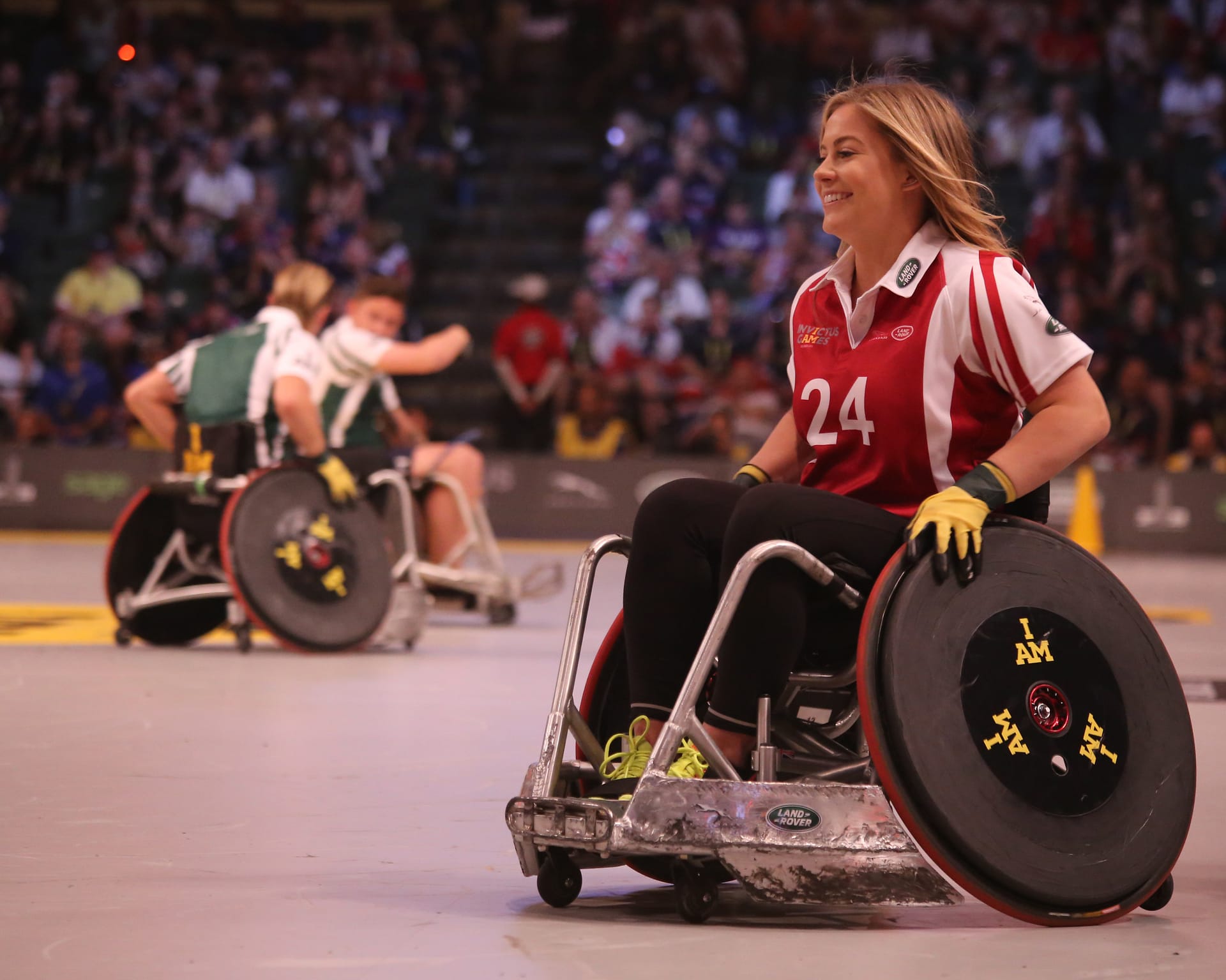
  • Rhinestones and Tears – A Call to Disability Advocacy

    Rhinestones and Tears – A Call to Disability Advocacy

    Guest columnist, lawyer with special needs focus, Shauna Collins

    Have you ever attended the Special Olympics, a disability resource fair, or maybe a softball game and been surprised to find yourself in tears?  I don’t mean when someone gets injured or suffers a disappointing finish – those tears are easily explained. The origin is a little less clear for the tears I’m talking about.

    I once attended a soccer match in which my niece was a star player, in her element and having a stellar game. Her mom was cheering her on wildly as always, but I was blubbering like a baby. I was perplexed but could neither stop nor pinpoint the source of the tears.

    I had a similar moment years ago when Dolly Parton passed by in her annual parade opening Dollywood for the season. Back then, I was mortified by my tearful response, and words fail to describe my husband’s alarm at my tear-filled reaction. He hadn’t always shared my conviction that “doing my work” in therapy was the best investment of family resources, but all comments on therapy bills ceased immediately. 

    Well, the tears poured again recently at a special needs softball game and yet again during a noisy lunch at Disability Day on the Hill in Nashville. 

    At the game, teams of players, diverse in abilities and skills, alternated cheers and groans. They exulted with hands in the air and expressed disappointment by shaking heads and stomping their feet. And as usual, our team geared up their trash-talking. They loudly announced plans to outdo each other, “show ‘em who’s boss,” “knock it out of the park,” and finally, “get ‘em next time.” Here my tears crept up again.

    My years of therapy have not been in vain, though. Well past any embarrassment at emotion taking me by surprise, I was able to get curious. Why did those same unstoppable tears come up when our team started egging on the opposition? Why did it feel just like seeing Dolly pass by that spring day long ago, rhinestones sparkling in the sun? What could these events possibly have in common? 

    Luckily, I had nine innings to ponder these questions, and here’s what I figured out:  

    The team felt they belonged. They belonged on this field, and they belonged to each other. They belonged to the Sertoma Center, a nonprofit providing services for adults with intellectual and developmental disabilities, and the Sertoma Center and its team belonged to them. They belonged to the wider community that is the Knoxville Parks and Recreation Dynamic Softball League, and that wider community – maybe the whole city – belonged to them. 

    And the staff and parents watching – we belonged to them too. And the gift of belonging to them was a big part of what I was born to be. Serving them and their community is a vital part of what I was born to do. Just like my niece on that soccer pitch – talented, trained, hard-working, determined – doing what she was born to do and doing it with all her heart. 

    Something similar stirred my tears at Disability Day on the Hill. We were focused on two things: increasing pay for direct service providers (“DSPs”) and defeating a bill that would have allowed harsh physical restraints by lightly trained staff on students with special needs. Low DSP pay has meant continual staff shortages and curtailed services. The proposed restraints were not only prohibited on neurotypical students but also refused as ineffective by the most highly trained crisis intervention specialists.

    While advocating for these changes, some lawmakers kept us waiting for scheduled appointments – and it’s no small matter to throw my son with autism off his schedule. Some politicians had not fully committed to our requests, but they had all ultimately listened and engaged with our son – always respectfully, but often even joyfully!

    We ultimately got what we asked for on both counts, but we didn’t know that when scores of people impacted by disabilities gathered for lunch that day. Challenges abounded, and the chaos and fear levels were as high as the noise. 

    No matter our political perspective, we all feel some brokenness in our society, and the stakes are even higher for people with disabilities and the families who love them. 

    But the lump in my throat that day wasn’t from a fear of the outcome or the dry turkey sandwich in our boxed lunches. We were together with our people, doing what we were meant to be doing, and doing it with all our hearts. Just like Dolly – fully and majestically herself, doing what she was born to do and doing it with all her heart, dang near all the dang time. 

    When a stringy-haired little girl from the Smoky Mountains started singing at church, no doubt many were impressed. Perhaps she only glimpsed all that was to come as she poured her gifts out into the world, but that glimmer was enough, joined with her absolute resolve, to see her potential realized. 

    I’ve come to embrace those moments when my tears arise at some sacred glimpse into human potential. Just like Dolly, we have the potential to become people and a society at our best, doing what we were meant to be doing – listening to each other, learning, and figuring it out together. 

    The disability community knows perhaps better than any other how to celebrate the individual while also valuing collective efforts. Given the skin we have in the game, it wouldn’t surprise me one bit for our community to lead the way – rhinestones, tears, and all!

    As a firm with a special needs focus, we don’t just focus on a special needs plan for our clients – as crucial as that is. We recognize the gifts that individuals with special needs provide to their families and their communities, and we embrace our shared responsibility to empower those individuals to live their best lives. Sharing that responsibility with our clients is an honor that we don’t take lightly. Sharing it with our society through disability advocacy is yet more sacred ground. 

    Take the Next Steps in Your Journey Today 

    We invite you to join us today in seeing our potential realized – as both individuals and as a society – in the ways best suited to your needs and gifts at this time. 

    First, if you love someone with a disability (including yourself) and want to ensure your family’s resources and legal planning are aligned to support that individual in realizing his or her potential, please schedule a complimentary call to learn about our heart-centered special needs planning process. We will gladly put our legal skills and knowledge to work in support of your own commitment and resolve to achieve your family’s goals. 

    If you’re ready to start your advocacy journey, support the Home and Community-Based Services (HCBS) Relief Act of 2023. The bill extends funding to address the DSP workforce crisis and move 650,000 people nationwide off waitlists and into services. Providing this support for employment, community integration, and care for disabled individuals is among the most meaningful choices we make as a society.

    And stay tuned right here, to our blog, for even more advocacy opportunities. We look forward to seeing you out there – and just in case, we’ll bring the Kleenex!

    This article is a service of Jeannette Marsala, Personal Family Lawyer. We don’t just draft documents; we ensure you make informed and empowered decisions about life and death, for yourself and the people you love. That’s why we offer a Life & Legacy Planning Session, during which you’ll get more financially organized than you’ve ever been before and make all the best choices for the people you love. You can begin by calling our office today to schedule a Life and Legacy Planning Session and mention this article to find out how to get this $750 session at no charge.

  • Holding Space for Grief: Ways to Comfort and Support A Loved One in Mourning

    Holding Space for Grief: Ways to Comfort and Support A Loved One in Mourning

    Losing a loved one is an incredibly challenging experience, and the journey through grief can be both complex and overwhelming. Unfortunately, we all experience grief at one time or another, and knowing how to manage your own grief and how to be there for others who are grieving is an important skill that can improve your life and relationships.

    We understand that our role extends beyond legal matters. In times of loss, it’s crucial to provide comfort and support to those grieving, and when they’re ready, guidance for the steps ahead.

    In this blog, we explore practical and heartfelt ways to hold space for your loved ones who are mourning.

    01 | Express Empathy

    When someone is grieving, the simple act of expressing empathy can provide immense comfort. Let your loved one know that you’re there for them, ready to listen without judgment. Phrases like “I’m here for you,” or “I’m so sorry for your loss” can make a significant impact. 

    If you have also lost a loved one, consider relying on your own experience to relate to their feelings and encourage the person that they will make it through this. Just be mindful to keep the focus on their feelings, as everyone experiences the emotions of loss differently.

    If you aren’t sure what to say or aren’t able to be with them physically, a heartfelt card or a handwritten note can convey your sympathy in a tangible and lasting way. Being present on a telephone call can also be extremely comforting. Even if your loved one doesn’t want to talk, just being together in silence can help. 

    02 | Create a Safe Environment

    Grief is a personal journey, and everyone copes differently. Some may need solitude, while others seek companionship. Respect your loved one’s grieving process and offer support tailored to their needs.

    Grieving individuals often need a safe space to express their feelings without fear of judgment. Encourage open communication and let your loved one know that it’s okay to feel a range of emotions. Avoid offering unsolicited advice and instead provide a listening ear. 

    Sometimes, just being present and allowing them to share memories or express their pain can be incredibly therapeutic. 

    If your loved one doesn’t feel like talking or being around others, don’t push them. Leave them a message of support and give them space. Check in with them only if you haven’t heard from them in an unusual amount of time based on your relationship with them.

    Be patient and understand that the stages of grief are unique to each individual. Even if your loved one is feeling better, they will likely have days or weeks where they will feel overwhelmed by grief again. Offer comfort in these moments without trying to change how they feel.

    03 | Offer Practical Help

    During times of grief, even daily tasks can feel insurmountable. Offering practical help, such as preparing a meal, running errands, or assisting with household chores, can make a world of difference to someone in mourning. Small gestures can alleviate the burden on your loved one, allowing them the time and space they need to navigate their emotions.

    If your loved one is grieving for their spouse, they may be at a loss for how to manage their finances or other daily tasks that their partner normally would have handled. Offer to help them pay their bills, set up memorial arrangements, or inform your other relatives about the loss. If your loved one has children to care for, offer to watch their kids for a while, pick them up after school, or help with homework. 

    Where you’re able, try to assist your loved one as part of a routine or ritual. Establishing routines can provide a sense of stability amid grief. This could be as simple as giving them a weekly phone call to check in, a monthly visit to a special place, or inviting them over for dinner every Sunday. The consistency and socialization these routines bring can offer a source of connection and help ease the depression that comes with loss.

    Ease The Burden of Loss on Your Family By Planning Ahead

    In times of grief, the support of friends and family is crucial. But the best way to alleviate some of the stress and anxiety that comes with the loss of a loved one is to create a plan ahead of time. By doing so, everyone you love will know exactly what you want to happen if you become incapacitated or die, and the care of your assets, bills, and loved ones will be handled quickly and smoothly by the people you trust.

    Even more importantly, your loved ones will have our support to walk them through any necessary legal steps they need to take during the mourning process.

    To learn more about how we can help you create a plan that will provide guidance, comfort, and ease for your loved ones after your death or incapacity, schedule a complimentary call with our office.

    We would be honored to be there for your family.

    This article is a service of Jeannette Marsala, Personal Family Lawyer. We don’t just draft documents; we ensure you make informed and empowered decisions about life and death, for yourself and the people you love. That’s why we offer a Life & Legacy Planning Session, during which you’ll get more financially organized than you’ve ever been before and make all the best choices for the people you love. You can begin by calling our office today to schedule a Life and Legacy Planning Session and mention this article to find out how to get this $750 session at no charge.

  • Have Unused 529 College Savings? Roll Them Into a Roth in 2024

    Have Unused 529 College Savings? Roll Them Into a Roth in 2024

    In December 2022, Congress passed the SECURE 2.0 Act, bringing significant changes to the world of retirement savings and student loans. Two key parts of the Secure 2.0 Act are set to take effect in 2024, and they could substantially impact your family’s financial future. 

    In this blog, we explain how the new law affects your unused 529 college savings account and what that means for your future savings.

    You Can Now Roll 529 College Savings Into A Roth IRA

    A 529 college fund is a tax-advantaged savings account that is designed to help families save for their children’s college education. With the SECURE 2.0 Act, Congress expanded the ways you can use these accounts by introducing a new rollover option, which is especially helpful if the beneficiary has money left over after their education is complete.

    Starting in 2024, a 529 plan account beneficiary will have the opportunity to roll over up to $35,000 from your 529 college savings plans into a Roth IRA – and the best part is it’s tax and penalty-free.

    But there are some rules you’ll need to follow to take advantage of this retirement fund boost:

    01 | Annual and Lifetime Contribution Limits

    Any rollover from your 529 account is subject to annual Roth IRA contribution limits. For example, if in 2024 the Roth IRA contribution limit remains the same as in 2023 ($6,500 for individuals under 50), you can roll over an amount up to this limit, including yearly contributions withheld from your income. There is also a rollover contribution limit of $35,000 over your lifetime.

    02 | The 15-Year Rule

    To qualify for tax and penalty-free rollovers, the 529 plan must have been open for at least 15 years. This 15-year clock starts ticking from the day the 529 plan was initially opened, usually by a parent or grandparent. It’s crucial to remember that changing the beneficiary of the 529 plan at any point may potentially restart this 15-year clock.

    03 | 5-Year Rollover Blackout

    Funds that were contributed to your 529 plan within five years of the rollover date cannot be rolled over. Only contributions made outside of this five-year window are eligible. But you can continue to rollover funds as time goes on and the 5-year window moves farther away from the most recent contributions.

    Here’s an example of how these rules work in real life: Imagine your mother opened a 529 account for you in 2001. She contributed money to the account every year for 20 years, through 2020. When you graduated college in 2022, there were some funds left in the 529 account. You want to roll over these funds into a Roth IRA on January 1, 2024.  

    In this scenario, the account has been open for at least 15 years, so you can roll over funds into a Roth IRA, up to the annual contribution limit of $6,500 per year. But the funds you roll over from the 529 cannot include funds your mother contributed in the 5 years before your rollover date of January 1, 2024. That means you can’t roll over funds contributed to the 529 account between January 1, 2019 and January 1, 2024. 

    Let’s look at another example: Your father opened a 529 college savings account for you in 1998 and contributed money to it every year until your graduation from trade school in 2015. Since graduation, you and your employer have contributed a total of $3,000 to your retirement account this year. There is $10,000 left in the account and you want to roll over the funds into a Roth IRA on January 1, 2024. 

    In this example, the account has been open for more than 15 years and all of the funds in the account were contributed to it more than five years ago, so all of the funds are eligible for a rollover. However, you can only contribute up to $6,500 to your retirement accounts annually. Because of this, you can only roll over a maximum of $3,500 from your 529 account into your Roth IRA this year if you or your employer don’t make any more contributions to your retirement this year. After the rollover, you’ll have $6,500 in your 529 account at the end of 2024.

    In 2025, you’ll be able to roll over the remaining $6,500 from your 529 into your Roth IRA (if you make no other contributions from your income that year). 

    An Extra Bonus For Grandparent-Owned Accounts

    In order to be considered for federal financial aid, students must disclose their personal and family financial information on the Free Application for Federal Student Aid (FASFA). Funds in a 529 account created by a parent are counted as a financial asset of the student on the FAFSA application.

    But funds in a 529 account owned by a grandparent or other third party have never been counted as an asset for FAFSA purposes. Only money withdrawn from the account is considered untaxed income of the student which FAFSA considers in its application review.

    The big news is that with the new Secure 2.0 Act, any withdrawals from a grandparent-owned 529 for education expenses will no longer be considered untaxed income of the student, which means the funds will not hurt the student’s eligibility for federal aid.

    Planning for What’s Really Important

    While you take steps to secure your financial future, don’t forget to protect everything you’ve worked so hard to build. Your retirement savings is likely the largest asset you own, and making sure it’s managed and passed on in the best way possible is essential for your well-being and the future well-being of those you love.

    To make sure there’s a plan for your future, give our office a call. We’d be honored to learn more about your goals for your family and share with you the unique process we use to ensure everything you own and everyone you love is cared for, no matter what.

    Schedule a free 15-minute discovery call to get started.

    This article is a service of Jeannette Marsala, Personal Family Lawyer. We don’t just draft documents; we ensure you make informed and empowered decisions about life and death, for yourself and the people you love. That’s why we offer a Life & Legacy Planning Session, during which you’ll get more financially organized than you’ve ever been before and make all the best choices for the people you love. You can begin by calling our office today to schedule a Life and Legacy Planning Session and mention this article to find out how to get this $750 session at no charge.

  • How to Talk Money With Your Family Over The Holidays

    How to Talk Money With Your Family Over The Holidays

    The holidays are right around the corner, which means more time to gather with family and relatives than any other time of the year. If you’ve been meaning to talk to your family about money, inheritance, end-of-life decisions, estate planning, and creating a plan for your whole family’s wealth – now and in the future – having everyone in the same room is ideal. 

    But asking your relatives how they want their assets handled when they die or if they become incapacitated might not go over well while opening presents or carving a turkey. 

    To keep your family from feeling blindsided and to make the most of your conversation, consider the following three tips.

    01 | Share Your Intention Ahead of Time

    Many people feel uncomfortable talking about their finances. They may have grown up in a family where money talk was considered taboo or perhaps they simply don’t want the details of their finances to create family tension. Some people also feel like talking about estate planning and making a plan for their money is plain bad luck (but we’re happy to report that planning for your assets doesn’t increase your chance of dying, as you’ve already got a 100% chance of death, but it does increase your chances of leaving behind a happy, well-adjusted family). 

    To help your loved ones feel at ease, don’t bring money talk up for the first time while the family is gathered around the TV watching football. Instead, approach the topic weeks ahead of time if possible.

    If you have regular visits or phone calls with your loved ones, let them know you’ve been thinking about creating a plan for your own money and the care of the family in case something happens to you. Casually mentioning that it’s on your mind will help plant the seed for a future conversation with your loved ones and likely get them thinking about their own plan or lack of a plan. 

    As your family gathering approaches, bring up the subject again, this time with more intention and detail. Consider asking the host of your family gatherings, whether it’s your sibling, parent, or adult child when the best time would be to have an all-family conversation about money for 90 minutes. Schedule it and let everyone know that you’ve got something meaningful planned.

    If the host pushes back against the idea, respond with curiosity about their experience, what they feel apprehensive about, and if there’s a way that you could mitigate their apprehension perhaps by speaking with other family members in advance. 

    If you’ve already completed your own planning, use your experience as a springboard for the conversation. More on this below.

    02 | Set Aside a Time and Place to Talk

    Discussing money while opening Christmas gifts isn’t likely to have the results you want. Your best bet is to schedule a time to gather to talk without distractions or interruptions.

    Be upfront with your family about the meeting’s purpose so no one is taken by surprise and so they come prepared for the talk. Choose a setting that’s comfortable, quiet, and private. The more relaxed everyone is, the more likely they’ll be comfortable opening up.

    Begin by sharing the context of why it’s important to you that your family begin having conversations about money, life, and death. You may even want to share that the topic is uncomfortable for you, but that it’s important enough that you’re willing to be uncomfortable because you know these conversations can bring your family closer together, create more family resilience, and ensure you’re all financially well-cared for. 

    Finally, as part of setting context, set a start and stop time for the conversation. Remember, the goal is to simply get the conversation started, not work out all of the details or dollar amounts, so don’t expect this to be the one and only conversation you have – it’s a start.

    03 | Share Your Planning Experience  

    If you’ve already created your own plan, and it included an inventory of your assets, a look at what’s enough, and what would happen to it all when something happens to you (which is what we do during our first Planning Session with you), you can start by explaining how you felt during the process, how easy it was, and how you feel now knowing that your assets and loved ones will be cared for the way you want if something happens to you. 

    If you’ve worked with us, describe how the process unfolded and how we supported you to create a plan designed for your unique wishes and needs.

    Share any concerns or doubts you initially had about planning and how we worked with you to address them. If you have loved ones who’ve yet to do any planning and have doubts about its usefulness, empathize with them in a supportive and understanding way, and share your own journey learning the benefits of planning for your money and your wishes.

    If you haven’t created a plan yet, or have doubts about a plan you created with another attorney, be open about why you want to create a plan for your life and death, such as a desire to avoid family conflict, to ensure that a child, disabled relative, or senior parent is cared for in the future, or to build generational wealth and a legacy for your family. Focus on the benefits that planning will have for both your immediate family and your extended family as a whole.

    Bringing Families Together

    Talking to loved ones about money and estate planning can be difficult, but we can guide and support you in having these intimate discussions with your loved ones. When done right, planning can put your life and relationships into a much clearer focus and offer peace of mind knowing that your assets will be protected and that the people you love most will be provided for no matter what. 

    If you’ve already created a plan with us, be sure to share our library of blog resources with your loved ones. If you haven’t created your own estate plan, doing so before you talk with your family can help your loved ones be more open to the idea and can help them see the incredible benefit of planning from one of their own family members.

    Schedule a complimentary call with us to learn more.

    This article is a service of Jeannette Marsala, Personal Family Lawyer. We don’t just draft documents; we ensure you make informed and empowered decisions about life and death, for yourself and the people you love. That’s why we offer a Life & Legacy Planning Session, during which you’ll get more financially organized than you’ve ever been before and make all the best choices for the people you love. You can begin by calling our office today to schedule a Life and Legacy Planning Session and mention this article to find out how to get this $750 session at no charge.

  • Transition to Adulthood: What Happens Legally When My Child Turns 18?

    Transition to Adulthood: What Happens Legally When My Child Turns 18?

    Soon after the challenges of puberty and the excitement of high school, an even larger milestone looms: the 18thbirthday. It marks your child’s transition from childhood to adulthood, and with it new responsibilities and rights. From a legal standpoint, this milestone also brings significant changes that every parent should be aware of. 

    In the eyes of the law, an individual is considered a legal adult at the age of 18. This means that your child gains certain rights and privileges, including the ability to enter into contracts, vote, buy property, and make medical decisions for themselves. While this newfound independence is a crucial part of growing up, it can also pose challenges for parents, especially when adult children need their parents’ help or need someone to make decisions on their behalf.

    In this blog post, we’ll explore what happens legally when your child turns 18, what it means for your ability to make legal, financial, and healthcare decisions on their behalf, and what tools you’ll need for a smooth transition to adulthood.

    How The Law Changes Your Role As A Parent

    On the day your child turns 18, your ability to make legal, financial, and healthcare decisions for them essentially disappears in a blink. To give you a sense of how impactful this can be, if your now 18-year old or older child is hospitalized and unable to communicate their wishes, healthcare providers won’t even legally be able to share your child’s medical information with you. Similarly, financial institutions won’t permit you to access your child’s accounts or make financial decisions on their behalf without their consent – or unless you’re a co-owner of their accounts.

    This shift in decision-making authority can feel unsettling and can be particularly challenging if your child is still financially dependent on you, is in a medical emergency, or requires assistance in managing their affairs due to a disability. Thankfully, there are legal tools that can help parents and young adults navigate these new challenges.

    Have Their Back With Powers of Attorney

    A power of attorney is a legal tool that allows your child to designate the person they choose to make legal or healthcare decisions on their behalf. There are two common types of powers of attorney that can be valuable in this situation: a general durable power of attorney and a power of attorney for healthcare.  

    A general durable power of attorney allows your child to appoint someone to manage their financial affairs in the event they become incapacitated or if they just want help managing their finances. With this in place, you can continue to assist your child with financial matters, even after they turn 18.

    The important thing to remember however is that not every financial institution will honor a power of attorney, so while every adult should have this legal tool, it’s important to check with your specific institution and possibly set up your child’s accounts in a different way to ensure you have immediate access to them if needed. We’d be happy to discuss which options are best for you and your adult child.

    A power of attorney for healthcare grants someone the authority to make medical decisions on your child’s behalf if they’re unable to do so, such as medication and treatment options, nutritional needs, and life-support measures. This is crucial to ensure that your child receives the care they want, even if they cannot communicate their preferences.

    Only your child can put these measures in place, but encouraging them to create these legal documents is a proactive step in maintaining your ability to assist them when they need it most. 

    Stay Informed With a HIPAA Waiver

    The Health Insurance Portability and Accountability Act (HIPAA) is a federal law that protects the privacy of individuals’ medical records. Once your child turns 18, their medical information is protected under HIPAA, and healthcare providers are prohibited from disclosing it to anyone without the patient’s explicit consent – parents and family members included.

    To maintain access to your child’s medical information, they must complete a HIPAA waiver. This document permits healthcare providers to share medical information with individuals specified in the waiver, such as parents or trusted family members. 

    Having a HIPAA waiver in place can be invaluable during medical emergencies when swift access to medical records is critical. It can also be a valuable tool for young adults who may simply appreciate a parent’s ability to speak to their doctors when they aren’t feeling well or are overwhelmed with the demands of work, college, or both.

    Support Their Journey Into Adulthood Through Open Communication

    Transitioning to adulthood is a significant step for both parents and children. While legal documents such as powers of attorney and a HIPAA waiver are essential, it’s equally important to have open and honest conversations with your child about their wishes and the responsibilities that come with adulthood.

    Discuss their healthcare preferences, financial decisions, and their expectations from you as a parent. Encourage them to consider creating these legal documents not only for your peace of mind but also for their own protection.

    We invite you to reach out to our firm at any time, but if you have a teen who is approaching adulthood, reach out to us right away to ensure your child has the legal support and protection they need no matter what adulthood brings. 

    If you aren’t sure how to talk with your adult child about these legal tools, we can help you start the conversation from a place of love, compassion, and collaboration.

    Schedule a complimentary call today to get started.

    This article is a service of Jeannette Marsala, Personal Family Lawyer. We don’t just draft documents; we ensure you make informed and empowered decisions about life and death, for yourself and the people you love. That’s why we offer a Life & Legacy Planning Session, during which you’ll get more financially organized than you’ve ever been before and make all the best choices for the people you love. You can begin by calling our office today to schedule a Life and Legacy Planning Session and mention this article to find out how to get this $750 session at no charge.

  • The Scary Truth: Naming Godparents Does Not Create Legal Guardians

    The Scary Truth: Naming Godparents Does Not Create Legal Guardians

    As a parent, your top priority is the well-being and future of your children. You plan for their education, health, and happiness, and often this planning includes the tradition of choosing godparents to guide and mentor your children if something happens to you.

    While selecting godparents is a meaningful tradition in many cultures, it’s important to understand that naming a godparent is not the same thing as naming a legal guardian for your children.

    To put it bluntly, even if you have named godparents, if something happens to you, your children could end up in the care of strangers, child protective services, or in the long-term care of someone you would never want raising your children.

    In this blog, we’ll explain the roles of a godparent and legal guardian and how to ensure your kids are always cared for by the people you choose – no matter what.

    Godparents 

    A godparent is traditionally someone you name to watch over your child and help them live according to your morals and values. Godparents are meant to be mentors and role models, guiding your child in matters of faith, morality, and character. The role of a godparent is deeply rooted in religious and cultural traditions, and they often participate in religious ceremonies such as baptisms or confirmations.

    Whether your family is religious or not, godparents may also play a supportive role in your child’s life by offering emotional support, advice, and friendship. They can be someone your child can turn to for guidance and a listening ear, but their responsibilities are largely informal and non-legal.

    Legal Guardians

    In contrast, naming a legal guardian for your child is a formal, legal process. A legal guardian is someone who has the legal authority to make decisions on behalf of your child, especially if you, as the parent, are unable to do so. This could occur due to your passing, incapacity, or any situation in which you cannot provide care or make important legal, financial, healthcare, or education decisions for your child.

    The responsibilities of a legal guardian encompass every area of your child’s life that you would normally manage as a parent. This includes everything from feeding and clothing your child to deciding where they go to school, attending parent-teacher meetings, and which extracurricular activities they participate in. Legal guardianship also includes the decisions about where your child lives and what medical treatment they should or should not receive.

    A legal guardian may also help manage your child’s financial assets and resources, ensuring their financial well-being. In some cases, if you’ve planned ahead, you may choose to have a different person act as a financial trustee of the assets you leave for your child, and your chosen trustee will work alongside the legal guardian to ensure your child is financially supported. In some cases, your guardian and trustee may be the same person. This is a decision we can help you make during a Life & Legacy Planning Session, based on the specifics of your family dynamics.

    Why Naming Godparents Isn’t Enough

    While godparents may be deeply caring and involved in your child’s life, they have no legal authority to make decisions for your child unless they’re officially appointed as a legal guardian by the court. That means that until that happens, (if it happens) your child’s godparents aren’t legally able to make any decisions for your children, including their basic care needs, education, and medical care. 

    If you become incapacitated or die, and haven’t legally nominated a guardian (and, ideally, more than one, which is one of the 6 common mistakes families and even lawyers make when naming guardians), there could be a complex and expensive custody dispute among your family members. Grandparents, aunts, and uncles may assume you would want your children to live under their care rather than the people you named as godparents. This is especially likely if the people you’ve named as godparents aren’t related to you by blood or marriage. 

    Without a legal guardian designation in writing and signed with the formalities of a will, godparents may find themselves in an expensive court battle over custody rights, and they may not even be named as the legal guardians of your children at all. In fact, the court could name someone you would never want raising your kids as their legal guardian.

    Life-long Legal Protection for Kids

    While godparents hold a significant place in your child’s life as mentors and role models, they don’t possess the legal authority to make critical decisions for your child or provide for your child’s physical and financial well-being on their own. 

    Instead, consider combining the roles of godparents and legal guardians into one. If you’ve already chosen people you trust to serve as lifelong role models and spiritual guardians for your children as their godparents, why not give those people the legal authority to truly perform those duties if something happens to you?

    If you aren’t sure who the best guardian or godparent is for your children, we can help. We’ll walk you through a heart-centered process for choosing guardians who genuinely care for your child’s well-being and share your values. Plus, we’ll ensure they have the financial and legal tools needed to give your child the best life possible if you can’t be there.

    The best way to keep your children safe and secure is to create a comprehensive Kids Protection Plan that keeps your children in the care of the people you choose in any situation, out of the care of anyone you wouldn’t want, ensures your children can receive prompt medical care, and that the authorities know who to contact in an emergency so your children are never placed in protective custody – even for a minute.

    To learn more and get started today, schedule a complimentary call with my office.

    This article is a service of Jeannette Marsala, Personal Family Lawyer. We don’t just draft documents; we ensure you make informed and empowered decisions about life and death, for yourself and the people you love. That’s why we offer a Life & Legacy Planning Session, during which you’ll get more financially organized than you’ve ever been before and make all the best choices for the people you love. You can begin by calling our office today to schedule a Life and Legacy Planning Session and mention this article to find out how to get this $750 session at no charge.

  • Year-End Tax Planning Starts Now: 8 Things To Do Now to Lower Your 2023 Taxes – Part 2

    Year-End Tax Planning Starts Now: 8 Things To Do Now to Lower Your 2023 Taxes – Part 2

    Last week we looked at four different ways to lower your tax liability for 2023, from adjusting your tax withholding to strategically planning your medical procedures. In this week’s blog, we discuss four more tax-saving methods you can use right now to owe fewer taxes come April 2024. 

    Make Charitable Gifts

    Giving back to your community or supporting causes you care about is not only rewarding but can also provide tax benefits if your family’s tax deductions are close to exceeding the standard tax deduction. 

    The standard deduction for 2023 is $12,950 for individuals and $25,900 for married couples filing jointly. Remember that the total of your itemized deductions, including charitable contributions, must exceed the standard deduction for your filing status to provide a tax benefit. 

    If you’re nearing the top of the standard deduction threshold, this year may be a great time to contribute to a charitable organization that’s important to you. Doing so will help support a good cause and allow you to make itemized deductions for an extra reduction in your taxable income for the year.

    If you make any charitable donations, keep detailed records of your donations, including receipts and acknowledgments from the charities. If you donate non-cash items (such as clothing or household goods), make sure to document their fair market value. 

    If you aren’t sure how to document your donations or aren’t sure if a charitable donation will be advantageous to you this year, be sure to discuss this with your tax professional.

    Consider Tax-Loss Harvesting

    Tax-loss harvesting is a strategy designed to offset capital gains by selling underperforming investments. This technique can help you minimize the taxes you owe on your investment gains. 

    The first step is to identify investments in your portfolio that have experienced losses and then sell those investments to realize the losses. After all, you haven’t actually lost or gained capital until the money enters or leaves your portfolio.

    By selling underperforming investments, you can now use the lost capital to offset any capital gains from other investments that are doing well. Losses can be used to offset up to $1,500 for individuals filing separately or up to $3,000 for couples filing jointly.

    It’s important to remember that there are rules and limitations when it comes to tax-loss harvesting. Consult with a financial advisor or tax professional to ensure you execute this strategy correctly and in a way that aligns with your overall financial goals.

    Pay Your January Mortgage Payment in December

    If you’re a homeowner with a mortgage, making your January mortgage payment in December can provide a valuable tax advantage. Mortgage interest is deductible on your income tax return, and prepaying your January mortgage payment in December gives you an extra month of interest to deduct on your 2023 taxes.

    However, before implementing this strategy, check with your mortgage lender to ensure that they apply the payment correctly. Some lenders may automatically apply extra payments to your principal balance rather than counting them as interest for the next month.

    Max Out Your IRA (Individual Retirement Account) or Roth IRA

    Retirement planning is crucial for long-term financial security, and IRAs are excellent vehicles for saving for your golden years. For the 2023 tax year, the maximum contribution limit for both traditional and Roth IRAs is $6,500, with an additional $1,000 allowed for those aged 50 or older. It’s essential to understand the differences between these two types of IRAs to choose the one that suits your needs best.

    Traditional IRA contributions may be tax-deductible, potentially reducing your taxable income for the year. However, withdrawals in retirement are subject to taxation.

    Roth IRA contributions are made with after-tax dollars, so they don’t provide an immediate tax deduction. However, qualified withdrawals in retirement are entirely tax-free.

    By maximizing your contributions to your IRA of choice, you can secure a more comfortable retirement and possibly reduce your tax liability for this year.

    The Foundation of Life-Long Support and Security

    Proactive year-end tax planning can significantly impact your financial well-being. By implementing these eight tax-saving strategies, you may be able to keep more money in the bank and take a step toward a brighter financial future. 

    But good money management is only one part of the equation for a life you love and a legacy that will guide and support your family for generations to come. 

    Making the best strategic decisions to protect your family’s health, finances, and happiness is equally, if not more, important. If you want to make sure that both your financial and personal life are in order today and structured to give your family the best support possible tomorrow,  give us a call.

    We would be honored to help you protect everything you own and everyone you love through our heart-centered estate planning services.

    This article is a service of Jeannette Marsala, Personal Family Lawyer. We don’t just draft documents; we ensure you make informed and empowered decisions about life and death, for yourself and the people you love. That’s why we offer a Life & Legacy Planning Session, during which you’ll get more financially organized than you’ve ever been before and make all the best choices for the people you love. You can begin by calling our office today to schedule a Life and Legacy Planning Session and mention this article to find out how to get this $750 session at no charge.

  • From ‘I Do’ to ‘What If’: Estate Planning Must-Do’s for Newlyweds – Part 2

    From ‘I Do’ to ‘What If’: Estate Planning Must-Do’s for Newlyweds – Part 2

    < Read Part 1

    Getting married and starting a new chapter in your life is an exciting time. It’s also a time that requires a lot of housekeeping such as updating your address if your marriage includes a move, changing your tax filing status with your employer, and adding your new spouse to your bank and credit card accounts. 

    But did you know that creating (or updating) your estate plan should also be on your post-wedding to-do list? 

    Last week we started to explore the key estate planning components every newlywed couple needs to protect their rights, wishes, and plans for their assets now and in the future. This week, we’re continuing the conversation with three more estate planning must-do’s for newlyweds.

    04 | A Living Trust

    Are you surprised to see a trust on our list before a will? Here’s why a trust is next on your to-do list. If you’re newly married, there’s a strong likelihood that you’re relatively young in your life and your career, which means there will be many changes in your assets, family, and wishes as the years go by.

    Or you might be re-marrying or getting married later in life and already have a well-established home, financial portfolio, and family that you’re now combining with your partner’s life. 

    In either situation, you’re in a position of blending your life as a single person with the life and wishes of someone else, and the best way to make sure your wishes for your assets and your new family are honored during your lifetime and after your death is to legally document them through a trust.

    With a will, assets must first pass through a court process known as probate before they can be transferred to your spouse or any other beneficiary. But once probate is completed, your loved ones can do whatever they want with the assets they received from you through your will. The purpose and power of your will ends when probate ends.

    The court probate process required for wills can take months or even years to complete, and can often lead to ugly conflicts between your spouse and other family members. Plus, a will only governs the distribution of assets upon your death that aren’t already covered under your trust or by your beneficiary designations.

    With a trust, no court involvement is needed, and you can set parameters for how you want your assets distributed over a predetermined amount of time. For example, if you have children or plan to, you can ensure the assets are safeguarded in the trust until your children reach a certain age. If you have children from a prior relationship, you can also make sure that your new spouse is financially supported by your assets during their lifetime but that your remaining assets will be returned to your children after your new spouse’s death instead of going to your spouse’s side of the family.

    Having a trust hold your children’s inheritance can also help eliminate conflict between step-siblings and between your children and your spouse. Even if your children are adults, leaving their inheritance in a trust can help avoid family conflict and provide them with a lifetime of asset protection from creditors and lawsuits.

    Finally, using a trust as the main vehicle to distribute your assets during your incapacity and after your death allows you to design a custom plan for what happens to your assets far into the future, ensuring that the goals you have for your loved ones are nourished and that your assets are carefully managed and protected even after you’re gone. You can do this by creating contingencies and incentives in your trust that encourage your heirs to behave in certain ways. For example, for your sibling to receive their inheritance, you could require that they seek drug counseling first, or that your children pursue a course of study before receiving a distribution of income from the trust.

    05 | A Will

    A will allows you to designate who should receive any assets of yours that aren’t already included in your trust or directed by beneficiary designations. Ideally, your trust will include all of your assets. But, if you forget to add an asset to your trust, a will ensures that the forgotten asset is “poured over” into your trust and included under its terms for how you want your assets to be distributed and managed.

    If you don’t have a trust, your will designates who will receive your assets through the court probate process. Your will may also direct any charitable donations you want to make and can be used to create a trust upon your death if the circumstances call for it- such as if one of your heirs is disabled at the time of your death.

    Even if you don’t think you need a will because you don’t have many assets or have other estate planning pieces in place, having a will as a backup or “pour-over” tool is an essential part of your estate plan. Plus, depending on state law and whether or not you have children, your assets may not get divided according to your wishes if you don’t have a will, so it’s always a good idea to create one (or update your old one) when you get married. 

    06 | Legal Guardians for Your Minor Children

    Finally, if either you or your spouse have minor children from a prior relationship, or if you’re planning to have kids of your own soon, it’s crucial that you select and legally document guardians for your children. Guardians are people legally named to care for your children in the event that you or your spouse die or become incapacitated. 

    To make sure your children are never left in the care of strangers for even a minute, it’s crucial to name both long-term and short-term legal guardians for your kids. That way, someone you trust will always have the authority to be with your children during a short-term emergency or a long-term situation.

    Don’t assume that just because you have named godparents or have grandparents living nearby that they will automatically have the authority to care for your children if you can’t. The only way to ensure that your children are cared for by the people you would want is to name guardians in a legal document. Otherwise, you risk creating needless conflict between family members and a potentially long, expensive court process for your loved ones.

    Planning for a Lifetime of Happiness

    If you’re newly married or are planning to be married soon, I wish you true happiness in your marriage and your new life ahead, and I truly want to help you protect the dream and future you are building with your new spouse. With the excitement of your wedding coming to an end, now is the best time to create an estate plan for your new family, and it may even be the most crucial time to create a plan for them. 

    We often think that incapacity and death simply don’t happen to newly married couples, but unfortunately, no one can predict the future. If an illness or tragedy does strike you or your new spouse, the ramifications of not having an estate plan in place can be even worse than for a couple who has been married for a long time.

    No matter the stage of your relationship or marriage, I can help make sure your spouse and family are protected and cared for now and for years to come. Through our Life & Legacy Planning Session process, I’ll guide you from the heart on the estate planning questions and decisions that are essential for your family’s well-being and that feel comfortable to you.

    To learn more about how I can help protect your family’s future, schedule a free 15-minute discovery call today

    Here’s to a very happy ever after. 

    This article is a service of Jeannette Marsala, Personal Family Lawyer. We don’t just draft documents; we ensure you make informed and empowered decisions about life and death, for yourself and the people you love. That’s why we offer a Life & Legacy Planning Session, during which you’ll get more financially organized than you’ve ever been before and make all the best choices for the people you love. You can begin by calling our office today to schedule a Life and Legacy Planning Session and mention this article to find out how to get this $750 session at no charge.

>