Category: Elder Law

  • What Caregivers Need to Know About Estate Planning for a Loved One With Dementia – Part 2

    What Caregivers Need to Know About Estate Planning for a Loved One With Dementia – Part 2

    Last week, we started our discussion on estate planning for a loved one with a dementia diagnosis and what this means for their ability to protect their wishes through an estate plan. We covered: 

    • What it means to have mental capacity or be incapacitated
    • How dementia affects capacity for estate planning purposes
    • The essential estate planning tools a person with dementia needs to create right away

    However, as dementia progresses, estate planning must become more proactive and strategic than ever to avoid court and conflict over your loved one’s wishes in the future. If dementia becomes too advanced before planning is complete, the question of who will manage your loved one’s assets and care will be left to a judge who doesn’t know your loved one or their wishes.

    Keep reading to learn what steps need to be considered when estate planning for someone with more advanced dementia.

    Seek a Cognitive Evaluation

    If your loved one’s cognitive capacity is in question, seeking a professional evaluation is a prudent and proactive step in the estate planning process. Schedule an appointment with your loved one’s primary care physician or a specialist in dementia care to assess their mental state and make a recommendation on your loved one’s ability to make estate planning decisions.

    During this evaluation, the medical professional will talk to your loved one and ask them questions about their everyday life, how aware they are of their circumstances, and what they would do in certain situations, such as if a stranger came to the door or if a pipe burst in their home. 

    Your loved one doesn’t need to remember every detail about their life for the evaluation to be beneficial. The professional will be most concerned with your loved one’s ability to analyze a scenario and make a thoughtful decision on how to respond. For example, your loved one may not remember what day of the week it is but may remember they shouldn’t open the door for a stranger.

    Receiving a report from your loved one’s doctor stating they have the cognitive ability to make estate planning decisions (at least when they’re in a lucid state) protects their ability to make decisions for their finances and healthcare, and dissuades any future debate from third parties as to whether your loved one had the ability to make a plan in the first place.

    Encourage Private Meetings Between Your Loved One and Their Lawyer

    It may be second nature to help your loved one with appointments, especially if hearing and memory troubles make it difficult for your loved one to follow along. But as much as possible, allow your loved one to meet with their lawyer independently. A private meeting between your loved one and their lawyer will provide them with the opportunity to express their wishes without external influence. 

    Even if you have your loved one’s best intentions at heart and they would prefer to have you present during the meetings, encouraging your loved one to have private conversations with their lawyer when possible helps avoid questions about whether or not you influenced their estate planning decisions.

    If it isn’t feasible for your loved one to have an entire meeting with their lawyer alone, make sure they at least have opportunities to talk to their attorney in private by leaving the room while your attorney confirms their wishes.

    Be sure to document every time your loved one meets alone with their lawyer and ask their lawyer to document it as well. 

    Make Sure Their Estate Plan Is Executed Carefully

    Unfortunately, errors that occur at the time an estate plan is signed are common. Every state has different laws for how estate planning documents are executed, how they can be signed, and what witnesses or notaries are required to make the document binding. 

    If your loved one’s plan isn’t executed properly, it can result in your family needing to involve a judge to determine whether the estate plan is still valid. This also creates an opportunity for family members to question whether your loved one had the mental capacity to create the plan at all.

    It’s also essential to document your loved one’s capacity at the time the estate plan documents are signed. Make sure that their lawyer reviews the documents carefully with your loved one before they sign them, that the documents reflect your loved one’s wishes, and that your loved one is creating the plan of their own free will.

    If you have any concerns about other family members questioning your loved one’s estate planning decisions or mental state at the time, ask your loved one and their attorney if they could record the signing meeting to dispel any claims that your loved one was coerced into planning or didn’t know what they were signing. 

    Conclusion

    If your loved one received a dementia diagnosis and hasn’t addressed their legal matters, don’t despair – but act fast. Even in the advanced stages of dementia, individuals may have moments when they can participate in decision-making and estate planning. But, due to the progressive nature of dementia, time is of the essence for your loved one to create an estate plan, and the sooner they plan, the easier it will be for them to get the help they need as their condition progresses.

    In cases where your loved one’s capacity is severely diminished and estate planning hasn’t been completed, your family will need to pursue a court guardianship. This legal arrangement involves a court appointing a legal guardian who assumes responsibility for making decisions on behalf of the person with dementia. This process can be stressful, and it’s possible the court will appoint someone your loved one never would have wanted to manage their assets or healthcare decisions. 

    To make sure your loved one’s wishes are documented before it’s too late, I invite you to book a Life & Legacy Planning Session with my office today. Our team is dedicated to providing compassionate guidance and legal expertise to ensure the well-being and wishes of your loved one are preserved. 

    This article is a service of Jeannette Marsala, Personal Family Lawyer. We don’t just draft documents; we ensure you make informed and empowered decisions about life and death, for yourself and the people you love. That’s why we offer a Life & Legacy Planning Session, during which you’ll get more financially organized than you’ve ever been before and make all the best choices for the people you love. You can begin by calling our office today to schedule a Life and Legacy Planning Session and mention this article to find out how to get this $750 session at no charge.

  • What Caregivers Need to Know About Estate Planning for a Loved One With Dementia – Part 1

    What Caregivers Need to Know About Estate Planning for a Loved One With Dementia – Part 1

    Caring for a loved one with dementia is a challenge that millions of families undertake each year. As a caregiver, understanding how a dementia diagnosis affects your loved one’s legal decision-making is crucial to ensuring their wishes are honored and that you’re providing them with the best possible care.

    In this blog, we’ll explore the importance of estate planning, even after a dementia diagnosis, as the best method to ensure the wishes and rights of your loved one are protected.

    Understanding Incapacity

    Dementia is a progressive condition that affects memory, cognition, and daily functioning. As dementia causes your loved one’s cognitive abilities to decline, there may come a time when they’re no longer able to make sound decisions about their finances, healthcare, and overall well-being. 

    When the effects of dementia make it difficult for a person to understand information and make sound decisions, that person is considered to be incapacitated, which means they can no longer legally make healthcare or financial decisions for themselves. This change in their memory and cognition can be emotionally overwhelming for both your loved one and your whole family, and without proper planning, can require court involvement.

    But there’s still some good news. Thoughtful estate planning can ensure that your loved one is cared for by the people they know and trust if they can no longer care for themselves, and even if your loved one has already been diagnosed with dementia, it’s still possible for them to create a legally-binding estate plan during the early stages of the disease.

    Estate Planning In The Early Stages of Dementia

    Every adult should create certain legal documents to protect their rights and wishes, and this is no different for a loved one with a dementia diagnosis. What is important to remember is that in order to create a legal document, you need to have mental capacity – meaning you need to be fully aware of what you’re doing and what the consequences of your choices will be.

    Thankfully, a person doesn’t need to constantly be in a state of capacity to create an estate plan. As long as your loved one has the mental capacity at the moment they sign their estate plan documents, the documents will be valid, even if they regress into a state of incapacity afterward.

    In the early stages of dementia, and ideally long before any health problems surface, your loved one should create (or review and update) the following estate planning documents:

    General Durable Power of Attorney

    A General Durable Power of Attorney (POA) is a legal tool that allows your loved one to appoint someone to make financial and legal decisions on their behalf. Their POA can write checks, pay bills, maintain their home, and manage their financial assets. 

    This document becomes especially significant as dementia progresses. Encourage your loved one to designate a trusted individual as their financial power of attorney while they’re still able to make such decisions. 

    A Revocable Living Trust

    A General Durable Power of Attorney is an important tool, but many financial institutions place constraints on the use of a POA or don’t acknowledge their authority at all. To make sure your loved one has complete protection of their financial wishes, encourage them to establish a revocable living trust and move their assets into the name of the trust. Creating a trust document alone isn’t sufficient. Assets must be retitled, and beneficiary designations updated to ensure all assets are covered by the trust, and that the named successor trustee can step in with ease, when necessary.

    As part of creating a trust, your loved one will name the person they want to manage their assets when they’re no longer able to do so. This person is called the trustee or successor trustee. The trustee and power of attorney are often the same person, but not always. 

    Determination of who should serve in what role, and at what point your loved one should give up control over their financial assets, is part of what we counsel our clients to decide. If you have any uncertainty whatsoever, please call us to discuss. It’s far better to get the right tools in place, and the right people named, early than it is to wait until it’s too late. Once it’s too late, it’s really too late, and your family could be stuck with a court process as the only path.

    By having these two estate planning tools in place and the support of our proactive guidance, you can rest assured that the people your loved one knows and loves will be able to manage their assets for them as their dementia progresses. One of the best things we’ve experienced about part of this process it that the people who have taken care of all of this before they begin to experience dementia are able to relax into a phase of life that can often be full of anxiety because they know it’s been handled.

    Power of Attorney for Healthcare

    Similar to a General Durable POA, a Power of Attorney for Healthcare (HPOA) appoints someone to make medical decisions on behalf of your loved one when they’re unable to do so for themselves. Discussing and establishing a healthcare power of attorney early on allows your loved one to express their medical preferences and ensures their wishes are honored. 

    Their power of attorney for healthcare should also include a declaration to physicians, also called a living will, that outlines their desires regarding medical treatment, life support, and end-of-life care. Creating a declaration to physicians and discussing their wishes with you ensures that their preferences regarding life-sustaining treatment, resuscitation, and other medical interventions are documented and respected.

    The economic burden of caring for a loved one with Alzheimer’s or advanced dementia can be significant – between $2,500 to more than $10,000/month isn’t unusual. The time to discuss these costs, and what you or your loved one want is right now, before dementia or Alzheimer’s makes it impossible to have any choice.

    Plan As Early As Possible

    One of the most crucial steps in preparing for the challenges of dementia is to help your loved one complete their estate planning while they still have the capacity to do so. Waiting until the later stages of the disease can limit their options and increase stress for everyone involved. 

    By addressing legal matters early on, you can ensure that your loved one’s wishes are respected, and their affairs are managed in the way they intended, by the people they trust, without the need for court involvement. 

    If you have a loved one with more advanced dementia, check back here next week as we explore late-stage estate planning options and methods to avoid family and legal conflict over your loved one’s care. 

    To learn more, schedule a complimentary 15-minute call with our office.

    This article is a service of Jeannette Marsala, Personal Family Lawyer. We don’t just draft documents; we ensure you make informed and empowered decisions about life and death, for yourself and the people you love. That’s why we offer a Life & Legacy Planning Session, during which you’ll get more financially organized than you’ve ever been before and make all the best choices for the people you love. You can begin by calling our office today to schedule a Life and Legacy Planning Session and mention this article to find out how to get this $750 session at no charge.

  • Flu Season Fundamentals: How to Keep Seniors Safe This Fall

    Flu Season Fundamentals: How to Keep Seniors Safe This Fall

    The fall season is a beautiful time of year, but it also marks the beginning of flu season, which can pose a serious threat to your elderly loved ones. Fortunately, there are several steps you can take to ensure their well-being during the colder days ahead, including making sure you’re able to step in and help them with their medical and financial needs.

    Keep reading to find out how.

    1 | Create a Power of Attorney For Healthcare

    A power of attorney (POA) for healthcare (sometimes called a medical power of attorney) is a legal document that authorizes someone you trust to make medical decisions for you if you’re unable to do so yourself. If your senior loved one still needs to get a POA for healthcare in place, now is the time to create one. 

    If they do have a POA for healthcare, but it’s been a while since they created it, it’s time to review it to ensure it accurately reflects their current medical wishes and appoints a trusted individual as their agent for making healthcare decisions on their behalf. 

    Having a POA for healthcare in place for your senior can provide peace of mind knowing that you or another trusted person can immediately step in and care for them during times of illness or incapacity, such as a severe case of the flu or pneumonia. A POA for healthcare can also be used if you need to make a medical decision for your loved one during surgery or if they develop long-term memory problems. 

    Important: ensure that the POA for healthcare for your senior loved one (or yourself) includes “living will” provisions either included in the POA or in a separate document, stating not just WHO should make decisions for you or your loved one, but how you would want those decisions to be made.

    2 | Sign a HIPAA Waiver

    Health Insurance Portability and Accountability Act (HIPAA) regulations are in place to protect an individual’s medical information. However, during flu season, it’s important to have the ability to communicate with your senior’s doctors to stay informed about their health.

    A signed HIPAA waiver allows healthcare providers to share medical information with the individuals they’ve authorized to receive it. This can be crucial for keeping family members and caregivers in the loop about your senior loved one’s health status and treatment plans. 

    Whether your senior is feeling too ill to call their provider or needs help understanding their doctor’s instructions, a HIPAA waiver allows you to speak directly to your loved one’s provider to make caring for them as quick and easy as possible.

    3 | Schedule a Check-Up

    Before flu season is in full swing, it’s wise to schedule a comprehensive check-up for your senior loved ones with their healthcare provider. A check-up allows for a thorough assessment of their health, identification of any potential risks, and ensures that chronic conditions are being properly managed.

    This proactive approach can help catch and manage new health issues early on and prevent complications down the line. Plus, having a check-up now will hopefully let your senior avoid the need to visit a crowded clinic waiting room during peak flu season because a health issue wasn’t detected sooner. 

    Don’t forget to bring a copy of your senior’s power of attorney for healthcare and their HIPAA waiver to their provider’s office so they can scan it into their patient file to have it on hand and ready if needed.

    4 | Create a General Durable Power of Attorney

    To avoid exposure to the flu, colds, and rainy weather fall brings, many seniors appreciate the ability to stay closer to home. You can help keep them safe and make sure their daily needs are taken care of using a general durable power of attorney.  

    This legal tool lets your senior appoint people they trust to take care of non-medical decisions and tasks, like going to the bank, paying bills, or making purchases.

    Consider setting up or updating a general durable power of attorney to grant this authority when needed. This legal tool ensures that someone is empowered to manage financial and other non-medical matters on behalf of your senior loved ones during flu season or any other time they might need assistance.

    Just note that not all banks and financial institutions honor a general durable power of attorney, so contact your bank to verify if they do and then contact us right away to set up your loved one’s affairs in a way to ensure you can instantly step in to help with their banking needs regardless of their general durable power of attorney.

    Proactively Keeping Your Loved Ones Safe and Healthy

    Caring for your seniors’ well-being goes beyond routine medical check-ups and yearly physicals. When flu season rolls around, it’s important to take a proactive approach to ensure your senior loved ones can count on you for support in managing their needs. By doing so, you’ll help them access the best possible care that aligns with their wishes.

    By following these fundamental steps you’ll help ensure your loved ones stay safe, healthy, and cared for during the fall season and the new year ahead. 

    To make sure your senior has the legal tools they need to stay safe and healthy this year, schedule a complimentary 15-minute call with my office. We’ll be happy to share how we support our clients from a place of service and how we can make sure your entire family is well cared for now and in the future.

    This article is a service of Jeannette Marsala, Personal Family Lawyer. We don’t just draft documents; we ensure you make informed and empowered decisions about life and death, for yourself and the people you love. That’s why we offer a Life & Legacy Planning Session, during which you’ll get more financially organized than you’ve ever been before and make all the best choices for the people you love. You can begin by calling our office today to schedule a Life and Legacy Planning Session and mention this article to find out how to get this $750 session at no charge.

  • AARP and The Red Cross Celebrate Make-A-Will Month, But Here’s What They Didn’t Tell You

    AARP and The Red Cross Celebrate Make-A-Will Month, But Here’s What They Didn’t Tell You

    August is National Make-A-Will Month and you may have received an advertisement in your inbox or mailbox from AARP or the American Red Cross reminding you to get your will taken care of this month. Both AARP and the Red Cross promoted their partnerships with FreeWill.com, a website that claims to help you create a legally valid will in just 20 minutes. 

    A will is usually the first thing that comes to mind when you think of getting your affairs in order, so the advice presented by AARP, the Red Cross, and National Make-A-Will Month itself sounds really good. But in reality, the message of AARP and the Red Cross for Make-A-Will Month could leave your family with a stressful mess when you die or if you become incapacitated first.

    To understand why, it’s important to know what a will does and where its limits lie.

    A Will Doesn’t Cover All of Your Assets

    Advertisements and public campaigns about making a will can make it seem like a will can take care of all of your needs and all of your assets after you’ve died. In reality, a will only covers certain items of your property, including any property owned solely in your name and any property that doesn’t have a beneficiary designation.

    That means a will doesn’t control property co-owned by you with others listed as joint tenants or owned as marital property with a spouse, meaning you can only give away your share of any property you own with others, not the entire property.

    Assets such as retirement accounts and life insurance policies that have beneficiary designations are not controlled by your will at all but will instead be paid out directly to the person listed as your beneficiary on each account. Because of this, it’s especially important to make sure your account beneficiaries are up to date. And that you have backup designations in case your chosen beneficiary isn’t living at the time of your death.

    Even if your will states that you want your wishes to apply to all of your assets, the wishes in your will are always trumped by beneficiary designations and co-ownership laws.

    A Will Does Nothing For You If You Become Incapacitated

    Since your will doesn’t have any authority until after you’ve died, you can’t use it to give someone you trust the power to make decisions for you if you’re incapacitated due to illness or injury. An incapacity can occur as a result of a car accident, an injury sustained while playing with your softball league, or due to an illness, and may be temporary or permanent.

    Tasks like paying your bills, managing your money, and maintaining your home may all require help if you become incapacitated. Likewise, you’ll need someone who can make medical decisions for you if you’re unconscious or unable to communicate your medical choices effectively, such as if you’re in an induced coma in the hospital or have memory problems due to an injury or degenerative condition.

    Unfortunately, the people named in your will have no authority to make decisions for you or act on your behalf while you’re alive unless you’ve given them that power through a separate power of attorney. Without it, your loved ones may need to go through a court guardianship process to gain the authority to take care of you and your home.

    A Will Must Be Filed in Court to Be Used

    One of the biggest estate planning myths I hear from clients is the belief that by having a will, their loved ones won’t need to go to court after they die.

    Sadly, this is the opposite of the truth.

    A will only has the authority to control your assets and represent your decisions when it is filed under a probate case in court after your death. If you named someone in your will to manage your estate or watch over your children, that person will have no authority to do so while you’re alive. 

    Your chosen representatives can only begin the process of managing your assets and following the wishes you’ve left in your will only after a judge or court commissioner has formally given them the power. While court oversight can be helpful if there is any confusion or disagreement about your estate, the probate process can be long and expensive. Often, the process can take 12 – 18 months or sometimes even longer. 

    Due to the length and complexity of the process, going through probate can easily cost your family tens of thousands of dollars. Some states even require that probate cost a certain percentage of your estate’s value.

    In addition, because probate is a public court proceeding, your will becomes part of the public record upon your death, allowing everyone to see the contents of your estate, who your beneficiaries are, and what they’ll receive. Unfortunately, it’s not uncommon for scammers to use this information to try to take advantage of young or vulnerable beneficiaries who just inherited money from you.

    A Will is Not an Estate Plan

    Organizations often promote a message of the importance of creating a will because a will is a tool that most people have heard of and are familiar with, which makes it an easy launching point to talk about the importance of planning for your assets and your loved ones. But the thing is, a will isn’t the one-and-done solution that most people are led to believe. 

    The terms “will” and “estate plan” are often used interchangeably to mean a tool for dispersing your assets and protecting your wishes, but these two terms are not the same. In reality, a will is just one piece of your overall estate plan, not the entire plan itself. An estate plan isn’t just one or two documents – it’s a range of strategic decisions about the allocation and title of your assets, and it’s a set of tools and counseling-oriented planning that make sure everything and everyone you love is taken care of both while you’re alive and after you’re gone. 

    Your complete estate plan may include a will, a trust, powers of attorney, and other tools that are tailored to your specific situation, local laws, and your vision for the future. 

    And even more important than both a will and a trust is an inventory of your assets so your family knows what you have, where it is, and how to find it when you become incapacitated or die. Without an inventory of your assets, your family will be lost when something happens to you. A comprehensive inventory updated throughout your lifetime is a critical, and often overlooked, piece of an estate plan.

    Trusted Guidance and Counseling

    An online program may be able to give you a legally valid will or other legal documents, but just because something is legally valid doesn’t mean it will be effective. And any document created through a 20-minute online tool is almost guaranteed not to work for you and your loved ones when they need it. 

    If you’re ready to see how having an estate plan created for your family with heart-forward professional guidance is different than just creating a will online, schedule your Family Wealth Planning Session today. During the session, we’ll review an inventory of everything you have and everyone you love, and together look at what would happen to your possessions and loved ones when something does happen. Then I’ll help you develop a plan that works exactly as you want it – at your budget and with your vision – to make sure your loved ones are taken care of when you can’t be there.

    Most importantly, any document created using an online tool will lack the knowledge, guidance, and personal counseling of a trusted expert who knows your situation and cares about your plan’s effectiveness.

    That’s why I don’t just create documents – I guide you and your family through every step of the process, now and at the time of your passing. I even help all of my clients pass on something more valuable than their money – their values, stories, and wisdom – through a Family Legacy Interview.

    To get clarity on what you and the people you love truly need, call me at (650) 600-1735 so you can take the first step toward your Family Wealth Planning Session today.

    This article is a service of Jeannette Marsala, Personal Family Lawyer. We don’t just draft documents; we ensure you make informed and empowered decisions about life and death, for yourself and the people you love. That’s why we offer a Family Wealth Planning Session, during which you’ll get more financially organized than you’ve ever been before and make all the best choices for the people you love. You can begin by calling our office today to schedule a Family Wealth Planning Session and mention this article to find out how to get this $750 session at no charge.

  • Obtaining a Power of Attorney for Elderly Parents

    Obtaining a Power of Attorney for Elderly Parents

    Making important decisions for aging parents can be a challenging task, but power of attorney (POA) can provide peace of mind and clarity in times of need. POA enables individuals to make crucial decisions on behalf of their parents, such as managing their finances or making medical decisions, when they’re unable to do so themselves due to age or illness.

    While it may be difficult to approach this topic with your parents, having these discussions early on can help ensure that you follow their wishes if their health changes over time. Starting the conversation with empathy and understanding can make all the difference.

    In this article, we’ll explore how to obtain power of attorney for elderly parents and provide helpful tips on how to approach these discussions with warmth and care. After all, our ultimate goal is to ensure that your aging parents receive the best possible care and support.

    What’s a POA? 

    According to the American Bar Association, POAs are legal documents, which vary between states, that provide a person, or several individuals, with the power to perform actions on behalf of someone else. The individual with a POA is an agent, whereas the principal refers to the person who is having their affairs managed by other individuals. Agents can only perform actions outlined within the POA document. Moreover, if someone agrees to a POA, they can still make their own decisions, providing they can still do so coherently. This means the agent cannot make exclusive decisions on behalf of the principal.

    POA Types

    Below is more information regarding the different POA types:

    • General: For this POA, the agent can manage the principal’s affairs for a specific period, and the principal may revoke this at any point. These automatically finish if the principal becomes incapacitated and are common when an individual can still see to their affairs but prefers that someone else does this for them.
    • Durable: These POAs continue after the principal becomes incapacitated and are more common when someone cannot manage their affairs. They can conclude in many ways, including once the principal dies or if the agent completes the conditions within the POA document.
    • Springing: The terms in this POA don’t take effect unless the principal becomes incapacitated. For this POA, the principal remains in control of their affairs until they lose capacity.
    • Medical: These POAs allow agents to make the principal’s medical decisions. They last until the principal is competent and might also expire after a certain period mentioned in the document.
    • Limited: These limit the agent’s ability to make decisions regarding certain tasks as outlined in the POA document, such as paying bills or selling a house. Limited POAs are usually temporary and end when the principal loses capacity.

    Why and When to Consider a POA For Your Aging Parents

    Here are the common reasons why individuals may consider getting a POA:

    • Finance issues: POAs enable individuals to continue paying their parents’ bills and manage their finances when their parents struggle to fulfill these obligations.
    • Serious illness: Having a POA for an elderly parent can be helpful as it allows them to focus on getting better and reduces the stresses associated with managing their affairs.
    • Memory issues: Individuals commonly obtain a POA to manage their parents’ affairs if they develop dementia. It’s helpful to note that it’s necessary to obtain the POA before the parent loses their capacity.
    • Surgery: When an elderly parent is undergoing surgery, it might be a good idea to obtain a POA so individuals can make decisions on their parents’ behalf and manage their affairs until they’ve fully recovered.
    • Frequent travel: Some elderly parents like to travel frequently, so POAs can be useful here for ensuring their affairs remain in order while they’re away.

    How Do I Choose a POA For My Parents?

    When considering a POA for your aging parents, there are several things to keep in mind. The most crucial factor is trust – you must choose someone you can rely on to make decisions in your parents’ best interests and follow their wishes.

    While family members are often chosen for this role, it’s important to consider whether they’re the best fit. If you think an objective outsider may be better suited to the task, such as a lawyer, accountant, or financial institution, this is also an option, although it may come with additional costs.

    Before agreeing to be a POA for your parents, it’s essential to have a thorough discussion with them to understand their needs and preferences. Different types of POAs have different levels of responsibility, and it’s important to clarify what your parents expect from you. If your parents need help with medical decisions, for example, this will require more involvement than if they only need assistance with financial decisions.

    Finally, it’s essential to understand the financial implications of becoming a POA. You’ll need to keep your finances separate from your parents’ and be prepared to justify any decisions you make to avoid legal issues.

    Choosing a POA for your aging parents is a significant decision, and it’s essential to approach it with care and sensitivity. By having open and honest discussions and seeking objective advice, you can ensure that your parents receive the best possible care and support.

    Contact Us To Learn More About Obtaining A Power Of Attorney For Your Elderly Parents

    If you have elderly parents, it’s understandable that discussing power of attorney (POA) may be a sensitive topic. However, starting these discussions as early as possible can bring peace of mind and clarity in the future.

    When approaching these conversations, it’s important to consider your parents’ health and well-being. Let them know that you’re there to support them and that you will only use the POA powers if it’s absolutely necessary. It’s a promise that can help reassure your parents that you have their best interests at heart.

    Additionally, it may be helpful to seek the guidance of an experienced estate planning attorney. They can provide objective advice and alleviate any concerns that your parents may have. We understand that this is a difficult process, but we’re here to help. Please feel free to contact us today to learn more about how we can assist you and your family.

    This article is a service of Jeannette Marsala, Personal Family Lawyer. We don’t just draft documents; we ensure you make informed and empowered decisions about life and death, for yourself and the people you love. That’s why we offer a Family Wealth Planning Session, during which you’ll get more financially organized than you’ve ever been before and make all the best choices for the people you love. You can begin by calling our office today to schedule a Family Wealth Planning Session and mention this article to find out how to get this $750 session at no charge.

  • Redo Your Estate Plan When You Remarry

    Redo Your Estate Plan When You Remarry

    If you are getting remarried, you obviously want to celebrate, but it is also important to focus on less exciting matters like redoing your estate plan. You may have created an estate plan during your first marriage, but this time it will probably be more complicated–especially if you have children from your first marriage or more assets. The following are some pointers for ensuring your interests are taken care of when you remarry:

    • Take an inventory. The first thing you and your partner should do is each take an inventory of your assets and debts and share it with the other person. Don’t forget to include life insurance policies and retirement plans in your inventories. It is important to be open and honest about money if you want to prevent bad feelings in the future.
    • Decide how you want to handle finances. Once you know what you are dealing with, then you need to decide if you want to combine (or not combine) assets when you are married. For example, if one partner is selling a house and moving in with the other partner, will he or she contribute to the cost of the house? If one partner has significant debt, you may not want to combine finances or make any joint purchases. These decisions need to be made upfront so everyone is clear on what to expect.
    • Decide what you want to happen when you die. You and your future spouse need to figure out where each of you wants your assets to go when you die. If you have children from a previous marriage, this can be a complicated discussion. There is no guarantee that if you leave your assets to your new spouse, he or she will provide for your children after you are gone. There are a number of options to ensure your children are provided for, including creating a trust for your children, making your children beneficiaries of life insurance policies, or giving your children joint ownership of property. Even if you don’t have children, there may be family heirlooms or mementos that you want to keep in your family. Again, open discussions can prevent problems in the future.
    • Consult an elder law or estate planning attorney. Even if you don’t have a lot of assets, you should consult an attorney, especially if you have children. You will definitely need to update your will. You may also need to update or create other estate planning documents such as a durable power of attorney and a health care proxy. If you have significant assets, a prenuptial agreement may be appropriate. In addition, the attorney can help you decide if a trust is necessary to protect your children’s interests.
    • Change your beneficiaries. You may want to change the beneficiaries on your life insurance policy, annuity, and/or retirement plan. If you are divorced, however, you may not be able to change some of the beneficiaries. Bring your divorce decree with you to the attorney so he or she can make sure you do not violate the decree. If you can’t change your beneficiaries, you may want to buy additional life insurance or retirement plans that will include your new spouse.
    • Consider a prenuptial agreement. While you are intending to stay married, things happen. Unlike a first marriage, you may be bringing property to this marriage that you spent decades accumulating and you may be merging two families. You need to decide together what your intentions are for the use of funds while you are living together, if you get divorced and when one of you dies before the other. Failure to think and plan ahead can mean severe heartache and financial costs for you and your family.
    • Consider purchasing long-term care insurance.The physical, emotional and financial cost of long-term care can deplete the savings of all but the most wealthy. While you may be willing to spend your lifetime of savings on the care of a spouse with whom you raised a family and accumulated the funds, you may not want to lose this to the care of a relatively new spouse. Long-term care insurance, while expensive, can permit you and your new spouse to get the care you need without impoverishing the other.

    The most important thing to remember is to be open and honest with your future spouse and your family members about your wishes.


  • What Is the Difference Between a Living Will and a Do-Not-Resuscitate Order?

    What Is the Difference Between a Living Will and a Do-Not-Resuscitate Order?

    It is a very good idea to create advance directives in order to plan for the possibility that you may one day be unable to make your own medical decisions. In doing so, there can be confusion about the difference between a living will and a “do-not-resuscitate” order (DNR). While both these documents are advance medical directives, they serve different purposes.


    A living will or advanced healthcare directive is a document that you can use to give instructions regarding treatment if you become terminally ill or are in a persistent vegetative state and unable to communicate your instructions. The living will states under what conditions life-sustaining treatment should be terminated. If you would like to avoid life-sustaining treatment when it would be hopeless, you need a living will. A living will takes effect only when you are incapacitated and is not set in stone — you can always revoke it at a later date if you wish to do so.

    When drawing up a living will, you need to consider the various care options and what you would like done. You need to think about whether you want care to extend your life no matter what or only in certain circumstances. A living will can dictate when you want a ventilator, dialysis, tube feeding, blood transfusions, and other life- saving or life-prolonging options.

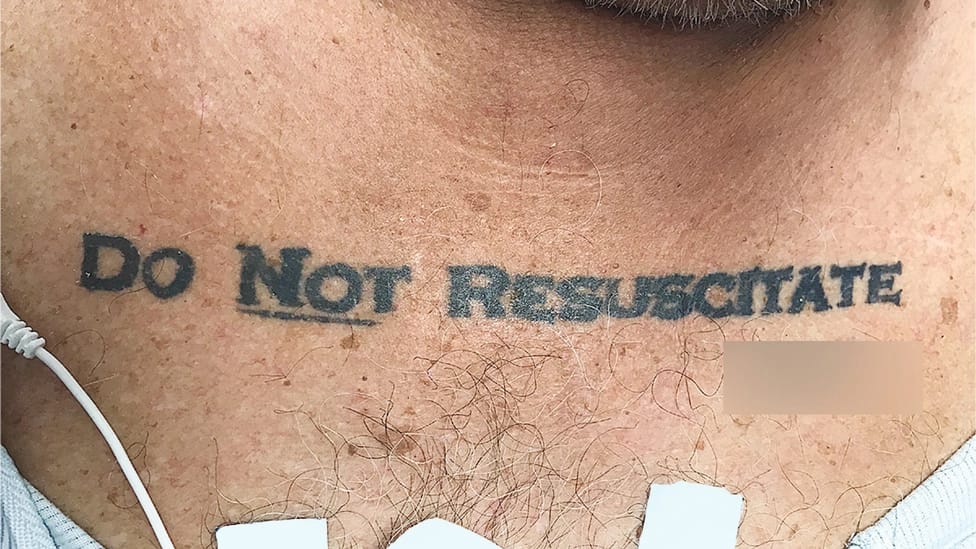
    A DNR is a different document. A DNR says that if your heart stops or you stop breathing, medical professionals should not attempt to revive you. This is very different from a living will, which only goes into effect if you are in a vegetative state. Everyone can benefit from a living will, while DNRs are only for very elderly and/or frail patients for whom it wouldn’t make sense to administer CPR.

    In addition to a living will, you will also need a health care proxy or broader medical directive. In order words, you still need a living will or advanced healthcare directive even if you have a DNR in place.

  • Drafting a Power of Attorney that Lessens the Chances of Abuse

    Drafting a Power of Attorney that Lessens the Chances of Abuse

    A power of attorney is one of the most important estate planning documents you can create, but it is also one that can be misused.  While it isn’t possible to entirely prevent the possibility of abuse, there are steps you can take in drafting the document to greatly reduce the chances.

    A power of attorney allows a person you appoint — your “attorney-in-fact” or “agent” — to act in place of you – the “principal” — for financial purposes when and if you ever become incapacitated. In that case, the person you choose will be able to step in and take care of your financial affairs. Unfortunately, if the agent chooses to exploit the principal, a power of attorney in the wrong hands or with too much power can be very bad news. The following are some ways to draft a power of attorney to prevent someone from taking advantage of you.

    • Trustworthy agent. The most important thing you can do is appoint a trustworthy agent. Think carefully about whom you want acting on your behalf. You need to appoint someone you trust to have your best interests in mind. If you do not have any friends or relatives who are appropriate, you could hire a professional fiduciary. A professional fiduciary can be a bank with trust powers, a certified public accountant, or a trust company. Another option is to have multiple agents, which allows more than one person to share the responsibility and permits them to divvy up tasks. Requiring the co-agents to act together provides checks and balances, but it could become very cumbersome if all of your agents have to sign every check or other document.
    • Second signature. If you don’t want to have co-agents, but you want a check on the agent, one option is to require two signatures for large transactions. The power of attorney document can set rules on what transactions would require an additional person to sign off on them.
    • Backup agent. In addition, to having a trustworthy agent, it is a good idea to have a backup agent in case the first agent becomes incapacitated or no longer wants to serve as agent. If you do name alternates, make sure the document is very clear about when the alternate takes over and what evidence he or she will need to present when using the power of attorney.
    • Third-party accounting. One way to prevent an agent under a power of attorney from exploiting the principal is to require the agent to provide an accounting to a third party. The third party could be a family member or a friend. It doesn’t have to be a formal accounting; it can be a summary of the financial transactions. The power of attorney document can provide the details on what information needs to be provided to whom and how often.
    • Limit powers. The power of attorney can provide detailed instructions on the various powers the attorney-in-fact may carry out. You can make it as broad or as limited as you want. For example, you can allow your agent to pay bills, but not to change your will. One of the most important powers in the power of attorney document is the power to gift. One way to prevent abuse is to strictly define when gifting is allowed and how much the agent can give.
    • Review the choice. Every few years, you should review your choices in case something has changed. Don’t be afraid to revoke the power of attorney if you are no longer happy with your choice of an agent.

    Because of these drafting choices, it is a good idea to have an attorney draft the document for you.  Marsala Law Firm can help you decide how to best protect yourself or a loved one.

    For information about decisions to make when drafting a power of attorney, click here.

  • A Tax Break to Help Working Caregivers Pay for Day Care

    Paying for day care is one of the biggest expenses faced by working adults with young children, a dependent parent, or a child with a disability, but there is a tax credit available to help working caregivers defray the costs of day care (called “adult day care” in the case of the elderly).

    In order to qualify for the tax credit, you must have a dependent who cannot be left alone and who has lived with you for more than half the year. Qualifying dependents may be the following:

    • A child who is under age 13 when the care is provided
    • A spouse who is physically or mentally incapable of self-care 
    • An individual who is physically or mentally incapable of self-care and either is your dependent or could have been your dependent except that his or her income is too high ($4,150 or more) or he or she files a joint return.

    Even though you can no longer receive a deduction for claiming a parent (or child) as a dependent, you can still receive this tax credit if your parent (or other relative) qualifies as a dependent. This means you must provide more than half of their support for the year. Support includes amounts spent to provide food, lodging, clothing, education, medical and dental care, recreation, transportation, and similar necessities. Even if you do not pay more than half your parent’s total support for the year, you may still be able to claim your parent as a dependent if you pay more than 10 percent of your parent’s support for the year, and, with others, collectively contribute to more than half of your parent’s support. 

    The total expenses you can use to calculate the credit is $3,000 for one child or dependent or up to $6,000 for two or more children or dependents. So if you spent $10,000 on care, you can only use $3,000 of it toward the credit. Once you know your work-related day care expenses, to calculate the credit, you need to multiply the expenses by a percentage of between 20 and 35, depending on your income. (A chart giving the percentage rates is in IRS Publication 503.) For example, if you earn $15,000 or less and have the maximum $3,000 eligible for the credit, to figure out your credit you multiply $3,000 by 35 percent. If you earn $43,000 or more, you multiply $3,000 by 20 percent. (A tax credit is directly subtracted from the tax you owe, in contrast to a tax deduction, which decreases your taxable income.)

    The care can be provided in or out of the home, by an individual or by a licensed care center, but the care provider cannot be a spouse, dependent, or the child’s parent. The main purpose of the care must be the dependent’s well-being and protection, and expenses for care should not include amounts you pay for food, lodging, clothing, education, and entertainment. 

    To get the credit, you must report the name, address, and either the care provider’s Social Security number or employer identification number on the tax return. To find out if you are eligible to claim the credit, click here.

    For more information about the credit from the IRS, click here and here
     

  • 10 Reasons to Create an Estate Plan Now

    Many people think that estate plans are for someone else, not them. They may rationalize that they are too young or don’t have enough money to reap the tax benefits of a plan. But as the following list makes clear, estate planning is for everyone, regardless of age or net worth.

    1. Loss of capacity. What if you become incompetent and unable to manage your own affairs? Without a plan the courts will select the person to manage your affairs. With a plan, you pick that person through a power of attorney.

    2. Minor children. Who will raise your children if you die? Without a plan, a court will make that decision. With a plan, you are able to nominate the guardian of your choice.

    3. Dying without a will. Who will inherit your assets? Without a plan, your assets pass to your heirs according to your state’s laws of intestacy (dying without a will). Your family members (and perhaps not the ones you would choose) will receive your assets without benefit of your direction or of trust protection. With a plan, you decide who gets your assets, and when and how they receive them.

    4. Blended families. What if your family is the result of multiple marriages? Without a plan, children from different marriages may not be treated as you would wish. With a plan, you determine what goes to your current spouse and to the children from a prior marriage or marriages.

    5. Children with special needs. Without a plan, a child with special needs risks being disqualified from receiving Medicaid or SSI benefits, and may have to use his or her inheritance to pay for care. With a plan, you can set up a supplemental needs trust that will allow the child to remain eligible for government benefits while using the trust assets to pay for non-covered expenses.

    6. Keeping assets in the family. Would you prefer that your assets stay in your own family? Without a plan, your child’s spouse may wind up with your money if your child passes away prematurely. If your child divorces his or her current spouse, half of your assets could go to the spouse. With a plan, you can set up a trust that ensures that your assets will stay in your family and, for example, pass to your grandchildren.

    7. Financial security. Will your spouse and children be able to survive financially? Without a plan and the income replacement provided by life insurance, your family may be unable to maintain its current living standard. With a plan, life insurance can mean that your family will enjoy financial security.

    8. Retirement accounts. Do you have an IRA or similar retirement account? Without a plan, your designated beneficiary for the retirement account funds may not reflect your current wishes and may result in burdensome tax consequences for your heirs. With a plan, you can choose the optimal beneficiary.

    9. Business ownership. Do you own a business? Without a plan, you don’t name a successor, thus risking that your family could lose control of the business. With a plan, you choose who will own and control the business after you are gone.

    10. Avoiding probate. Without a plan, your estate may be subject to delays and excess fees (depending on the state), and your assets will be a matter of public record. With a plan, you can structure things so that probate can be avoided entirely.

    Contact Marsala Law Firm to discuss your estate plan.

>