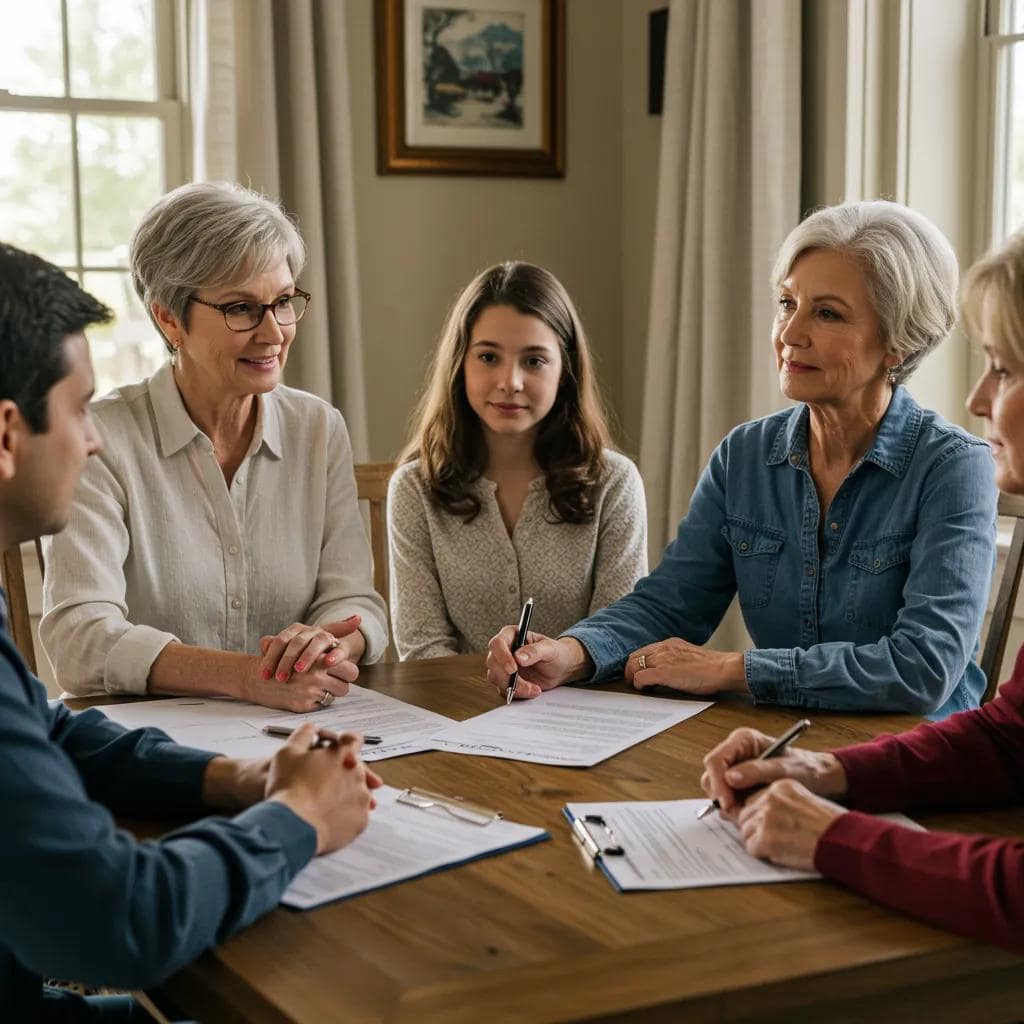
The Complete Guide to Estate Planning in San Jose, California with Expert Attorney Insights
Estate planning is the process of arranging how your assets, healthcare decisions, and personal wishes will be handled if you become incapacitated or pass away, and this guide explains why it matters for San Jose families in 2025. Readers will learn the core instruments—wills, trusts, powers of attorney, and advance healthcare directives—how California law and 2025 updates affect local planning, and practical steps to start organizing documents. San Jose’s high-home-value market, diverse family structures, and increasing digital assets make tailored planning more important than ever; clear estate documents reduce delay, cost, and emotional stress after a loss. This article walks through essential instruments, strategies to avoid probate and minimize taxes, planning for special needs and modern families, and step-by-step next actions to prepare a robust plan. Along the way, we integrate practical reminders about working with a trusted local attorney and the FamilyCares approach used by Marsala Law Firm to support modern families. Read through the sections below to understand what to collect, how tools like a revocable living trust work in Santa Clara County, and how to take the next steps toward protecting your family.
What Is Estate Planning and Why Is It Essential for San Jose Families?
Estate planning is the legal and practical process of directing how your property, healthcare choices, and financial affairs will be managed now and after death, and it operates by combining documents that transfer assets, appoint trusted agents, and specify medical preferences. In San Jose, estate planning matters because residential property values and complex family situations amplify the risks of probate, unintended disinheritance, and delays in access to funds. Effective planning preserves privacy, speeds transfers, and reduces court involvement, which can be particularly costly in Santa Clara County. The next paragraphs outline what a complete estate plan typically includes and the motivations driving San Jose residents to plan in 2025.
What Does Estate Planning Include?
A complete estate plan bundles documents that work together to protect assets, manage incapacity, and name caretakers, creating a cohesive plan that functions across life events. Key components include a will for testamentary wishes, a revocable living trust to avoid probate and manage assets, powers of attorney for financial decisions, and advance healthcare directives for medical choices. Each instrument serves a distinct role: wills direct probate distributions and guardianship, trusts transfer title and privacy, POAs enable third-party management during incapacity, and healthcare directives communicate end-of-life preferences. Understanding these pieces helps San Jose families choose the right combination for their goals and circumstances.
Why Do Over 60% of Americans Lack an Estate Plan?
Many people delay planning because they perceive the process as expensive, emotionally difficult, or only necessary for wealthy individuals, creating a widespread shortfall in documented wishes. Procrastination and misconceptions—such as assuming beneficiary designations or joint ownership are sufficient—lead to unintended outcomes like probate, creditor exposure, or family disputes. Framing planning as a practical, staged process with achievable steps reduces overwhelm and makes progress attainable for busy San Jose households. Recognizing common barriers and taking small, prioritized actions (like naming a POA and drafting a basic will) moves families from uncertainty to protection.
How Does Estate Planning Protect Your Family and Assets in San Jose?
Estate planning protects families by delivering legal authority and instructions that avoid court oversight, enable quick access to funds, and ensure continuity of care for dependents, which is critical when home values or business interests are significant. Instruments like funded living trusts transfer real property and financial accounts to named beneficiaries outside probate, saving time and preserving privacy for heirs. Strategic beneficiary designations and transfer-on-death arrangements further streamline transfers for accounts and vehicles. Taken together, these mechanisms reduce administrative friction and help preserve financial resources for the family’s intended use.
What Are the Key Motivations for Starting Estate Planning in 2025?
In 2025, several legal and life-event triggers are prompting people to act: changes in California probate thresholds, the approaching federal estate-tax sunset timeline, and the growing importance of digital asset planning for cryptocurrency and online accounts. Personal milestones—buying a home in San Jose, becoming a parent, health changes, or receiving an inheritance—also create clear reasons to update or establish plans. Responding promptly to legal updates and personal transitions avoids unintended tax consequences and ensures plans remain effective under current rules. These motivations underscore why a timely review with a qualified attorney is advisable.
What Are the Key Estate Planning Instruments in California?
Estate planning instruments in California include wills, revocable and irrevocable trusts, powers of attorney, and advance healthcare directives; each functions differently to control transfer, manage incapacity, and limit court involvement. A revocable living trust is commonly used in San Jose to hold title to real property and investments, while a pour-over will captures assets unintentionally left out of a trust. Powers of attorney allow trusted agents to manage financial affairs during incapacity, and advance healthcare directives record medical preferences and appoint healthcare agents. The following subsection explains living trusts in practical steps and the EAV comparison table summarizes Will vs Revocable Living Trust vs Irrevocable Trust attributes.
How Do Living Trusts Work in San Jose?
A revocable living trust is a flexible legal entity you create to hold assets during life and transfer them at death without probate, and it works by naming a trustee to manage trust property according to your instructions. The trust document lists successors who step in if you become incapacitated or die, while funding the trust—retitling assets into the trust’s name—is essential to realizing probate-avoidance benefits. Common pitfalls include failing to transfer deeds or retirement accounts properly; addressing titling and beneficiary alignment ensures seamless operation. For San Jose homeowners, moving real estate into a trust and recording appropriate documents with the county recorder helps prevent probate delays for families.
What Is a Will and When Is a Pour-Over Will Needed?
A last will and testament declares how assets that remain in your individual name should be distributed and names guardians for minor children; it becomes effective only through probate unless assets pass by other means. A pour-over will complements a trust by directing any assets not formally transferred into the trust at death to “pour over” into the trust and be handled according to its terms. While trusts handle most probate avoidance, a properly drafted will remains critical to name guardians and handle residual matters. Combining a trust with a pour-over will creates a safety net to capture overlooked property and clarify guardianship.
What Are Powers of Attorney and How Do They Protect You?
Powers of attorney (POA) designate agents to manage financial or legal affairs if you cannot do so yourself and operate immediately upon signing or upon a future incapacity, depending on how they are drafted. Durable financial POAs permit agents to pay bills, manage investments, and operate bank accounts; a separate healthcare POA, often paired with an advance directive, allows a trusted person to make medical decisions. Proper execution under California law and selecting trustworthy agents are key safeguards against misuse and to ensure decisions align with your values. Updating POAs after major life changes keeps authority aligned with your current trusted advisors.
Why Are Advance Healthcare Directives Important in Estate Planning?
Advance healthcare directives—also called living wills—record your medical preferences and name a healthcare agent to speak for you if you cannot communicate, ensuring decisions reflect your values and reduce family conflict. These directives cover choices about life-sustaining treatment, organ donation, and preferred care settings, and they work in concert with a durable power of attorney for healthcare to grant authority to an agent. Clear, legally valid directives facilitate coordination with medical providers and protect your autonomy during serious illness. Couples and families in San Jose benefit from discussing these preferences openly prior to emergencies to prevent ambiguity.
How Do You Choose Guardians for Minor Children in San Jose?
Selecting guardians requires evaluating values, location, stability, and willingness to serve, and memorializing the choice in a will to create legal clarity for minor care. Consider practical factors—proximity to schools, financial readiness, parenting philosophy, and the potential guardian’s relationship with your children—then formally nominate primary and alternate guardians. Including trust provisions to fund a guardian’s care, appointing a trustee, and outlining education and health priorities strengthens the guardianship plan. Communicating your choice to nominated guardians reduces surprises and eases transitions if guardianship ever becomes necessary.
Before reviewing the table below, note that it contrasts core instruments to help you decide which mix suits your situation.
How Does Estate Planning Address Specialized Needs for Diverse San Jose Families?
Estate planning must be tailored to the realities of diverse households—homeowners, new parents, LGBTQ+ couples, blended families, single or divorced individuals, those with special needs, and pet owners—so plans reflect relationship structures and support goals. Custom clauses, trust substructures, and caregiver designations respond to family texture and financial complexity, preventing unintended outcomes. The following subsections give practical recommendations for each audience type and highlight instruments that commonly solve specific problems. After these targeted considerations, a checklist will help families decide immediate next steps.
What Should Homeowners Know About Estate Planning in San Jose?
San Jose homeowners should understand how title, mortgage terms, and transfer-on-death (TOD) options affect estate plans and trust funding, because real property typically comprises a large share of household wealth. Titling a home in the name of a revocable living trust avoids probate for real estate, but mortgage lender requirements and community-property considerations require careful review before transfer. TOD deeds offer a simpler probate-avoidance option for some residences but may not address all assets or creditor concerns. Working through title changes and beneficiary coordination ensures home transfers follow your intentions without unintended encumbrances.
How Do Parents of Young Children Protect Their Family’s Future?
Parents can secure children’s futures by naming guardians, funding trusts for minor care and education, and designating trustees who will budget and disburse funds responsibly on a schedule or milestone basis. A testamentary or living trust for minors can hold assets until children reach ages or conditions you define, protecting inheritance from waste or premature distribution. Life insurance, when coordinated with the estate plan, provides immediate liquidity to pay expenses and fund a trust for continuing care. These measures create financial and caregiving continuity if parents become unable to provide.
What Are the Unique Estate Planning Considerations for LGBTQ+ Families?
LGBTQ+ families should ensure legal recognition of parental rights, explicit beneficiary designations, and relationship-sensitive language in documents to avoid disputes and safeguard non-biological parents. For unmarried partners or those with complex parental histories, additional steps—such as adoption, second-parenting orders, or clear trust provisions—can solidify parental status. Explicit instructions about access, healthcare decision-making, and inheritance prevent ambiguity for chosen family members. Solid legal documentation ensures that modern family structures receive protection equal to traditional models.
How Can Blended Families Create Effective Estate Plans?
Blended families frequently balance the needs of a current spouse and children from prior relationships, and consider approaches such as marital trusts, separate trusts for children, or life estate arrangements to align long-term goals. Clear naming of beneficiaries, trustees, and distribution timing prevents conflicts and preserves intended inheritances across different family branches. Creating separate subtrusts or specifying distributions by percentage gives both current partners and children financial security and predictability. Thoughtful drafting avoids unintended disinheritance or sibling disputes after an estate settlement.
What Estate Planning Options Are Best for Single and Divorced Individuals?
Single and divorced persons should prioritize appointing fiduciaries, updating beneficiaries, and naming agents for financial and medical decisions because they may lack immediate family to act in their stead. Durable powers of attorney, healthcare directives, and successor trustees ensure continuity of decision-making and asset management. Choosing backup agents and documenting preferences reduces the risk of court-appointed conservatorship or contested decisions. Periodic beneficiary and document reviews after relationship changes keep plans aligned with current relationships.
How Do Special Needs Trusts Support Disabled Family Members?
Special needs trusts (SNTs) preserve eligibility for public benefits while providing supplemental care and quality-of-life funding for disabled beneficiaries, and they come in first-party and third-party forms with distinct funding and repayment rules. Third-party SNTs are funded with caregiver assets to supplement benefits without jeopardizing eligibility; first-party SNTs use the beneficiary’s assets and often include payback provisions for government recovery. Properly drafted SNTs coordinate with public benefit rules and define permitted uses such as therapy, education, and non-covered medical needs. Working with counsel ensures trust terms align with benefit programs and long-term care goals.
What Is a Pet Trust and Why Is It Important in San Jose?
A pet trust names caretakers, provides funding, and sets instructions for the ongoing care of companion animals, ensuring pets receive lifetime care according to your wishes. Typical provisions name a primary caregiver, an alternate, outline medical and day-to-day care instructions, and designate funds or a trustee to pay for expenses. Pet trusts create enforceable obligations to care for animals and avoid informal arrangements that can break down after an owner’s death. For many San Jose households, including pets in planning provides peace of mind and continuity of care.
Before reviewing transfer options, consider this quick comparison of probate-avoidance strategies for practical decision-making in San Jose.
How Can You Avoid Probate and Minimize Taxes in San Jose’s 2025 Legal Landscape?
Avoiding probate and minimizing taxes rely on strategic use of trusts, transfer-on-death deeds, beneficiary designations, and timely tax-aware planning that accounts for 2025 thresholds and upcoming federal changes. Probate in California is a court-supervised process that can be time-consuming and costly; mechanisms to bypass probate speed transfer and preserve privacy. Tax planning for higher-net-worth individuals should incorporate the current 2025 federal exemption and consider timing for anticipated 2026 changes. Below we summarize probate steps and compare practical probate-avoidance tools for typical San Jose scenarios.
What Is the California Probate Process and Its Costs?
California probate involves filing petitions, validating wills, inventorying assets, paying creditors, and distributing property under court supervision, a sequence that generally takes several months to over a year depending on estate complexity. Costs include court fees, executor or administrator compensation, attorney fees, and accounting, which together can erode estate value and delay access for family members. Smaller estates may qualify for simplified procedures that shorten timelines and reduce fees, but qualifying thresholds and procedures must be followed precisely. Knowing the probate roadmap helps families decide whether probate avoidance tools are worthwhile to preserve assets and expedite transfers.
How Do Living Trusts and TOD Deeds Help Avoid Probate?
A funded revocable living trust transfers title to assets during life so that at death successors can step in without court administration, while transfer-on-death (TOD) deeds allow certain California property to pass directly to named beneficiaries upon death. Trusts provide broader coverage for multiple asset types and continuity during incapacity, whereas TOD deeds are a targeted, lower-cost option for some residences and can be recorded without forming a trust. Each tool has limits—retirement accounts and certain jointly owned assets require beneficiary designation review—so coordination across instruments is essential. Choosing the right mix depends on asset types, family goals, and the desire for privacy versus administrative simplicity.
What Are the 2025 Updates to California’s Probate Thresholds?
Recent 2025 adjustments to small estate thresholds and simplified residence-transfer procedures affect which estates qualify for streamlined transfers and reduced court oversight, shaping whether probate can be avoided through statutory procedures. These thresholds change who can use small estate affidavits or expedited transfer forms and therefore influence whether a living trust is necessary for smaller estates. Homeowners and executors should check current numeric thresholds when planning or settling estates because modest differences in estate value may change the recommended strategy. Consulting counsel ensures you apply the correct procedure for Santa Clara County filings.
How Will the 2025 Federal Estate Tax Exemption Changes Affect You?
The 2025 federal estate tax rules set an exemption level that affects high-net-worth planning, and with scheduled legislative sunsets or adjustments in 2026, individuals with sizable estates should evaluate strategies such as lifetime gifting, irrevocable trusts, or other tax-aware moves to preserve exemption value. Reviewing current exemption figures and potential future reductions helps high-net-worth individuals decide whether to accelerate planning steps now. For many San Jose families below exemption thresholds, basic avoidance of probate and clear beneficiary designations remain the priority. Engaging both estate and tax advisors ensures alignment of trust structures with evolving federal law.
What Is Medi-Cal Recovery and How Does Asset Protection Work?
Medi-Cal recovery permits state recovery actions against probate estates for long-term care costs paid by the program, and careful planning—considering timing, irrevocable strategies, and eligibility rules—can reduce exposure while maintaining benefit access. Asset protection often involves irrevocable trusts, transfer timing, and Medicaid-compliant annuities, all of which require early planning and expert legal advice to avoid penalties. Because Medi-Cal rules are complex and timing-sensitive, families should seek tailored guidance to balance care funding, government benefit eligibility, and legacy goals. Thoughtful strategies aim to protect family assets without jeopardizing necessary long-term care coverage.
Why Choose Marsala Law Firm for Your San Jose Estate Planning Needs?
Marsala Law Firm, A Professional Corporation positions itself as a heart-centered, trusted advisor focused on meaningful, family-centered estate planning for modern households in San Jose, and the firm emphasizes transparent pricing and its FamilyCares Program as practical client supports. The firm offers core services aligned with common planning needs—living trusts, will drafting, incapacity planning (power of attorney, kids protection plan), special needs planning, pet trusts, and trust administration services—presented with a consultative approach that prioritizes client values. Clients benefit from clear explanations, practical checklists, and a focus on preserving family harmony while addressing legal details. After reviewing how Marsala Law Firm approaches planning, the next paragraph explains how to schedule a consultation and what to expect.
What Makes Jeannette Marsala a Heart-Centered Estate Planning Attorney?
Jeannette Marsala’s approach centers on combining legal rigor with empathy to help families plan for financial and personal continuity, emphasizing clear communication and respect for client goals. She positions herself as a trusted advisor who guides clients through emotionally fraught decisions with practical, achievable steps and supportive processes. This client-focused style helps families understand tradeoffs, choose instruments that match values, and feel equipped to take action. Working with an attorney who balances technical precision with heart-centered support reduces anxiety and increases plan durability.
How Does the Holistic FamilyCares Program Support Your Planning?
The FamilyCares Program bundles planning touches—practical checklists, coordinated documents, and family-focused discussions—to help clients move from uncertainty to a cohesive plan designed around household needs. The program’s structure aims to align estate documents with caregiving priorities, education funding goals, and incapacity planning, creating a single roadmap for family continuity. By integrating these elements, clients gain clarity about next steps and feel confident the plan supports long-term wellbeing. Families appreciate a holistic process that translates legal documents into usable, everyday guidance.
What Are Transparent Pricing and What to Expect During Your Consultation?
Marsala Law Firm emphasizes transparent pricing practices and an initial consultative meeting that clarifies objectives, inventory of assets, and recommended next steps without surprise fees, using a structured process to outline timelines and deliverables. During the first consultation, expect discussion of family goals, an asset review, and a recommended document set tailored to your situation. The firm explains the steps to drafting, funding, and executing documents so clients know what to expect at each stage. Transparent communication about scope and process helps clients plan both financially and practically.
How Have San Jose Families Benefited from Marsala Law Firm’s Services?
San Jose families working with Marsala Law Firm commonly report outcomes such as avoided probate delays, clearer succession for family assets, and reduced stress around incapacity planning through coordinated instruments and caregiver naming. The firm’s family-centered approach focuses on creating plans that reduce conflict and preserve privacy, while practical measures like trust funding checklists streamline administration when it matters. These outcome themes reflect the firm’s priority of protecting both financial resources and family relationships. For readers considering a professional partner, the following section explains documents to gather and how to begin.
What Are the Most Common Estate Planning Questions in San Jose?
San Jose families often ask practical, urgent questions about trusts, guardianship, incapacity planning, and taxes; concise direct answers help people address immediate risks and prioritize next steps. Below are short, scannable answers to the most frequently asked questions, designed for quick reference and to point readers toward deeper planning actions where needed. Each response provides actionable guidance suitable for inclusion in FAQ schema and people-also-ask features. After this section, the final H2 shows how to gather documents and schedule a consultation.
What Happens to My Assets If I Don’t Have a Trust?
If you do not have a trust, assets titled solely in your name typically pass through probate according to California intestacy rules if there is no valid will, which can cause delays and court costs. Intestacy can result in distributions that differ from your expectations, especially in blended or nontraditional family situations. Immediate actions include reviewing beneficiary designations, updating accounts, and consulting counsel to determine whether a trust or other tool suits your goals. Creating even basic documents reduces uncertainty and protects heirs from unnecessary legal processes.
How Do I Choose the Right Trustee for My Estate?
Choosing a trustee depends on trustworthiness, financial acumen, impartiality, and willingness to serve; family members, professional fiduciaries, or co-trustee arrangements each have pros and cons. Family trustees may know your wishes but may lack administrative expertise; professional trustees offer experience but incur fees. Consider naming successor trustees and specifying compensation and reporting requirements to balance accountability and cost. Clear trustee selection and instructions reduce disputes and align administration with your objectives.
Do I Need an Advance Healthcare Directive or Durable Power of Attorney?
Both documents are essential: an advance healthcare directive records medical treatment preferences and names a healthcare agent, while a durable financial power of attorney designates someone to manage finances during incapacity. Together they create a comprehensive incapacity plan that prevents court-appointed conservatorship and ensures trusted people can act on your behalf. Prioritize executing both documents early and review them after major life events. These documents provide immediate legal authority to protect health and financial interests.
How Do I Set Up a Trust in San Jose?
Setting up a trust involves deciding goals, drafting a trust document that names trustees and beneficiaries, funding assets into the trust, and executing formalities required by California law; funding is often the most overlooked step. Funding includes changing titles on real property, updating account ownership where appropriate, and aligning beneficiary designations with the trust’s intent. Timelines range from a few weeks for straightforward trusts to longer for complex asset retitling; avoiding common funding mistakes ensures the trust functions as intended. Working with counsel helps ensure the trust is properly funded and administered.
How Do I Choose a Guardian for My Minor Children?
Choose guardians based on values alignment, willingness to serve, proximity, and practical readiness to care for children; naming alternates provides redundancy. Put nominations in a will and, when appropriate, discuss the decision with the chosen guardians to ensure acceptance and clarity. Consider funding mechanisms to support the guardian and update nominations after significant life changes. Clear documentation prevents disputes and makes transitions smoother for children.
What Is Long-Term Care Planning and How Do I Prepare?
Long-term care planning assesses potential future care needs, funding options such as long-term care insurance or Medi-Cal planning, and integration with estate documents to preserve assets while ensuring care access. Early planning lets families consider asset-protection strategies, timing of transfers, and eligibility rules for public benefits. Create a timeline for decisions and coordinate with both legal and financial advisors to balance care funding and legacy goals. Proactive planning reduces the stress of funding care during health crises.
How Can I Minimize Estate Taxes in San Jose?
Minimizing estate taxes involves strategies such as lifetime gifting, establishing certain irrevocable trusts, and coordinating with tax advisors to leverage current federal exemptions while anticipating future changes. For most middle-income families, avoiding probate and ensuring beneficiary designations are current are higher priorities than complex tax strategies. High-net-worth individuals should consult an estate and tax attorney to evaluate advanced techniques and timing. Early review helps preserve exemption value and align planning with long-term objectives.
How to Get Started with Estate Planning in San Jose in 2025?
Begin estate planning by gathering key documents, clarifying priorities, and scheduling a focused consultation to translate goals into enforceable instruments; early action reduces risk and simplifies administration later. This H2 concludes with a practical checklist table and guidance on scheduling a consultation without delay. The final paragraphs explain immediate benefits of starting now and provide concise next steps for San Jose families preparing documents.
What Documents and Information Do You Need to Begin?
Gathering organized information before a meeting accelerates planning and keeps costs predictable; essential items include asset lists, recent account statements, deeds, insurance policies, and family information such as birthdates and relationships. Having a clear list of beneficiaries and existing beneficiary designations helps identify conflicts and necessary updates. The table below presents a concise EAV-style checklist to guide preparation for a first meeting.
How to Schedule a Consultation with Marsala Law Firm?
To begin, use the firm’s website or their Google Business Profile listing to request an appointment, prepare the documents noted above, and expect an initial conversation focused on goals, asset overview, and recommended next steps. During the first consultation, the attorney and client will review priorities, assess whether a living trust or other instruments fit best, and outline a clear timeline for drafting and execution. Bring copies of key documents and a list of questions to make the meeting efficient and productive. This process ensures the firm can recommend a tailored plan that aligns with your family’s needs.
What Are the Benefits of Early Estate Planning?
Starting early preserves control, reduces costs, and gives families time to update plans as circumstances change, thereby protecting assets, clarifying caregiving roles, and minimizing court involvement. Early planning also allows tax- and benefits-aware strategies to be implemented when they are most effective, and provides peace of mind that your wishes are documented. Taking incremental steps—naming POAs and healthcare directives first, then moving to trusts and funding—makes the process manageable. Acting now helps ensure legal and personal intentions are preserved for the future.
Frequently Asked Questions
What Are the Consequences of Not Having an Estate Plan?
Not having an estate plan can lead to significant complications for your loved ones. Without a will or trust, your assets may be distributed according to California’s intestacy laws, which may not align with your wishes. This can result in delays, increased costs, and potential family disputes. Additionally, without designated guardians for minor children, the court may appoint someone you wouldn’t have chosen. Establishing an estate plan ensures your preferences are honored and provides clarity for your family during difficult times.
How Often Should I Review My Estate Plan?
It is advisable to review your estate plan at least every three to five years or after significant life events, such as marriage, divorce, the birth of a child, or the death of a beneficiary. Changes in laws, financial circumstances, or personal relationships can impact your estate plan’s effectiveness. Regular reviews ensure that your documents reflect your current wishes and that your estate plan remains compliant with any legal updates. Consulting with an estate planning attorney during these reviews can provide valuable insights.
Can I Change My Estate Plan After It’s Created?
Yes, you can change your estate plan after it has been created. Estate planning documents, such as wills and trusts, can be amended or revoked as your circumstances or wishes change. For example, you may want to update your beneficiaries, change guardians for minor children, or adjust asset distributions. It’s important to follow legal procedures for making changes to ensure they are valid and enforceable. Consulting with an attorney can help you navigate the amendment process effectively.
What Is the Role of an Executor in Estate Planning?
The executor is responsible for managing the estate after your death, ensuring that your wishes are carried out as outlined in your will. Their duties include gathering assets, paying debts and taxes, and distributing the remaining assets to beneficiaries. Choosing a trustworthy and organized executor is crucial, as they will handle potentially complex legal and financial matters during a difficult time for your family. Executors can be family members, friends, or professionals, depending on your preferences and the estate’s complexity.
How Can I Ensure My Digital Assets Are Included in My Estate Plan?
To include digital assets in your estate plan, start by creating a comprehensive list of all your online accounts, including social media, email, and financial accounts. Specify how you want these assets managed or transferred after your death. You can include instructions in your will or trust, and consider appointing a digital executor to handle these assets. Additionally, ensure that your loved ones have access to necessary passwords and account information, which can be stored securely in a password manager or a physical document.
What Are the Benefits of Working with an Estate Planning Attorney?
Working with an estate planning attorney provides several benefits, including expert guidance tailored to your unique situation. An attorney can help you navigate complex legal requirements, ensure your documents are valid and enforceable, and provide insights into tax implications and asset protection strategies. They can also assist in creating a comprehensive plan that addresses your specific needs, such as guardianship for children or special needs planning. Ultimately, an attorney helps you avoid common pitfalls and ensures your wishes are clearly articulated and legally binding.
What Should I Do If My Family Situation Changes?
If your family situation changes—such as through marriage, divorce, the birth of a child, or the death of a beneficiary—it’s essential to update your estate plan accordingly. Changes in family dynamics can significantly impact your wishes regarding asset distribution and guardianship. Schedule a review with your estate planning attorney to discuss necessary amendments to your documents. Keeping your estate plan current ensures that it reflects your current intentions and protects your loved ones in accordance with your wishes.
Conclusio
Effective estate planning in San Jose empowers families to protect their assets, ensure their wishes are honored, and provide for their loved ones with clarity and confidence. By understanding the essential instruments and strategies available, families can navigate the complexities of modern estate planning tailored to their unique needs. Taking proactive steps today, such as consulting with a trusted attorney, can significantly reduce future stress and uncertainty. Start your estate planning journey with us to secure your family’s future and peace of mind.